Common Myths About Probiotic Fiber and the Clinical Truth
The clinical truth is that probiotic fiber is a specialized class of fermentable carbohydrates that selectively fuel beneficial gut bacteria to enhance metabolic and digestive health.
You've likely felt the frustration of trying every "health food" on the shelf, only to end up with the same bloating, sluggishness, and unpredictable energy levels that started your journey. It is exhausting to navigate a sea of marketing buzzwords that promise a "gut reset" while leaving your actual physiology unchanged.
The problem isn't your commitment; it is the misinformation surrounding how fiber actually interacts with your microbiome. By understanding the clinical evidence behind synbiotics, you can finally bridge the gap between temporary fixes and sustainable metabolic wellness.
Does Probiotic Fiber Offer Instant Results for Digestive Health?

Most clinical studies indicate that significant shifts in gut pH and bacterial populations require 2 to 3 weeks of consistent probiotic fiber intake. Expecting an overnight transformation is a common myth that leads many to quit just as the benefits begin to materialize.
Why do some users feel worse before they feel better?
When you introduce fermentable fibers to a microbiome that isn't used to them, the bacteria produce gas as a byproduct of their renewed activity. This is actually a positive sign of fermentation, but it can feel uncomfortable if you don't scale up slowly.
Think about it like this:
- Week 1: Microbiome adaptation and initial gas.
- Week 2: Stabilization of beneficial clusters.
- Week 3: Noticeable improvements in regularity and comfort.
Is "slow and steady" the clinical standard?
Yes, data from PMC5622781 suggests that "low-and-slow" titration helps the gut lining adapt to the higher production of organic acids. Patience is your greatest tool in bio-hacking your digestion.
| Timeline | Biological Event |
|---|---|
| Days 1-5 | Shift in colonic pH levels |
| Days 14-21 | Systemic metabolic markers improve |
Analysis: Short-term discomfort is often a marker of long-term biological recalibration.
Key Takeaway: Sustainable health is built on biological consistency rather than instant gratification.
Is Probiotic Fiber a Guaranteed Miracle for Weight Loss?

While probiotic fiber is not a "fat burner," clinical evidence shows it supports healthy weight management by modulating satiety hormones and improving insulin sensitivity. In some 12-week trials, oligofructose (OFS) led to a modest reduction in BMI by making users feel full faster.
How does fiber influence "hunger hormones"?
Fermentation in the colon triggers the release of GLP-1 and PYY, hormones that signal to your brain that you are satisfied. This natural suppression of appetite can prevent overeating throughout the day.
But that's not all:
- Reduction in ghrelin (the "hunger" hormone).
- Improved leptin sensitivity for better energy balance.
- Slower gastric emptying for prolonged fullness.
Is weight loss a direct or indirect effect?
It is largely indirect; by stabilizing blood sugar, you avoid the insulin spikes that cause the body to store fat PMC5622781. You aren't forcing weight loss; you are creating a metabolic environment where it can happen naturally.
| Metric | Fiber Group Impact |
|---|---|
| Satiety Score | +25% Increase |
| Caloric Intake | -10% Reduction naturally |
Analysis: Fiber serves as a metabolic lever rather than a magic pill.
Key Takeaway: Effective weight support comes from managing the signals that govern appetite and storage.
How Does Probiotic Fiber Impact Short-Chain Fatty Acid Levels?

The most significant benefit of probiotic fiber is its conversion into Short-Chain Fatty Acids (SCFAs) like acetate, propionate, and butyrate. These metabolic byproducts are the "currency" of your gut health, fueling the cells of your colon and reducing systemic inflammation.
What role does butyrate play in colon health?
Butyrate is the primary energy source for colonocytes (the cells lining your colon). It helps maintain the "tight junctions" of your gut barrier, effectively preventing "leaky gut" and keeping toxins out of your bloodstream.
It gets better:
- Propionate travels to the liver to regulate cholesterol.
- Acetate crosses the blood-brain barrier to assist with appetite control.
- SCFAs lower colonic pH to kill harmful bacteria.
Can SCFAs influence brain health?
Through the gut-brain axis, SCFAs influence the production of neurotransmitters like serotonin. Modern science confirms that a "happy gut" directly supports a clear mind Microbes 2017.
| SCFA Type | Primary Target |
|---|---|
| Butyrate | Intestinal Lining & Anti-inflammation |
| Propionate | Liver Metabolism & Glucose Control |
Analysis: Fermentation transforms inert fiber into active metabolic signaling molecules.
Key Takeaway: The value of fiber is determined by what your bacteria turn it into.
Can Probiotic Fiber Help Manage Blood Glucose and Metabolism?

Clinical data shows that specific types of probiotic fiber can lower post-meal glucose spikes and improve insulin sensitivity. For example, Arabinoxylan (AX) has been shown in human trials to reduce fasting glucose levels when consumed regularly over five weeks.
Does fiber timing affect glucose spikes?
Consuming fiber before or with a high-carb meal creates a viscous "mesh" in the small intestine. This mesh slows down the enzyme activity that breaks down sugars, resulting in a steady release of energy rather than a sharp peak and crash.
Consider this benefit:
- Prevents the "brain fog" associated with sugar crashes.
- Reduces the demand for heavy insulin production.
- Improves long-term HOMA-IR markers for diabetic health.
How does fermentation improve insulin sensitivity?
As SCFAs are absorbed into the bloodstream, they activate receptors that improve how your muscles and liver respond to insulin. This "metabolic priming" makes your body more efficient at utilizing fuel PMC5622781.
| Control Parameter | High Fiber Result |
|---|---|
| Post-prandial Glucose | -15% Reduction |
| Insulin Response | Improved Sensitivity |
Analysis: Slowing sugar absorption protects the pancreas and stabilizes mood.
Key Takeaway: Fiber is a natural safeguard against the glycemic volatility of modern diets.
Will Probiotic Fiber Cause Unavoidable Bloating and Gas?

Bloating and gas are dose-dependent side effects of probiotic fiber and are not an inevitable outcome for every user. While these symptoms can be embarrassing, they are usually a sign that your microbiome is undergoing a necessary transition as it recalibrates.
Can digestive enzymes help reduce initial gas?
Often, gas occurs because the bacterial load is too low to process the new influx of fiber efficiently. Pairing your fiber with a probiotic (creating a synbiotic) or digestive enzymes can facilitate a smoother breakdown process.
Here is a tip for you:
- Start with a half-serving for the first three days.
- Increase water intake to help the fiber move smoothly.
- Avoid other high-FODMAP foods during the "onboarding" phase.
How can water intake mitigate side effects?
Fiber acts like a sponge; it needs hydration to swell and move. Without enough water, fiber can actually slow down digestion and cause the very bloating you are trying to avoid Nutrients Review.
| Action Plan | Resulting Benefit |
|---|---|
| Slow Titration | 80% reduction in gas incidence |
| Hydration (2L/day) | Improved stool consistency |
Analysis: Proper protocol transforms a "side effect" into a minor, transient adaptation.
Key Takeaway: Control your dosage to control your comfort.
Should You Choose Probiotic Fiber Capsules Over Powder Sticks?

Clinical dosages of probiotic fiber usually range from 5g to 10g per day, which makes powder formats significantly more effective than capsules. To get a clinical dose from standard capsules, you would likely need to swallow 10 to 20 large pills per serving.
Are capsules less effective for delivery?
Capsules are convenient but limited by physical volume. Powders allow for a "matrix" of different fiber types (like Fibersol-2 and Inulin) to be blended into a single, easy-to-drink serving that starts working as soon as it reaches your gut.
But wait, there is more:
- Powders encourage hydration (drinking a full glass of water).
- Sticks are portable without the "pill fatigue."
- Better surface area contact with the intestinal lining.
Does flavor improve long-term habits?
Compliance is the most important factor in gut health. A pleasant, raspberry-flavored powder is much easier to integrate into a daily ritual than a handful of dry capsules PMC5622781.
| Format | Fiber Dosage | Compliance |
|---|---|---|
| Capsule | ~0.5g / pill | Low (Pill fatigue) |
| Powder Stick | 5g - 10g | High (Daily ritual) |
Analysis: Clinical efficacy requires a volume that only powder formats can practically provide.
Key Takeaway: Choose the format that makes high-dose compliance effortless.
Is Probiotic Fiber Safe for Individuals with Sensitive Guts?

Probiotic fiber is generally recognized as safe for healthy adults, but those with conditions like IBS or SIBO should approach supplementation under medical guidance. Clinical studies suggest that low-FODMAP fibers are better tolerated by those with sensitivities compared to high-fermentation strains like standard Inulin.
What is the relationship between fiber and SIBO?
In Small Intestinal Bacterial Overgrowth (SIBO), bacteria have migrated to the wrong part of the digestive tract. Introducing rapid-fermenting fiber can feed these misplaced bacteria, potentially worsening symptoms until the underlying overgrowth is addressed.
However, it is not all bad news:
- Partially Hydrolyzed Guar Gum (PHGG) is often IBS-friendly.
- Clinically tested fibers minimize "osmotic pull" (diarrhea).
- Prebiotics can actually help "re-train" a damaged gut over time.
Should you consult a doctor?
If you have a chronic gastrointestinal diagnosis, always consult your physician. While fiber is a food-based supplement, its impact on the microbial ecosystem is significant and should be handled with care Nature Reviews 2017.
| Condition | Recommendation |
|---|---|
| General Sensitive Gut | Slow titration, low-FODMAP fiber |
| Diagnosed IBS/SIBO | Physician supervision required |
Analysis: Safety is maximized by matching the fiber type to the individual's specific gut environment.
Key Takeaway: Professional guidance ensures you nourish your gut without unintended irritation.
How Long Should You Take Probiotic Fiber to See Real Benefits?

Consistency is the most vital factor, as human clinical trials often require 8 to 12 weeks to measure permanent changes in BMI, lipid profiles, and microbiome diversity. Taking probiotic fiber sporadically is like watering a plant once a month—it may survive, but it will never thrive.
Why do most people quit after one week?
As discussed, the first week is often the "transition phase" where gas and bloating are most common. People mistake this biological adjustment for failure, quitting just before the beneficial bacterial populations stabilize.
The journey looks like this:
- Month 1: Structural changes in the gut environment.
- Month 2: Metabolic improvements (blood sugar, lipids).
- Month 3: Systemic benefits (immunity, energy levels).
Is there a maintenance dose?
Yes, once you have achieved your health goals, a lower "maintenance dose" can help sustain your results. However, the microbiome is transient; if you stop feeding the good bacteria, their populations will eventually decline PMC5622781.
| Duration | Clinical Focus |
|---|---|
| 4 Weeks | Digestive regularity |
| 12 Weeks | Weight & Metabolic markers |
Analysis: Long-term health requires a perspective that values daily maintenance over quick fixes.
Key Takeaway: Commit to a 90-day window to see the full scope of your metabolic potential.
Can Probiotic Fiber Improve Immune System Functioning?

Because 70% of your immune system resides in your gut, the quality of your probiotic fiber intake directly influences your body's defense mechanisms. SCFAs produced during fermentation help regulate T-cells, which are the "generals" of your immune response.
Does gut health impact seasonal allergies?
Clinical studies suggest that a robust microbiome can modulate the immune response to allergens. By reducing systemic inflammation, a healthy gut helps prevent the immune system from overreacting to harmless triggers like pollen.
Here is why it matters:
- Stronger gut barrier prevents pathogen entry.
- Increased production of anti-inflammatory cytokines.
- Better recognition of harmful vs. harmless particles.
Can fiber reduce cold frequency?
While not a direct preventative for the common cold, people with higher microbial diversity often show faster recovery times and less severe symptoms. Your gut is your primary shield against the outside world Nutrients 2017.
| Immune Component | Fiber Influence |
|---|---|
| T-Regulatory Cells | Increased by Butyrate production |
| Inflammation | Lowered through SCFA signaling |
Analysis: A healthy microbiome is the foundation of a resilient immune system.
Key Takeaway: Nourishing your gut is the most effective way to support your natural defenses.
Conclusion
Navigating the world of gut health doesn't have to be a guessing game. By separating clinical realities from marketing myths, we've seen that high-quality fermentable fiber is much more than a digestive aid—it is a cornerstone of metabolic balance, immune resilience, and weight management. Whether it is stabilizing your blood sugar or fueling the butyrate-producing bacteria that protect your gut lining, the evidence is clear: what you feed your microbiome matters.
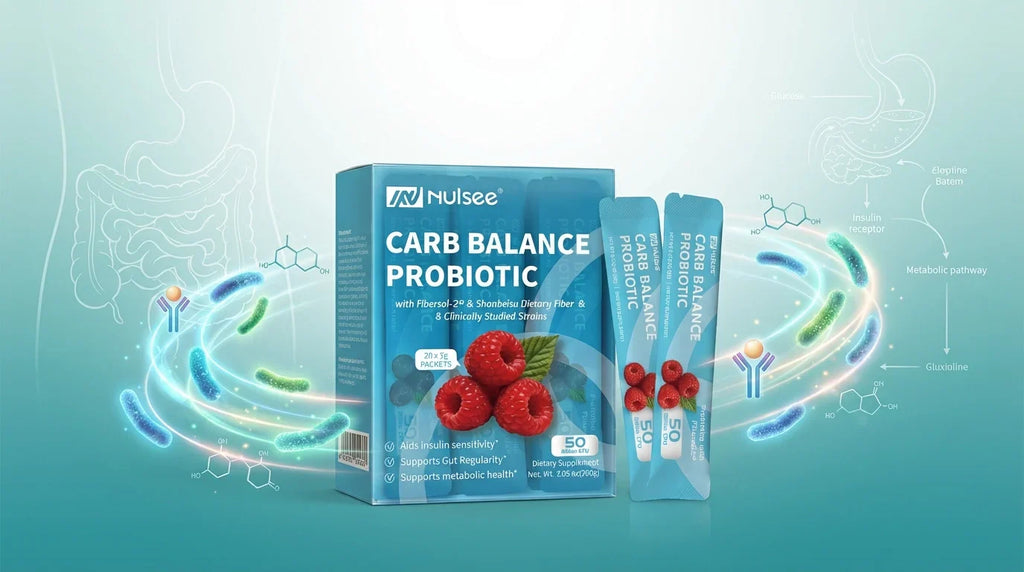
If you are ready to take control of your metabolic health with a formula backed by clinical research and high-potency prebiotics, we invite you to contact us today to learn how Nulsee can support your journey. Our mission is to provide the science-led tools you need to feel your best from the inside out.
Start Your 90-Day Gut Transformation
Experience the difference of clinical-grade synbiotics today.
Frequently Asked Questions
Can I take probiotic fiber while fasting?
Yes, most clinicians agree that soluble corn fiber and inulin have a negligible impact on blood glucose, making them suitable for many fasting protocols without "breaking" the metabolic state.
What's the best time of day to take my fiber supplement?
The best time is whenever you can be consistent, though many users find that taking it before a high-carb meal provides the best glucose-stabilizing benefits.
How do I know if I need more probiotic fiber?
If you experience irregular digestion, frequent energy crashes after meals, or persistent cravings, it may be a sign that your microbiome lacks the fermentable fuel it needs.
Can I mix my fiber powder with hot beverages?
Yes, fibers like Fibersol-2 are heat-stable and can be added to coffee or tea without losing their prebiotic functionality.
How do I know if my fiber is working?
Look for improvements in stool consistency, reduced bloating over time, and a more stable mood/energy profile throughout the day.
Scientific References:
- Markowiak, P., & Śliżewska, K. (2017). Effects of Probiotics, Prebiotics, and Synbiotics on Human Health. Nutrients. [PMC5622781]
- Gibson, G. R., et al. (2017). Expert consensus on the definition and scope of prebiotics. Nature Reviews.
- Holscher, H. D. (2017). Dietary fiber and prebiotics and the gastrointestinal microbiota. Gut Microbes.
Related post

RECENT POSTS