From Clinical Synbiotic Trials to Your Daily Probiotic Fiber
You reach for your morning coffee, still feeling yesterday's bloating. Your energy crashes by 2 PM. Sound familiar? Millions struggle with these daily discomforts while clinical laboratories across three continents prove synbiotic interventions reduce inflammatory markers by over 50% and restore metabolic balance. The gap between rigorous science and your routine shouldn't feel this wide. What if clinical-grade probiotic fiber could bridge laboratory breakthroughs to your morning ritual?
Recent 2024-2025 research demonstrates synbiotic formulations combining prebiotic fibers with specific probiotic strains deliver measurable improvements in body composition, inflammatory biomarkers, and digestive function. A multicenter randomized controlled trial involving 104 obese adults showed a probiotic-fiber blend reduced body weight by 12.01%, MetS-Z scores by 54.02%, and perceived stress by 37.62% over 90 days. These aren't marginal gains; they're clinically significant transformations achieved through precisely engineered microbial-fiber synergy. Understanding how laboratory protocols translate into everyday wellness empowers you to make evidence-based choices for lasting gut health.
What Makes Clinical Synbiotic Trials Different from General Probiotic Research?

Clinical synbiotic trials evaluate the combined effects of live beneficial bacteria (probiotics) and their preferred food sources (prebiotic fibers) through randomized, placebo-controlled designs that isolate synbiotic impact from lifestyle variables. Unlike standalone probiotic studies, synbiotic research examines how fiber substrates enhance bacterial colonization, metabolic output, and systemic health markers across diverse populations.
The Synbiotic Advantage Over Probiotics Alone
Traditional probiotic supplementation often fails to modulate gut microbiota composition in healthy adults. A 2025 systematic review analyzing 27 studies with 1,319 participants found synbiotics significantly increased Lactobacillus cell counts and propionate concentrations compared to controls, while probiotic-only interventions showed limited microbiota shifts.
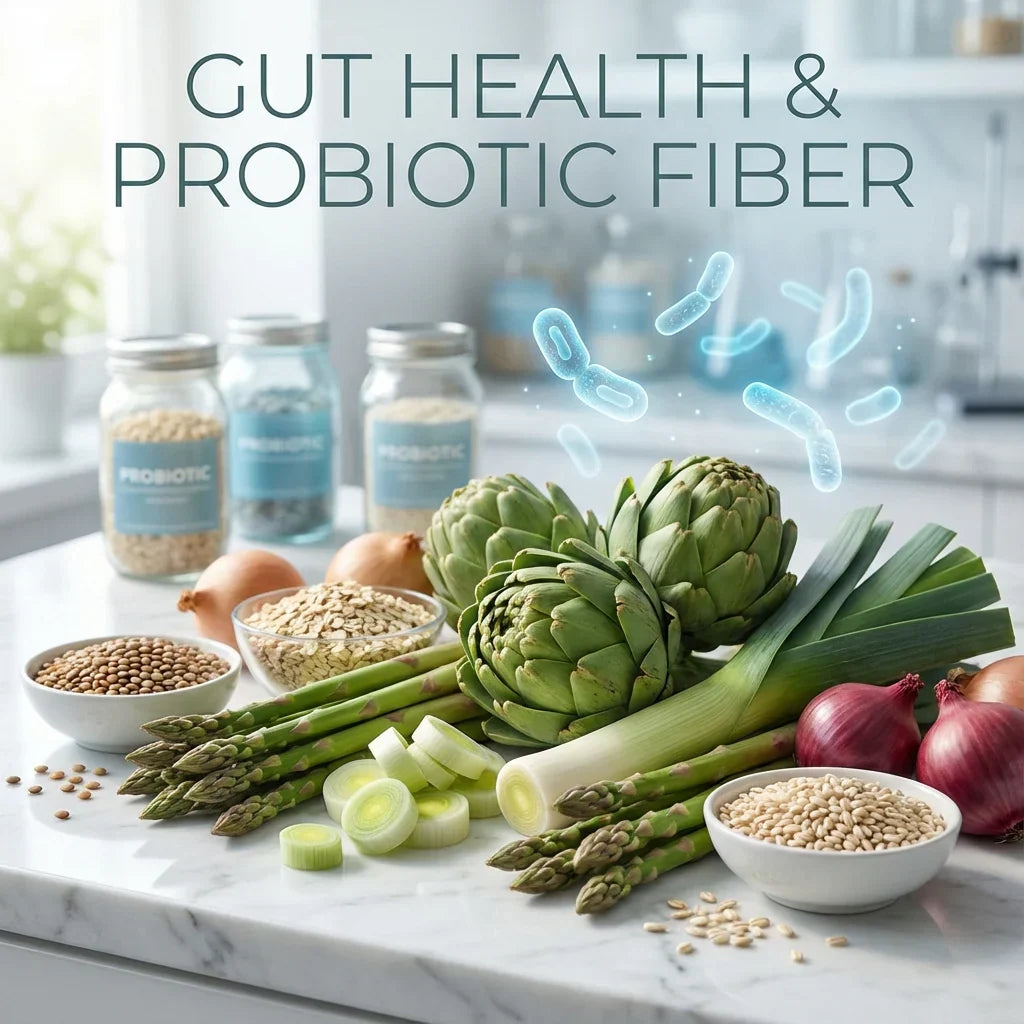
The critical difference lies in substrate availability. Prebiotic fibers like soluble corn fiber, inulin, and galacto-oligosaccharides provide selective fuel that:
- Enhances probiotic survival through gastric transit
- Supports bacterial metabolic activity in the colon
- Generates short-chain fatty acids (SCFAs) that regulate inflammation
- Creates an ecological niche favoring beneficial species
Bucket Brigade: Here's where the science gets practical:
A randomized trial comparing synbiotic versus prebiotic interventions in 5,207 participants showed synbiotics surpassed prebiotics in reducing C-reactive protein (SMD = −0.51 vs −0.81), TNF-α (SMD = −0.70 vs −0.57), and IL-6 (SMD = −2.02 vs −0.41) in adults, though both improved inflammatory profiles significantly. This suggests pairing probiotics with fiber creates additive anti-inflammatory effects beyond either component alone.
Design Rigor That Validates Real-World Results
High-quality synbiotic trials employ methodologies that strengthen clinical applicability:
Multi-center recruitment ensures findings generalize across geographic and demographic variation rather than reflecting single-site quirks. The probiotic-fiber obesity trial recruited from two Indian institutions, capturing urban dietary patterns and metabolic phenotypes representative of broader South Asian populations.
Blinded placebo controls eliminate expectation bias by matching intervention and control products in appearance, texture, and administration protocol. Participants in the obesity trial received either active probiotic-fiber blend or identical placebo dissolved in 200 mL water daily, preventing psychological confounding of physiological outcomes.
Key Takeaway: Clinical synbiotic trials use rigorous double-blind, multi-center designs to prove probiotic fiber delivers measurable benefits beyond placebo effects, establishing evidence you can trust for daily wellness decisions.
How Do Synbiotic Formulations Reduce Inflammatory Biomarkers?

Probiotic fiber reduces systemic inflammation through three interconnected mechanisms: SCFA production that regulates immune cell function, strengthened intestinal barrier integrity that prevents endotoxin translocation, and direct microbial signaling that modulates cytokine expression. These pathways work synergistically to lower inflammatory markers measurable in clinical blood tests.
SCFA-Mediated Immune Regulation
When prebiotic fibers undergo bacterial fermentation in your colon, they produce acetate, propionate, and butyrate—SCFAs that directly influence immune cell behavior. The 2025 systematic review found synbiotic supplementation significantly increased propionate concentration (SMD 0.22, P = 0.03), which suppresses NF-κB activation in macrophages and dendritic cells.
Propionate mechanisms include:
- Binding GPR43 receptors on immune cells to reduce inflammatory cytokine production
- Inhibiting histone deacetylase activity that regulates gene transcription
- Promoting regulatory T cell differentiation that maintains immune tolerance
The meta-analysis revealed synbiotics reduced IL-6 by SMD −2.02 (P < 0.001) and TNF-α by SMD −0.70 (P = 0.003) in adults—inflammatory markers directly linked to metabolic syndrome, cardiovascular risk, and chronic disease progression.
Gut Barrier Fortification
Intestinal permeability determines whether bacterial components leak into circulation, triggering systemic inflammation. A randomized obesity trial demonstrated the probiotic-fiber blend improved digestive health scores and reduced bloating by 92.19% versus 39.39% in placebo, suggesting enhanced barrier function.
Bucket Brigade: But here's what most people miss about barrier integrity:
Butyrate produced from fiber fermentation serves as the primary energy source for colonocytes—the cells lining your intestinal wall. This metabolic support maintains tight junction proteins that seal gaps between cells, preventing lipopolysaccharide (LPS) endotoxin passage that activates inflammatory cascades.
Key Takeaway: By feeding beneficial bacteria that produce SCFAs, probiotic fiber strengthens your gut lining from the inside out, creating a metabolic shield against inflammation that blood tests confirm through reduced CRP, IL-6, and TNF-α levels.
| Inflammatory Marker | Synbiotic Reduction | Clinical Significance | Reference |
|---|---|---|---|
| C-reactive protein (CRP) | SMD −0.51 (P = 0.036) | Cardiovascular risk assessment | Pharmacological Research |
| IL-6 | SMD −2.02 (P < 0.001) | Systemic inflammation marker | Pharmacological Research |
| TNF-α | SMD −0.70 (P = 0.003) | Metabolic dysfunction indicator | Pharmacological Research |
H2: Which Bacterial Strains Thrive with Probiotic Fiber Support?
Probiotic fiber preferentially supports Bifidobacterium and Lactobacillus species, which increased by SMD 0.82 and SMD 0.74 respectively in meta-analyzed trials. These genera metabolize prebiotic substrates into beneficial compounds while competitively excluding pathogenic bacteria through niche occupation and antimicrobial metabolite production.
Bifidobacterium: Your Metabolic Sentinel
Bifidobacterium strains excel at converting prebiotic fibers into acetate and lactate, which cross-feed other beneficial bacteria and acidify colonic pH to inhibit pathogen growth. The multicenter obesity trial using Bifidobacterium animalis subsp. lactis, B. longum, B. bifidum, and B. breve alongside soluble fiber achieved 12.01% weight reduction and 54.02% MetS-Z score improvement.
Specific benefits include:
- Enhanced GLP-1 secretion supporting satiety and glucose regulation
- Lactate production that strengthens intestinal barrier function
- Vitamin synthesis including folate and B-complex cofactors
A systematic review found synbiotics increased Bifidobacterium relative abundance by WMD 0.97 (P = 0.10) with a trend toward significance, while cell count analysis showed SMD 0.82 (P = 0.06)—suggesting consistent directional effects across study methodologies.
Lactobacillus: The SCFA Powerhouse
Lactobacillus species convert fiber substrates into diverse metabolites beyond SCFAs, including hydrogen peroxide and bacteriocins that directly inhibit pathogenic bacteria. The 2025 meta-analysis demonstrated synbiotics significantly increased Lactobacillus cell counts (SMD 0.74, 95% CI 0.15-1.33, P = 0.01) across healthy adult populations.
Bucket Brigade: What makes this particularly relevant for your daily routine:
The obesity trial formulation included Lactobacillus gasseri and L. reuteri—strains specifically researched for metabolic benefits and hormonal transitions in women over 35. When you provide these bacteria with their preferred fiber substrates, they establish stable populations that continue producing beneficial metabolites between supplementation doses.
Key Takeaway: Clinical research identifies Bifidobacterium and Lactobacillus as the bacterial families that respond most consistently to probiotic fiber, translating laboratory strain selection into practical benefits you experience as improved digestion, stable energy, and reduced bloating.
H2: Can Daily Probiotic Fiber Replicate Clinical Trial Outcomes?
Daily probiotic fiber supplementation can replicate clinical outcomes when formulations match trial specifications for strain selection, CFU counts, prebiotic types, and dosing consistency. The key determinant is whether your chosen product contains clinically validated combinations at therapeutic doses rather than token amounts of generic probiotics with insufficient fiber.
Dosing Requirements That Matter
Successful clinical trials used specific probiotic and prebiotic doses that established efficacy thresholds:
Probiotic CFU ranges: Effective studies delivered 10⁹ to 10¹⁰ colony-forming units per strain daily. The obesity trial providing 16 billion total CFUs across six strains achieved significant metabolic improvements, while formulations below 10⁹ CFUs showed inconsistent results.
Prebiotic fiber amounts: Therapeutic benefits emerged at 5-12 grams daily of defined prebiotic fibers. The obesity intervention used 8 grams of mixed fibers (FOS, inulin, glucomannan, wheat dextrin) that supported both Bifidobacterium and Lactobacillus proliferation.
Lower doses may support general wellness but won't replicate the dramatic inflammatory and metabolic shifts documented in rigorous trials.
Formulation Synergy vs. Standalone Components
A critical distinction emerges between products containing isolated probiotics or fibers versus true synbiotic formulations. Research comparing interventions shows:
Bucket Brigade: Here's the practical implication:
Taking a generic probiotic capsule with unrelated fiber supplements doesn't guarantee the same ecological synergy as formulations where strain selection and prebiotic types are matched for metabolic compatibility. The obesity trial specifically paired fiber-fermenting Bifidobacterium and Lactobacillus species with soluble fiber substrates they efficiently metabolize—creating the ecological conditions that drove 52% greater stress reduction than placebo.
Key Takeaway: You can replicate clinical trial benefits by choosing probiotic fiber products that specify bacterial strains, CFU counts, and prebiotic types matching published research, then maintaining consistent daily use as trial protocols required for measurable metabolic and inflammatory improvements.
| Clinical Parameter | Trial Duration | Probiotic Fiber Improvement | Placebo Change | Reference |
|---|---|---|---|---|
| Body weight reduction | 90 days | 12.01% (10.31 kg) | 3.52% (3.01 kg) | Cureus |
| MetS-Z score reduction | 90 days | 54.02% | 18.88% | Cureus |
| Perceived stress reduction | 90 days | 37.62% | 17.80% | Cureus |
Conclusion
Clinical synbiotic research has moved beyond theoretical promises to demonstrate measurable improvements in inflammation, body composition, metabolic health, and digestive comfort through precisely engineered combinations of probiotic strains and prebiotic fibers. From multicenter obesity trials showing 54% reductions in metabolic syndrome severity to systematic reviews confirming consistent increases in beneficial Bifidobacterium and Lactobacillus populations, the evidence base supporting probiotic fiber has reached clinical maturity.
This article translates laboratory protocols into practical wellness guidance, helping you bridge the gap between published research and daily health decisions. The science reveals that strain selection, adequate CFU counts, therapeutic fiber doses, and formulation synergy determine whether products deliver clinical-grade results or merely token probiotic content.
At Nulsee, we believe scientific evidence should inform everyday wellness rather than remain locked in academic journals. By understanding how synbiotic interventions reduce inflammatory biomarkers, strengthen gut barrier integrity, and support beneficial bacterial populations, you gain the knowledge to make informed choices about your metabolic and digestive health. Whether you're managing bloating, supporting hormonal transitions, or optimizing metabolic balance, clinical research proves that properly formulated probiotic fiber transforms gut microbiome composition in ways that measurably improve your quality of life. If you have questions about implementing these evidence-based strategies, contact us today for personalized guidance.
FAQ
Can I get the same benefits from eating fiber-rich foods alone?
While whole foods provide valuable dietary fiber, they typically lack the specific prebiotic types and probiotic strains tested in clinical trials. The obesity trial used 8g of mixed prebiotic fibers (FOS, inulin, glucomannan, wheat dextrin) paired with 16 billion CFUs across six validated bacterial strains—a combination difficult to replicate through diet alone. Combining fiber-rich foods with targeted probiotic fiber supplementation offers complementary benefits.
What's the best time of day to take probiotic fiber?
Clinical trials administered synbiotic formulations once daily in the morning, dissolved in 200 mL water before meals. This timing supports bacterial survival through gastric transit and provides metabolic support as your digestive system activates. Consistency matters more than exact timing—the obesity trial achieved significant results through reliable daily supplementation rather than variable dosing schedules.
How do I know if probiotic fiber is working for me?
Clinical trials documented progressive improvements: digestive symptoms (bloating, regularity) typically improved within 2-4 weeks, while metabolic markers (weight, inflammatory biomarkers) showed significant changes by 6-12 weeks. The obesity trial found 92.19% bloating reduction and 95.57% hunger score improvement within 30 days. Keep a symptom journal tracking bloating, energy, and digestive comfort to monitor your response.
Can probiotic fiber help with travel-related digestive issues?
Yes, maintaining consistent beneficial bacterial populations through probiotic fiber supports digestive stability during travel. Research shows synbiotics strengthen gut barrier function and maintain microbial diversity despite dietary disruptions. Start supplementation 1-2 weeks before travel for optimal bacterial colonization, and continue throughout your trip to support digestive resilience against unfamiliar foods and schedule changes.
Are there side effects from taking probiotic fiber?
Clinical trials reported minimal adverse effects—the obesity study found only 2 participants (3.77%) experienced mild, transient diarrhea that resolved without intervention. Start with half-doses for 3-5 days to allow gradual microbial adaptation, then increase to full clinical doses. Temporary gas or bloating during the first week indicates bacterial fermentation activity and typically resolves as your microbiome adjusts to increased fiber intake.
FDA Disclaimer: The statements in this article have not been evaluated by the Food and Drug Administration. Products containing soluble corn fiber are not intended to diagnose, treat, cure, or prevent any disease. Always consult with a healthcare professional before starting any new dietary supplement regimen.
References:
-
Impact of a Probiotic-Fiber Blend on Body Weight, Metabolic Regulation, and Digestive Function in Obese Adults: A Randomized, Placebo-Controlled, Multicentric Trial. Cureus. 2025. https://pmc.ncbi.nlm.nih.gov/articles/PMC12092963/
-
The effect of oral synbiotics on the gut microbiota and inflammatory biomarkers in healthy adults: a systematic review and meta-analysis. Nutrition Reviews. Volume 83, Issue 2, February 2025. https://academic.oup.com/nutritionreviews/article/83/2/e4/7606372
-
The effects of synbiotics surpass prebiotics in improving inflammatory biomarkers in children and adults: A systematic review, meta-analysis, and meta-evidence. Pharmacological Research. 2025. https://www.sciencedirect.com/science/article/pii/S1043661825002579
Related post
RECENT POSTS