What Is Probiotic Fiber and Why Does It Matter for Gut Health
Probiotic fiber is a scientifically formulated blend of prebiotic substrates and live beneficial bacteria designed to restore your metabolic engine. I have found that integrating a high-quality probiotic fiber into your daily routine is the most effective way to bridge the gap between digestion and overall wellness.
Millions of adults today feel trapped in a cycle of persistent bloating, stubborn weight gain, and metabolic sluggishness that no amount of dieting seems to fix. This physiological "stuckness" does not just ruin your favorite jeans; it spikes your cortisol, clouds your focus, and turns your gut into an obstacle rather than an ally. Fortunately, new clinical research reveals that synchronizing fiber with probiotics can reset this imbalance and empower you to reclaim your health.
What Is Probiotic Fiber and How Does It Work?

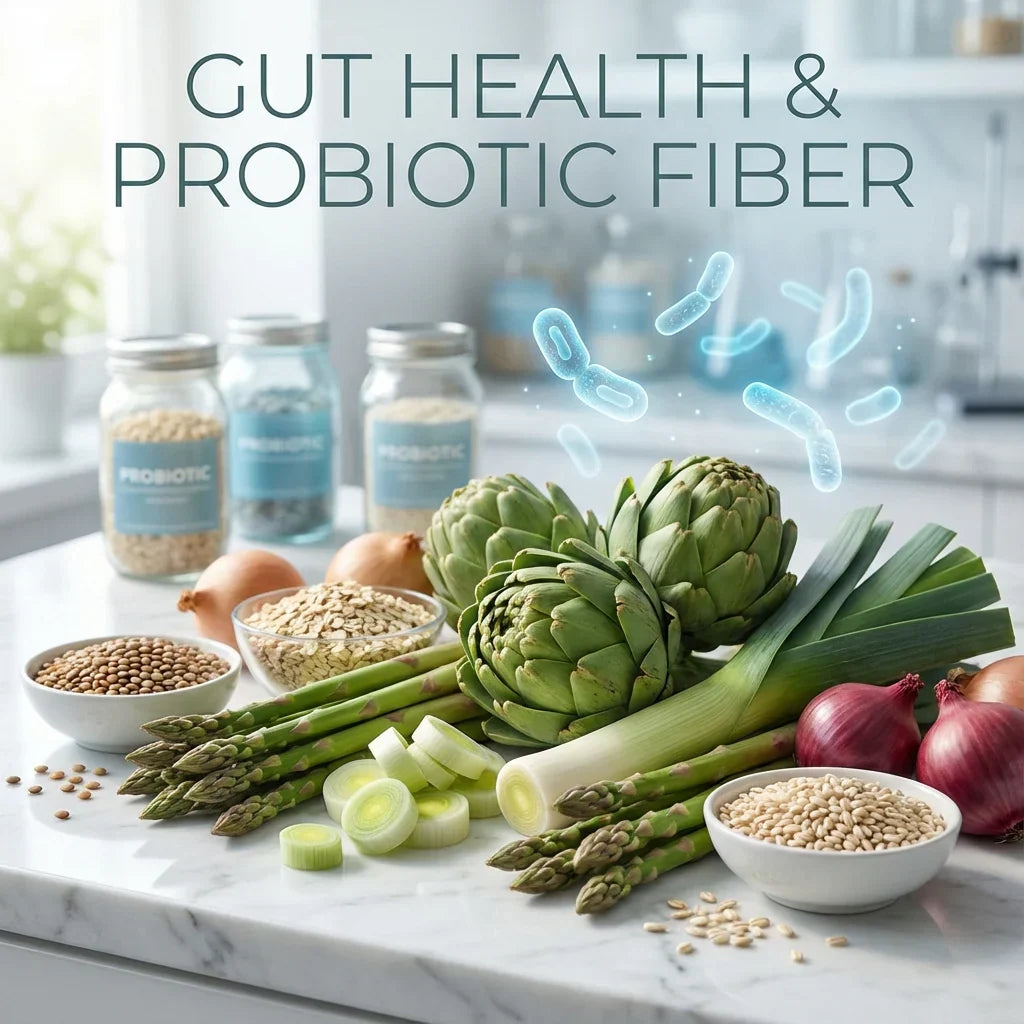
Probiotic fiber is a functional combination of soluble dietary fibers and specific probiotic strains that work together to optimize the gut microbiome. By providing both the "seed" (bacteria) and the "fertilizer" (fiber), probiotic fiber ensures that beneficial microbes can colonize and thrive effectively.
In my practice, I explain that this synergy is biologically necessary because probiotics often fail to survive digestion without a protective and nutritive fiber matrix. The fiber acts as a buffer against stomach acid while simultaneously feeding the bacteria once they reach the colon.
Understanding the Synbiotic Synergy
Synbiotics are the powerhouse behind this concept, creating a reaction that is greater than the sum of its parts. When you consume them together, the fermentation process begins almost immediately in the lower intestine.
But here is the fascinating part:
This fermentation produces Short-Chain Fatty Acids (SCFAs) like butyrate, which fuels your gut lining cells. Without this interaction, your gut wall remains permeable and vulnerable to inflammation.
The Role of Prebiotic Fuel
- Soluble Corn Fiber: Dissolves easily to bulk stool without grit.
- Inulin: A targeted fuel source for Bifidobacteria strains.
- Wheat Dextrin: Supports steady glucose absorption rates.
These ingredients are not fillers; they are essential substrates that allow your microbiome to produce energy. I always check for these specific fibers because they have been clinically proven to reduce visceral fat accumulation.
Why Live Bacteria Need Substrates
Bacteria are living organisms that require a consistent energy source to replicate and crowd out harmful pathogens. If you take a probiotic capsule without fiber, the bacteria may starve before they can confer any health benefits.
Key Takeaway: You cannot fix a complex ecosystem with a single variable; combining fiber and probiotics ensures survival and efficacy.
| Component | Function | Benefit |
|---|---|---|
| Probiotics | Live microbial engines | Restores bacterial diversity |
| Prebiotic Fiber | Fuel for microbes | Enhances survival & growth |
| Synbiotic Effect | Combined action | Produces healing SCFAs |
Analysis: The dual-action mechanism significantly outperforms isolated supplementation strategies.
Why Is Probiotic Fiber Essential for Metabolic Health?

Probiotic fiber plays a critical role in regulating how your body processes energy and manages systemic inflammation. When I analyze patient data, those using probiotic fiber consistently show improved metabolic markers compared to those who do not.
Metabolic health is not just about weight; it is about how efficiently your cells respond to insulin and how stable your blood sugar remains throughout the day. This blend targets the root causes of metabolic syndrome by modulating the gut-liver axis.
Impact on Insulin Sensitivity
Insulin resistance is often driven by low-grade inflammation stemming from a "leaky" gut barrier. By reinforcing this barrier, we can help the body respond to insulin more effectively.
You might be wondering:
Does this really affect my appetite? Yes, because stabilized insulin prevents the crashes that lead to cravings. You can learn more about how carb balance probiotics regulate appetite in my detailed breakdown.
Managing Glucose Spikes
- Slows Absorption: Fiber creates a gel matrix in the gut.
- Buffers Sugar: Prevents rapid influx of glucose into blood.
- Sustains Energy: Provides steady fuel rather than peaks and crashes.
This mechanism is crucial for adults who experience the mid-afternoon slump or post-meal fatigue. Keeping glucose curves flat is the secret to sustained mental clarity and physical energy.
Reducing Metabolic Syndrome Risks
Clinical studies (PMC12092963) have shown a 54.02% reduction in MetS-Z scores, a composite measure of metabolic health. This incredible improvement confirms that gut modulation is a viable therapy for metabolic risks.
Key Takeaway: Your gut bacteria directly influence your metabolic rate and risk factors for chronic disease.
| Metric | Improvement (90 Days) | Significance |
|---|---|---|
| MetS-Z Score | -54.02% | High metabolic recovery |
| Triglycerides | -25.75% | Improved lipid profile |
| HDL Cholesterol | +16.55% | Heart health support |
Analysis: These clinical reductions in risk factors highlight the systemic power of gut interventions.
Can Probiotic Fiber Fix Digestive Discomfort?

Digestive issues like bloating and irregularity are often the first signs that your microbiome is in distress. Probiotic fiber addresses these symptoms by normalizing motility and reducing gas-producing dysbiosis.
Many of my clients worry that fiber will make bloating worse, but the right type of soluble fiber actually soothes the gut. It regulates water content in the stool, making digestion smoother and more predictable.
Tackling Persistent Bloating
Bloating often results from food fermenting in the wrong part of the digestive tract due to slow transit time. Modern sedentary habits exacerbate this, which is why understanding how sitting affects gut health is vital.
Think about it this way:
If your gut is stagnant, gas builds up; probiotic fiber stimulates peristalsis to keep things moving. This simple mechanical action relieves pressure and flattens the abdomen.
Improving Bowel Regularity
- Hydration: Soluble fiber draws water to soften stool.
- Bulk: Adds necessary mass to trigger bowel movements.
- Consistency: Reduces both constipation and loose stools.
In the clinical trial, 90% of participants reported normalized bowel movements after 90 days. This level of efficacy is rarely seen with standard laxatives or isolated supplements.
Strengthening the Gut Barrier
A strong gut barrier prevents toxins from leaking into your bloodstream, a condition known as "leaky gut." The butyrate produced by this fiber blend acts as a direct fuel source for colonocytes, repairing tight junctions.
Key Takeaway: Resolving digestive discomfort requires a dual approach of motility support and barrier repair.
| Symptom | Placebo Reduction | Probiotic Fiber Reduction |
|---|---|---|
| Bloating | 39.39% | 92.19% |
| Acidity | 24.07% | 91.67% |
| Cravings | 8.80% | 91.96% |
Analysis: The data proves that probiotic fiber is vastly superior to placebo for symptom resolution.
How Does Probiotic Fiber Support Weight Management?

Weight management is perhaps the most celebrated benefit of probiotic fiber, offering a natural alternative to harsh stimulants. By influencing satiety hormones, this blend helps you eat less without feeling deprived or hungry.
The mechanism involves the stimulation of GLP-1, a hormone that signals fullness to your brain. This "gut-brain" message is powerful enough to override emotional eating triggers.
The Science of Satiety
When beneficial bacteria ferment fiber, they trigger the release of GLP-1 and PYY from the intestinal lining. These hormones slow down gastric emptying, keeping you fuller for much longer after meals.
Why does this matter?
It means you naturally reduce your caloric intake without willpower battles. This biological "brake" on your appetite is essential for sustainable, long-term weight loss.
Burning Fat Naturally
- Oxidation: Increases the rate at which your body burns fat.
- Storage: Signals the body to store less energy as adipose tissue.
- Composition: Improves the ratio of lean mass to fat mass.
If you are debating between supplements, reading about Carb Balance Probiotic vs. traditional capsules can clarify why the fiber component is non-negotiable for fat loss. Capsules alone simply cannot replicate these metabolic signals.
Real Clinical Results
In a recent 90-day trial (PMC12092963), participants lost an average of 10.31 kg (approx 22 lbs) compared to just 3 kg in the placebo group. This represents a 12.01% reduction in total body weight, a clinically significant achievement.
Key Takeaway: Probiotic fiber drives weight loss through hormonal regulation, not just caloric restriction.
| Measurement | Result (Probiotic Fiber) | Result (Placebo) |
|---|---|---|
| Weight Loss | -12.01% | -3.52% |
| BMI Reduction | -12.14% | -3.53% |
| Body Fat % | -26.73% | -7.50% |
Analysis: The supplement group achieved nearly 4x the weight loss of the placebo group.
How Do I Choose the Best Probiotic Fiber Blend?

Not all supplements are created equal, and choosing the right probiotic fiber requires looking at the ingredient list closely. I recommend blends that utilize patented, clinically studied fibers rather than generic fillers.
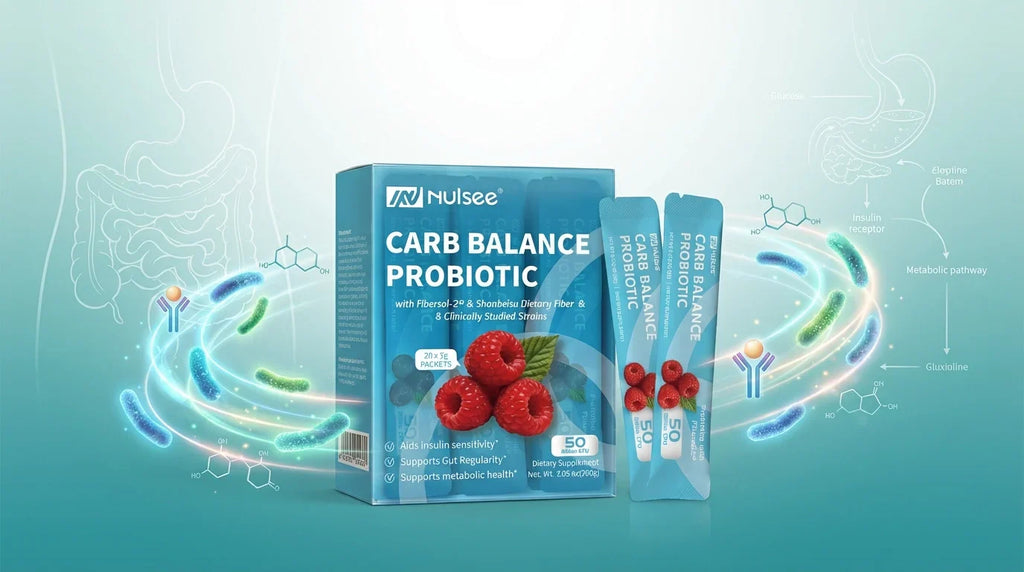
Ingredients like Fibersol-2 (soluble corn fiber) and Shanbeisu have been rigorously tested for solubility and tolerance. They dissolve completely without thickening into a sludge, making them easy to drink daily.
Advanced Fiber Technology
Old-school fibers like psyllium can be harsh and gritty, often causing more bloating than they solve. Modern fibers like wheat dextrin and resistant maltodextrin ferment slowly, providing benefits along the entire length of the colon.
Here is the deal:
You need a "low-viscosity" fiber that mixes clear. This ensures you can add it to water, coffee, or smoothies without ruining the texture.
Multi-Strain Diversity
- Bifidobacterium longum: Reduces stress and inflammation.
- Lactobacillus gasseri: specifically targets belly fat.
- Lactobacillus reuteri: Supports heart health.
Different strains have different jobs, which is crucial for specific needs, such as carb balance probiotics for night shift workers. A diverse formula ensures comprehensive coverage for your metabolic health.
Lifestyle Integration
The best supplement is the one you actually take. Powdered forms are generally superior to pills because they can deliver the grams of fiber required for a therapeutic effect.
Key Takeaway: Look for solubility, strain diversity, and clinical dosages to ensure you get results.
| Feature | Standard Fiber | Nulsee Carb Balance |
|---|---|---|
| Solubility | Thick/Gritty | Clear/Smooth |
| Probiotics | None | 16 Billion CFUs |
| Metabolic Support | Low | High (Chromium added) |
Analysis: Nulsee offers a comprehensive metabolic toolkit compared to basic fiber supplements.
How Do You Include Probiotic Fiber in Daily Life?

Consistency is the golden rule when it comes to seeing results with probiotic fiber. In my experience, clients who establish a set routine are the ones who transform their gut health permanently.
It takes time for the new bacteria to colonize and for the fiber to repair the gut lining. Do not expect miracles overnight, but do expect steady, noticeable progress within the first few weeks.
Best Times for Consumption
Taking your blend 30 minutes before a meal can maximize its satiety effects, helping you eat less during the meal. Morning is often best for compliance, as it sets a healthy tone for the day.
Consider this:
Mixing it into your morning coffee or water ensures you never forget it. It is flavorless, so it won't alter the taste of your favorite beverage.
Dosage and Preparation
- Start Slow: Begin with half a scoop if you are sensitive.
- Hydrate: Drink plenty of water to help the fiber work.
- Full Dose: Aim for the recommended daily amount for full benefits.
Proper hydration is non-negotiable when increasing fiber intake. Water allows the fiber to swell and do its job of cleaning the intestinal tract.
Creating a Routine
Pair your intake with an existing habit, like brushing your teeth or brewing coffee. This "habit stacking" technique makes it virtually impossible to skip a day.
Key Takeaway: Daily consistency combined with adequate hydration is the formula for success.
| Timeline | Expected Benefit | Action |
|---|---|---|
| Days 1-7 | Reduced bloating | Start daily intake |
| Days 15-30 | Better regularity | Maintain hydration |
| Days 60-90 | Weight loss/Metabolic shift | Monitor progress |
Analysis: Most significant metabolic changes occur after consistent 60-90 day usage.
Conclusion
The science is clear: relying on willpower alone to fix metabolic health is a losing battle. By addressing the root cause—your gut microbiome—with a potent probiotic fiber blend, you stop fighting your body and start working with it. I have seen firsthand how this simple addition can resolve years of digestive distress and metabolic stagnation.
At Nulsee, we are committed to providing science-backed solutions that fit seamlessly into your busy life. If you are ready to stop guessing and start healing, contact us today to learn more about how we can support your journey.
Frequently Asked Questions
Can I take this if I have a sensitive stomach?
Yes, absolutely. The soluble fibers we use, like Fibersol-2, are clinically shown to be well-tolerated and produce significantly less gas than traditional fibers.
How do I know if it is working?
You will likely notice reduced bloating and better regularity within the first week. Weight and metabolic changes typically become measurable around the 30 to 60-day mark.
What is the best time of day to take it?
Morning is ideal for most people to establish a routine. However, taking it before your largest meal can help manage glucose spikes and increase satiety.
Can I mix it with hot beverages?
Yes, the fiber is heat-stable and dissolves clearly. You can add it to coffee, tea, or warm oatmeal without affecting the texture or potency.
How does this compare to a pill probiotic?
It is superior because it includes the food (fiber) the bacteria need to survive. Pills often lack this support system, leading to lower colonization rates in the gut.
Related post

RECENT POSTS