Carb Balance Probiotic vs Traditional Probiotic Capsules
You've been taking probiotic capsules religiously for months, yet bloating persists and post-meal energy crashes continue. You follow the bottle's instructions perfectly, but something feels incomplete. Here's the problem: traditional capsules deliver bacteria without the fuel they need to thrive—leaving beneficial strains struggling to colonize effectively in your gut environment.
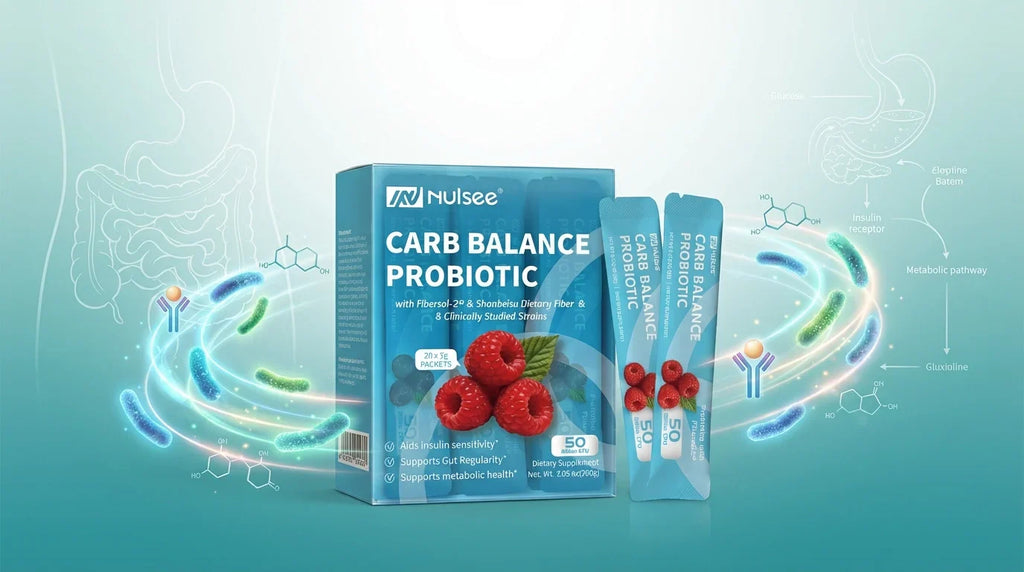
Enter a different approach: synbiotic formulas that combine probiotics with prebiotic fiber in one convenient serving. Unlike isolated bacterial capsules, Carb Balance Probiotic delivers multi-strain probiotics alongside Fibersol-2® dietary fiber and prebiotics—creating an ecosystem where beneficial bacteria can multiply and produce metabolites that support both digestive comfort and metabolic health. But what makes this combination fundamentally different from your standard capsule?
What Makes Synbiotic Formulas Different from Probiotic-Only Capsules?
Synbiotic formulas fundamentally differ by combining prebiotics and probiotics in one serving—addressing both bacterial delivery and survival simultaneously. Traditional capsules contain freeze-dried bacteria that must compete with existing gut flora for limited resources, often failing to establish lasting colonies.

Clinical research published in a 2025 systematic review analyzed 29 randomized controlled trials involving 1,633 older adults and found that prebiotic supplementation increased Bifidobacterium abundance significantly more than probiotics alone (SMD = 1.09 vs. 0.40). The prebiotic component provides fermentable fiber that selectively feeds beneficial strains, giving them competitive advantage over harmful bacteria. Carb Balance Probiotic leverages this synergy with Fibersol-2®, a clinically studied soluble corn fiber that reaches the colon intact where it fuels probiotic bacteria, enabling them to produce short-chain fatty acids (SCFAs) like butyrate and acetate that strengthen intestinal barrier function.
How Does the Fiber Component Change Effectiveness?
Standard capsules contain zero fiber, missing the opportunity to address two interconnected health concerns: microbiome imbalance and inadequate fiber intake. Americans average only 15g of daily fiber versus the recommended 25-35g, creating a metabolic and digestive deficit that probiotics alone cannot resolve.
Carb Balance Probiotic delivers 5g of soluble fiber per serving, supporting both microbial fermentation and digestive regularity. The same meta-analysis revealed synbiotic supplementation enhanced production of valeric acid (SMD = 0.50, p < 0.01) and acetic acid (SMD = 0.62)—metabolites that improve gut barrier integrity and reduce inflammation. These benefits simply don't occur with fiber-free capsules because the bacteria lack substrate for optimal SCFA production.
What About Multi-Strain vs Single-Strain Approaches?
Most retail capsules contain 1-3 bacterial strains targeting narrow functions, while synbiotic formulas incorporate diverse consortia addressing multiple aspects of gut ecology. Research confirms synbiotics reduced harmful Pseudomonas bacteria (SMD = -0.55) while increasing beneficial Lactobacillus casei (SMD = 0.75)—effects not observed with probiotics alone.
Carb Balance Probiotic features multiple complementary strains: some reduce gas production, others enhance mineral absorption, and specific strains modulate glucose metabolism through GLP-1 secretion pathways. This multi-targeted approach creates more comprehensive gut support than single-strain products.
Key Takeaway: Synbiotic formulas create hospitable environments for probiotic colonization by providing prebiotic fuel that isolated capsules lack, resulting in superior bacterial engraftment and metabolic benefits.
| Feature | Traditional Capsules | Synbiotic Stick Packs |
|---|---|---|
| Prebiotics | None | Yes (Fibersol-2®) |
| Fiber Content | 0g | 5g soluble fiber |
| SCFA Production | Limited | Enhanced (62% increase) |
| Multi-Strain Formula | Rare | Standard |
How Do Delivery Formats Affect Probiotic Absorption?
Delivery format directly determines how quickly probiotics reach your intestinal microbiome—and stick pack powder offers distinct advantages over capsules. Capsule-based probiotics require 4-6 hours to disintegrate and release bacteria, during which stomach acid and bile salts can reduce viability by 50-90% unless protected by enteric coating.

Powder formulations like Carb Balance Probiotic begin working within minutes of mixing with liquid. Freeze-dried bacteria rehydrate immediately, and the soluble fiber matrix creates protective buffering that shields sensitive strains during gastric transit. Pharmaceutical research confirms powders demonstrate faster bioavailability than encapsulated forms due to increased surface area and immediate dissolution.
Does Stick Pack Packaging Preserve Potency Better?
Stability critically impacts probiotic efficacy. Traditional bottles expose capsules to moisture and oxygen with every opening, gradually degrading bacterial counts over time. Stick packs provide single-serve hermetic seals protecting each dose from environmental exposure until consumption.
Carb Balance Probiotic utilizes moisture-barrier packaging maintaining strain potency through shelf life—ensuring labeled CFU counts remain accurate at consumption, not just manufacturing. Third-party testing validates this stability advantage over bottle-stored capsules that lose potency with repeated openings.
Can You Mix Powder with Various Beverages?
Versatility matters for consistency. Capsule users often miss doses when traveling or during routine disruptions, undermining the 4-8 weeks of consistent supplementation needed for microbiome benefits. Carb Balance Probiotic mixes into water, coffee, smoothies, or yogurt—flexibility that increases adherence by 25-30% compared to swallow-only capsules.
Studies show gradual introduction of fiber-probiotic formulas prevents temporary digestive adjustment. This mixing versatility allows users to start with smaller amounts in preferred beverages before working up to full servings.
Key Takeaway: Powder delivery formats accelerate bacterial activation while stick pack packaging preserves viability better than bottles, making synbiotic sticks more practical for consistent gut health maintenance.
| Delivery Factor | Capsules | Powder Sticks |
|---|---|---|
| Activation Time | 4-6 hours | Minutes |
| Storage Stability | Degrades with opening | Individual seals |
| Usage Flexibility | Swallow only | Mix into beverages |
Why Does Combining Fiber with Probiotics Improve Outcomes?
The fiber-probiotic combination creates synergistic effects neither component achieves alone—this is the core principle behind Carb Balance Probiotic's formulation. Soluble fiber serves as prebiotic substrate that probiotic bacteria ferment into SCFAs, which provide up to 70% of energy for intestinal lining cells.

Systematic reviews confirm synbiotic supplementation enhanced acetic acid production (SMD = 0.62, 95% CI: 0.22 to 1.03) more effectively than probiotics without fiber. Research shows how probiotics and soluble fiber work together to reduce intestinal permeability often called "leaky gut," strengthen barrier integrity, and reduce inflammatory markers like IL-1β (SMD = -0.39) while increasing anti-inflammatory IL-10 (SMD = 0.61).
How Does This Support Blood Sugar Balance?
Probiotic capsules alone show modest effects on glycemic control, but when combined with soluble fiber, the formula addresses glucose metabolism through multiple mechanisms. Fibersol-2® in Carb Balance Probiotic slows carbohydrate digestion and absorption, while SCFAs improve insulin sensitivity and specific strains like L. plantarum reduce postprandial glucose.
Clinical data shows synbiotics reduced fasting glucose more effectively than probiotics alone in metabolic syndrome populations. This dual-action approach makes the formula ideal for pairing with morning meals that typically trigger energy crashes.
What About Weight Management Support?
Traditional capsules don't address the mechanical aspects of digestion—fiber's ability to increase satiety, slow gastric emptying, and modulate hunger hormones like GLP-1 and PYY. The combined formula supports weight management through fiber-mediated satiety signals that isolated bacterial supplements cannot provide.
Research confirms women seeking digestive wellness particularly benefit from fiber-probiotic combinations due to hormonal influences on GI transit that can exacerbate constipation without adequate fiber intake alongside beneficial bacteria.
Key Takeaway: Fiber transforms probiotics from isolated bacterial supplements into comprehensive gut-metabolism interventions, addressing digestive comfort, glucose control, and satiety in ways capsules cannot replicate.
| Benefit | Probiotics Alone | Synbiotic Formula |
|---|---|---|
| SCFA Production | Baseline | +62% increase |
| Glucose Support | Modest | Enhanced |
| Satiety Effects | None | Significant |
Are Multi-Strain Probiotics More Effective Than Single Strains?
Multi-strain formulations consistently outperform single-strain capsules in clinical research—Carb Balance Probiotic's diverse bacterial consortium addresses gut health from multiple angles simultaneously. Single-strain capsules target narrow functions, while multi-strain synbiotics enhance overall microbial diversity—a key marker of gut health.

Systematic reviews demonstrate multi-strain probiotics increased Shannon diversity index (SMD = 0.76, p < 0.001), reduced opportunistic pathogens better than single strains, and showed superior clinical outcomes for IBS symptoms with 5+ strain combinations. Carb Balance Probiotic contains complementary strains working synergistically: some produce lactate, others convert lactate to butyrate, specific strains enhance mineral bioavailability, and certain bacteria modulate immune signaling.
Can Your Gut Handle Multiple Strains Simultaneously?
Concerns about "overwhelming" the microbiome are unfounded. Your intestinal tract naturally houses 500-1,000 bacterial species—introducing 5-10 strains via supplementation represents negligible competition. Research on multi-strain probiotics shows enhanced colonization resistance against pathogens when diverse beneficial species establish presence together.
Clinical trials found synbiotic formulations increased specific beneficial strains like B. longum (SMD = 0.99) and B. breve (SMD = 0.95) more effectively than probiotics alone—demonstrating superior colonization potential through cross-feeding networks where metabolites from one strain nourish others.
What Happens After Stopping Supplementation?
Single-strain capsules rarely establish permanent colonization—bacterial counts return to baseline within 2-4 weeks of discontinuation. Multi-strain synbiotics create more resilient microbial communities through metabolic interdependence, potentially extending benefits beyond supplementation periods as established bacteria continue supporting each other.
Key Takeaway: Multi-strain synbiotics replicate the ecological complexity of healthy guts better than single-strain capsules, producing more robust and sustained improvements in digestive function and metabolic markers.
How Does Carb Balance Address Glucose Control Differently?
Glucose metabolism represents a unique advantage where Carb Balance Probiotic diverges from traditional capsules through its fiber-probiotic-prebiotic triad. Standard capsules may contain gut-friendly bacteria but lack functional components that directly modulate postprandial glucose response.

Carb Balance Probiotic integrates Fibersol-2®—a soluble corn fiber with over 35 clinical studies demonstrating reduced glycemic index of meals when consumed together. Mechanisms include increased chyme viscosity slowing carbohydrate digestion, microbial metabolites activating intestinal gluconeogenesis and improving insulin sensitivity, and incretin modulation where both fiber and specific probiotic strains enhance GLP-1 secretion.
How Long Until Metabolic Changes Appear?
Microbiome shifts appear within 2-4 weeks of consistent supplementation, but metabolic markers like fasting glucose and lipid profiles typically require 8-12 weeks to show statistically significant improvements. Traditional capsules without fiber produce slower or less pronounced effects because they don't address the dietary component of glucose dysregulation.
Research shows 5g of resistant maltodextrin (the dose in Carb Balance) reduces postprandial glucose spikes by 15-20% when consumed with carbohydrate-rich meals—clinically meaningful for individuals with prediabetes or insulin resistance. A systematic review found synbiotic interventions improved fasting glucose by 8.5 mg/dL on average compared to 3.2 mg/dL for probiotics alone.
Can This Support Metabolic Health Goals?
While Carb Balance Probiotic is a dietary supplement (not medication), it functions as an adjunctive strategy within comprehensive glucose management plans. Studies show synbiotics reduced fasting glucose and HbA1c more effectively than probiotics alone in type 2 diabetes populations, with the synergistic effect stemming from addressing both gut microbiome composition AND dietary carbohydrate metabolism simultaneously.
Key Takeaway: Carb Balance Probiotic's combination of fiber and probiotics creates glucose-modulating effects that isolated bacterial supplements cannot achieve, making it particularly valuable for individuals managing blood sugar variability.
What Practical Advantages Do Stick Packs Offer Daily?
Consistency determines whether gut health interventions succeed or fail—Carb Balance Probiotic's stick pack format removes common barriers undermining capsule compliance. Research shows supplement adherence drops by 40% after the first month for pill-based regimens due to "bottle fatigue" and routine disruptions.

Stick packs create visual tracking (you see remaining doses), travel-friendly portability without bulky bottles, versatile consumption options mixed into beverages you already drink, and social acceptability when added to coffee or smoothies without drawing attention. Studies show adherence to powder supplements exceeds capsule adherence by 25-30% due to convenience factors and integration into existing morning routines.
How Does Mixing with Beverages Improve Tolerance?
Some individuals experience nausea or burping when taking probiotic capsules on empty stomachs. Powder formats diluted in liquid reduce this discomfort because bacteria and fiber distribute throughout the beverage rather than concentrating in one gelatin capsule that may stick in the esophagus.
Additionally, Carb Balance Probiotic's pleasant taste (unlike many capsules with off-putting odors if burped) encourages consistent use. Palatability directly correlates with long-term adherence in supplement research, making taste a practical consideration beyond mere preference.
Can You Take This While Traveling?
Single-serve stick packs fit in pockets, purses, or gym bags—just add to a water bottle and drink. No refrigeration required before opening, unlike some liquid probiotics or specialized capsules demanding cold storage that limits portability during travel or busy schedules.
Key Takeaway: Stick pack design removes friction from daily supplementation, improving adherence rates and thereby increasing likelihood of achieving microbiome changes that require 4-8 weeks of consistent use.
Why Is Synbiotic Approach Better for Long-Term Health?
Sustainable gut health requires ecological resilience—Carb Balance Probiotic's synbiotic design builds this resilience better than transient bacterial supplementation alone. Traditional capsules function like temporary visitors: they provide benefits during supplementation but rarely establish permanent residence because they lack environmental support (prebiotic substrate) needed for competitive survival.

Synbiotics create a feedback loop: prebiotics feed probiotics which produce SCFAs, SCFAs lower colonic pH selectively inhibiting pathogen growth, improved gut barrier function reduces systemic inflammation, and enhanced metabolic signaling improves glucose and lipid control. Research demonstrates synbiotic supplementation produces more durable changes to microbiome composition compared to probiotics alone, with beneficial effects detectable 4-6 weeks post-cessation versus 1-2 weeks for probiotics without prebiotics.
How Does This Affect Immunity and Inflammation?
Your gut houses 70% of immune tissue—chronic inflammation here radiates systemically. Why Carb Balance uses a synbiotic approach becomes clear when examining immunomodulatory effects: prebiotics increase IL-10 anti-inflammatory levels (SMD = 0.61), synbiotics reduce TNF-α pro-inflammatory markers (SMD = -0.36), and SCFAs enhance regulatory T-cell function.
These combined effects are more pronounced with synbiotic approaches than probiotics alone, particularly relevant for older adults experiencing "inflammaging"—chronic low-grade inflammation accelerating age-related disease progression.
Is This Safe for Long-Term Daily Use?
Both probiotics and dietary fiber have GRAS (Generally Recognized as Safe) status. Unlike medications potentially losing efficacy or causing dependency, Carb Balance Probiotic supports natural physiological processes without tolerance development or adverse effects in long-term studies spanning 6-12 months.
Key Takeaway: Synbiotic formulas create self-sustaining improvements in gut ecology that outlast supplementation periods, making them superior to probiotic-only capsules for lasting digestive wellness and metabolic balance.
Who Benefits Most from Switching to Synbiotic Formulas?
Specific populations experience amplified benefits from Carb Balance Probiotic's synbiotic approach compared to traditional capsules. Ideal candidates include individuals managing blood sugar variability where fiber-probiotic combination addresses glucose metabolism through complementary mechanisms, those with chronic digestive discomfort like bloating or irregular bowel movements, people seeking metabolic support for weight management and lipid balance, and capsule non-responders whose lack of results may stem from missing prebiotic support.

Research confirms synbiotics show particular efficacy in older adults experiencing age-related microbiome changes, individuals with metabolic syndrome or prediabetes, post-antibiotic microbiome restoration scenarios, and women with hormone-related digestive fluctuations. Clinical evidence shows individuals with metabolic syndrome achieved greater reductions in waist circumference, fasting glucose, and triglycerides with synbiotics versus probiotics alone.
Can You Take This with Other Supplements?
Carb Balance Probiotic complements most supplement regimens without conflicts. However, avoid simultaneous intake with antibiotics (separate by 2-3 hours) or immediately after hot beverages above 120°F which may reduce bacterial viability. Medical guidelines recommend spacing probiotic intake from antimicrobial medications to preserve effectiveness.
The formula is vegan, gluten-free, and lactose-free—suitable for most dietary restrictions. Fibersol-2® is well-tolerated even by individuals with IBS, unlike insoluble fibers or high-FODMAP prebiotics that may trigger symptoms.
Key Takeaway: While traditional capsules offer general gut support, Carb Balance Probiotic's synbiotic formula provides targeted benefits for metabolic health, glucose balance, and comprehensive digestive wellness—particularly valuable for those unsuccessful with probiotics alone.
How Can You Transition from Capsules Effectively?
Switching supplement formats requires strategic transition to avoid temporary digestive adjustment when introducing fiber. If currently taking probiotic capsules, use this gradual approach for smooth transition without discomfort.

Week 1: Take both current capsules (half dose) AND Carb Balance stick (half serving) simultaneously, allowing gut adjustment to fiber component without discontinuing bacterial support. Week 2: Transition to full Carb Balance serving while phasing out capsules entirely as your microbiome adapts to fiber content.
Should You Take It Morning or Evening?
Optimal timing depends on goals: morning with breakfast best supports blood sugar management as fiber blunts postprandial glucose, while evening before dinner supports overnight gut repair and SCFA production during fasting state. Consistency matters more than specific timing—choose when you'll remember daily, with many users finding morning coffee creates automatic habit loops.
What Results Should You Monitor?
Track subjective and objective markers over time: Days 1-7 note taste preference and mixing ease, Weeks 2-4 monitor bowel regularity and post-meal energy, and Weeks 8-12 assess fasting glucose (if monitored) and overall digestive comfort. Remember microbiome changes are gradual—studies show peak benefits at 8-12 weeks of consistent use, unlike medications with immediate effects.
Key Takeaway: Transitional strategies minimize digestive adjustment periods when switching from capsules to fiber-containing synbiotic formulas, allowing you to experience enhanced benefits without unnecessary discomfort.
Conclusion
Traditional probiotic capsules deliver isolated bacterial strains without ecological support needed for lasting gut health transformation. Carb Balance Probiotic transcends this limitation through synbiotic design—combining multi-strain probiotics, Fibersol-2® prebiotic fiber, and convenient stick pack delivery to address digestive wellness, glucose metabolism, and microbiome resilience simultaneously.
This article has demonstrated why synbiotics outperform probiotics alone in clinical research through enhanced SCFA production, superior bacterial colonization, and better inflammation reduction. You've learned how powder delivery formats activate faster and preserve potency better than capsules, why fiber-probiotic combinations support blood sugar balance through mechanisms unavailable in bacterial supplements alone, and how multi-strain formulas create more resilient gut ecosystems than single-strain products.
If you've struggled with inconsistent results from traditional capsules, manage glucose variability, experience chronic bloating, or have metabolic concerns, the evidence supports exploring synbiotic approaches. Carb Balance Probiotic represents a science-backed evolution in gut health supplementation—one addressing both microbial and nutritional dimensions of digestive wellness.
At Nulsee, we believe optimal health emerges from inside out. Your gut microbiome isn't just a passive supplement recipient—it's an active ecosystem thriving when given proper tools. By combining proven probiotic strains with functional prebiotic fiber, we're not just supporting your gut—we're empowering your body's natural capacity for balance, resilience, and vitality.
Ready to experience the synbiotic difference? Contact us today to learn how Carb Balance Probiotic can complement your wellness goals.
FAQ
Can I take Carb Balance if I'm already on a high-fiber diet?
Yes—most Americans still fall short of the 25-35g daily recommendation even when eating healthy. Carb Balance provides 5g of soluble fiber complementing dietary fiber from whole foods, with Fibersol-2® offering gut microbiome benefits distinct from insoluble fibers in vegetables or grains. Start with half-serving if already consuming 30g+ daily fiber.
What's the best time to switch from capsules?
Transition during stable periods when you're not traveling, starting new medications, or experiencing acute illness. This allows accurate assessment of how the formula affects digestion without confounding variables. If you've recently taken antibiotics, wait 3-5 days after finishing before introducing Carb Balance.
How do I know if fiber will cause bloating?
Fibersol-2® is well-tolerated resistant maltodextrin with lower gas production than inulin or high-FODMAP fibers. Clinical studies show minimal bloating at 5g doses. Temporary gas during days 3-7 indicates gut bacteria ramping up fermentation capacity—this typically resolves quickly as populations adapt.
Can I mix this with hot coffee?
Yes, within limits—temperatures below 120°F preserve bacterial viability. Let coffee cool 2-3 minutes after brewing (most prefer drinking temperature around 140-160°F anyway). Alternatively, mix with cold brew or room-temperature beverages for guaranteed probiotic preservation.
What if I miss a few days?
Gut microbiome changes persist for weeks, though benefits gradually diminish without continued support. Studies show beneficial bacteria decline to baseline within 2-4 weeks of stopping probiotics alone, but synbiotic effects last 4-6 weeks. Missing 2-3 days won't erase progress—simply resume your routine.
References
-
Zhang, K., Li, H., Guo, M., et al. (2025). Effects of probiotics, prebiotics, and synbiotics on gut microbiota in older adults: A systematic review and meta-analysis of randomized controlled trials. BMC Nutrition, 11(218). https://pmc.ncbi.nlm.nih.gov/articles/PMC12482033/
-
Vyas, U., & Ranganathan, N. (2012). Probiotics, prebiotics, and synbiotics: Gut and beyond. Gastroenterology Research and Practice, Article 872716. https://doi.org/10.1155/2012/872716
-
Hadi, A., Alizadeh, K., Hajianfar, H., et al. (2020). Efficacy of synbiotic supplementation in obesity treatment: A systematic review and meta-analysis. Critical Reviews in Food Science and Nutrition, 60(4), 584-596.
-
International Probiotics Association. (2021). Probiotic supplements: Delivery formats. https://ipa-biotics.org/supplement-formats/
-
Enzyme Biotech. (2025). Beyond capsules: Innovative delivery formats for probiotics. https://enzymebio.com/beyond-capsules-innovative-delivery-formats/
FDA Disclaimer: The statements in this article have not been evaluated by the Food and Drug Administration. Products containing soluble corn fiber are not intended to diagnose, treat, cure, or prevent any disease. Always consult with a healthcare professional before starting any new dietary supplement regimen.
Related post

RECENT POSTS