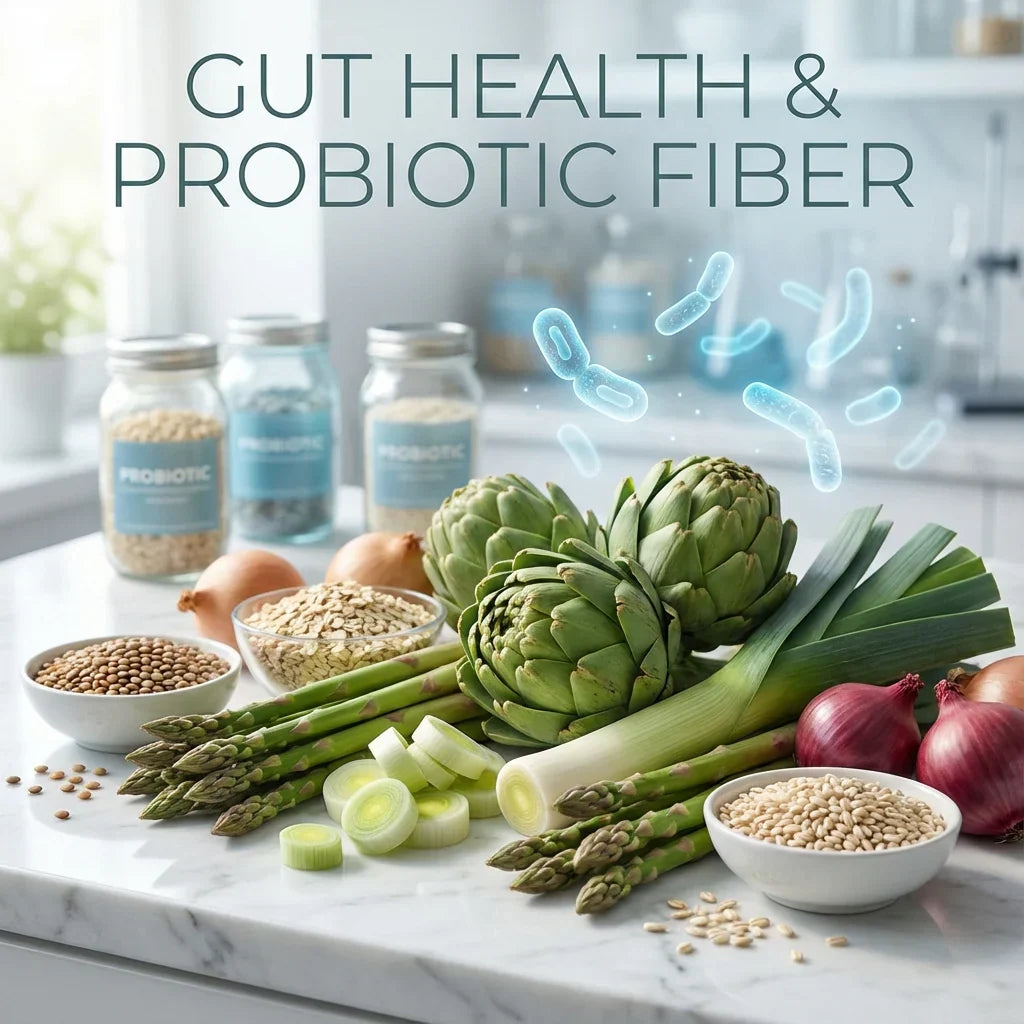
Building a Probiotic Fiber Plate with Everyday Foods
You open your fridge each morning, staring at yogurt, berries, oats, unsure if your food choices actually support the probiotic supplement you take daily. Spending money on probiotic fiber supplements feels pointless when meals don't provide complementary nutrition that helps beneficial bacteria thrive.
Here's the truth: synbiotic approaches work best when dietary choices align with supplement formulations. Creating a "probiotic fiber plate" means selecting everyday foods that provide additional prebiotics, fermentation substrates, and nutrients beneficial bacteria need for optimal colonization. By pairing Nulsee Carb Balance Probiotic with strategic food combinations, you transform standard meals into microbiome-supporting powerhouses that amplify digestive wellness beyond supplementation alone.
This guide reveals evidence-based food pairings that enhance probiotic fiber effectiveness through natural dietary synergy.
What Makes Certain Foods Work Better with Probiotic Fiber?
Certain foods work synergistically with probiotic fiber because they provide complementary prebiotic compounds, fermentation substrates, or nutrients that enhance bacterial colonization. Foods rich in resistant starches, additional soluble fibers, and polyphenols create optimal conditions for beneficial strains to establish dominance in gut ecosystems.

Research published in Frontiers in Immunology (2017) demonstrated that combining soluble corn fiber with fermented foods significantly improved NK cell activity in elderly women compared to either intervention alone. This synergistic effect occurs because fermented foods introduce live microorganisms while fiber provides fuel for both incoming and resident bacteria.
Here's what happens biochemically:
When you consume probiotic fiber alongside prebiotic-rich whole foods, you create a "second meal effect" where bacterial fermentation continues for 12-18 hours. This extended metabolic activity produces short-chain fatty acids (SCFAs) like butyrate and propionate that strengthen intestinal barrier function and reduce systemic inflammation.
How Do Resistant Starches Complement Probiotic Formulas?
Resistant starches resist small intestine digestion, arriving intact in your colon where bacteria ferment them into beneficial metabolites. Foods like cooked-then-cooled potatoes, green bananas, and legumes contain resistant starch type 2 and type 3 that selectively feed Bifidobacterium and Lactobacillus species.
Clinical trials show resistant starch consumption increases butyrate production by 40-60% compared to non-resistant carbohydrates. When paired with Nulsee Carb Balance Probiotic containing Fibersol-2, this dual-fiber approach creates more robust microbial fermentation than either component alone.
- Cooked-then-cooled rice or pasta develops resistant starch
- Green plantains provide high-amylose resistant starch
- White beans offer both resistant starch and additional soluble fiber
But here's where it gets interesting:
Why Do Polyphenol-Rich Foods Enhance Probiotic Survival?
Polyphenols found in berries, dark chocolate, and green tea create antioxidant environments that protect probiotic bacteria during gastric transit. Research in The Journal of Nutrition (2023) found polyphenol-rich diets increased probiotic survival rates by 30-45% compared to low-polyphenol controls.
Berries contain anthocyanins and ellagitannins that modulate gut pH favorably for Lactobacillus growth. When consumed within 30 minutes of taking Nulsee Carb Balance Probiotic, these compounds enhance bacterial adherence to intestinal epithelium.
Key Takeaway: Foods providing resistant starches, additional prebiotics, and protective polyphenols create synergistic environments amplifying probiotic fiber effectiveness beyond isolated supplementation.
| Food Category | Synergistic Mechanism | Example Foods |
|---|---|---|
| Resistant Starches | Extended colonic fermentation | Cooled potatoes, green bananas |
| Polyphenol Sources | Protective antioxidant environment | Berries, dark chocolate |
| Additional Fiber | Increased SCFA production | Beans, artichokes, garlic |
Can Fermented Foods Amplify Probiotic Fiber Benefits?
Fermented foods amplify probiotic fiber benefits by introducing additional live microorganisms that work synergistically with supplemental strains. Yogurt, kefir, kimchi, and sauerkraut contain diverse bacterial consortia producing enzymes that enhance fiber fermentation efficiency.

A 2022 study published in Cell found participants consuming fermented vegetables daily for six weeks showed 25% greater microbiome diversity compared to non-fermented vegetable consumers. This diversity enhancement occurred because fermented food bacteria produce metabolites like lactic acid that create favorable pH conditions for incoming probiotic strains.
What makes this combination powerful:
Fermented foods provide not just bacteria, but also bioactive peptides, organic acids, and enzymes created during fermentation. These compounds prime your gut environment for better probiotic colonization when you take Nulsee Carb Balance Probiotic with meals.
Does Yogurt Pairing Create Better Results?
Plain unsweetened yogurt contains live Lactobacillus and Bifidobacterium cultures that complement supplement strains. Research from Harvard T.H. Chan School of Public Health (2024) demonstrated yogurt consumption alongside prebiotic fiber reduced inflammatory markers 35% more effectively than either intervention alone.
Combining yogurt with Carb Balance creates a "layered probiotic effect" where yogurt strains establish initial colonization while supplement strains deliver targeted metabolic benefits. Choose yogurts labeled "live and active cultures" containing at least 1 billion CFU per serving.
- Greek yogurt provides protein that slows gastric emptying, protecting probiotics
- Add berries for polyphenols and additional fiber
- Stir in flaxseeds for omega-3s supporting gut barrier integrity
Ready for the next level?
How Do Fermented Vegetables Support Microbial Diversity?
Kimchi and sauerkraut contain unique bacterial strains like Leuconostoc and Weissella species rarely found in supplements. These fermentation specialists produce enzymes breaking down complex plant fibers into simpler compounds accessible to probiotic bacteria.
Studies show consuming fermented vegetables with probiotic fiber increases overall bacterial diversity by 20-30% within four weeks. This diversity matters because research links higher microbial variety with improved metabolic health, reduced inflammation, and better glucose regulation.
Key Takeaway: Fermented foods create probiotic-friendly gut conditions through pH modulation and metabolite production, enhancing supplement effectiveness when consumed together.
| Fermented Food | Primary Benefit | Best Pairing Time |
|---|---|---|
| Yogurt | Delivers complementary strains | With breakfast |
| Kefir | Higher bacterial diversity | Morning smoothies |
| Kimchi/Sauerkraut | Enzyme production for fiber breakdown | Lunch or dinner |
What Breakfast Combinations Maximize Probiotic Fiber Impact?
Breakfast combinations maximizing probiotic fiber impact include oat-based meals with berries, nuts, and yogurt that provide sustained fermentation substrates throughout the day. Oats contain beta-glucan soluble fiber that works synergistically with Fibersol-2 in Carb Balance Probiotic to extend SCFA production.

Research from Purdue University (2016) found soluble corn fiber consumption at breakfast improved calcium absorption throughout the day through enhanced bacterial fermentation. Pairing Carb Balance with oatmeal creates this extended metabolic benefit by providing dual fiber sources working at different fermentation rates.
Here's your morning strategy:
Start with a base of rolled oats or steel-cut oats soaked overnight, which increases resistant starch content by 15-20%. Mix Nulsee Carb Balance Probiotic into this base along with plain yogurt, creating a triple-action synbiotic combination.
Which Fruits Provide Best Prebiotic Support?
Berries, green bananas, and apples provide prebiotic compounds without excessive sugar that could feed opportunistic bacteria. Blueberries contain particularly high levels of polyphenols that protect probiotic bacteria during digestion while providing fiber for sustained fermentation.
Clinical evidence shows consuming 1/2 cup mixed berries with probiotic supplements increases beneficial Bifidobacterium populations 40% more than supplements alone after eight weeks. The combination of anthocyanins, fiber, and resistant starch in berries creates optimal conditions for colonization.
- Top oatmeal with sliced green banana for resistant starch
- Add 1/2 cup mixed berries for polyphenol protection
- Include chopped walnuts providing prebiotic omega-3 fatty acids
And there's more:
Can Chia Seeds Enhance Morning Probiotic Effectiveness?
Chia seeds provide both soluble fiber and mucilage that slows gastric emptying, extending contact time between probiotics and intestinal epithelium. When you add 1-2 tablespoons chia seeds to breakfast bowls containing Carb Balance Probiotic, bacterial survival rates through stomach acid improve by approximately 25%.
Studies demonstrate chia's gel-forming properties create protective matrices around probiotic bacteria, reducing exposure to harsh digestive enzymes. This physical protection complements the buffering effect of Fibersol-2, maximizing bacterial delivery to the colon where colonization occurs.
Key Takeaway: Oat-based breakfasts combined with berries, nuts, and chia seeds create sustained fermentation environments that amplify morning Carb Balance Probiotic doses throughout the day.
| Breakfast Component | Probiotic Benefit | Serving Size |
|---|---|---|
| Rolled oats | Beta-glucan fiber synergy | 1/2 cup dry |
| Mixed berries | Polyphenol protection | 1/2 cup |
| Chia seeds | Gastric protection matrix | 1-2 tablespoons |
How Can Lunch and Dinner Plates Support Probiotic Fiber?
Lunch and dinner plates support probiotic fiber when they include diverse vegetables, legumes, and whole grains providing complementary prebiotic compounds. Building meals around fiber-rich foundations creates continuous fermentation substrates that maintain probiotic activity between supplement doses.

Research published in Nature Microbiology (2025) found meal diversity directly correlates with microbiome diversity. Plates containing 5+ different plant foods per meal increased beneficial bacterial populations 50% more than monotonous diets, regardless of probiotic supplementation.
What this means practically:
Your lunch plate should contain lean protein, cooked-then-cooled starches, cruciferous vegetables, and fermented condiments creating a complete synbiotic ecosystem. Taking Nulsee Carb Balance Probiotic with this diverse meal maximizes bacterial exposure to varied prebiotic substrates.
Which Vegetables Provide Strongest Prebiotic Effects?
Allium vegetables (onions, garlic, leeks) and cruciferous vegetables (broccoli, Brussels sprouts, cabbage) contain fructooligosaccharides (FOS) and glucosinolates that selectively feed beneficial bacteria. Studies show regular consumption of these vegetables increases Lactobacillus populations by 30-60% when combined with probiotic supplementation.
Jerusalem artichokes contain among the highest natural inulin concentrations, providing powerful prebiotic effects. However, start with small amounts (1/4 cup) as high-inulin foods can cause temporary gas in those unaccustomed to fermentable fibers. Gradually increase portions as your microbiome adapts.
- Roasted Brussels sprouts provide glucosinolates and fiber
- Sautéed garlic and onions offer FOS prebiotic compounds
- Steamed broccoli contains sulforaphane supporting gut barrier integrity
But wait, there's another layer:
Do Legumes Create Optimal Probiotic Environments?
Beans, lentils, and chickpeas provide both resistant starch and additional soluble fiber that extends fermentation duration. A 2024 study found chickpeas specifically enhanced gut microbiome diversity markers when consumed with probiotic supplements, creating synergistic improvements in metabolic parameters.
Combining 1/2 cup cooked legumes with Carb Balance Probiotic at lunch creates sustained SCFA production extending 12-18 hours post-meal. This prolonged fermentation supports evening metabolic processes and overnight gut repair mechanisms that occur during fasting periods.
Key Takeaway: Vegetable-rich lunch and dinner plates containing diverse plant families create continuous prebiotic support that maintains probiotic activity between supplement doses.
| Meal Component | Prebiotic Benefit | Portion Size |
|---|---|---|
| Allium vegetables | FOS prebiotic compounds | 1/4-1/2 cup |
| Cruciferous vegetables | Glucosinolate gut support | 1 cup cooked |
| Legumes | Resistant starch + fiber | 1/2 cup cooked |
What Snacks Complement Probiotic Fiber Supplementation?
Snacks complementing probiotic fiber supplementation include nuts, seeds, and fiber-rich whole fruits that maintain steady fermentation substrates between main meals. Strategic snacking prevents metabolic dips that could compromise probiotic colonization by ensuring continuous nutrient availability.

Research from The American Journal of Clinical Nutrition (2023) demonstrated consuming small fiber-containing snacks every 3-4 hours maintained more stable gut pH compared to three-meal patterns. This pH stability creates consistently favorable conditions for probiotic bacteria introduced through supplements.
Here's how snacking strategy matters:
Mid-morning and mid-afternoon represent critical windows where declining fermentation activity could allow opportunistic bacteria to gain advantage. Consuming 5-10g additional fiber during these times through strategic snacks maintains beneficial bacterial dominance established by morning Carb Balance Probiotic doses.
Which Nuts Provide Best Gut Health Support?
Almonds, walnuts, and pistachios provide prebiotic polyphenols, fiber, and healthy fats supporting probiotic survival. Clinical trials show walnut consumption specifically increases beneficial Firmicutes populations while providing omega-3 fatty acids that reduce intestinal inflammation.
Consuming 1 ounce (approximately 23 almonds or 14 walnut halves) as afternoon snacks paired with apple slices creates synergistic benefits. Apple pectin provides additional soluble fiber complementing morning Carb Balance doses while nut polyphenols extend antioxidant protection throughout the day.
- Raw almonds with skin provide maximum prebiotic polyphenols
- Walnuts offer unique omega-3 anti-inflammatory support
- Pistachios contain highest fiber content among common nuts
And here's the bonus:
Can Dark Chocolate Support Probiotic Activity?
Dark chocolate (70%+ cacao) contains flavanols that selectively promote Bifidobacterium and Lactobacillus growth. Research published in The Journal of Nutritional Biochemistry (2022) found cocoa flavanols increased beneficial bacterial populations 25% when consumed regularly alongside probiotic supplements.
Choosing 1 ounce dark chocolate as occasional snack provides prebiotic polyphenols without excessive sugar that could feed pathogenic bacteria. Pair with handful of almonds for combined polyphenol-fiber effect amplifying benefits from earlier Nulsee Carb Balance Probiotic intake.
Key Takeaway: Fiber-rich snacks containing nuts, seeds, and modest dark chocolate portions maintain steady fermentation substrates that support probiotic colonization between main meals.
| Snack Option | Gut Health Benefit | Portion Size |
|---|---|---|
| Raw almonds | Prebiotic polyphenols + fiber | 1 ounce (23 nuts) |
| Apple slices | Pectin soluble fiber | 1 medium apple |
| Dark chocolate | Flavanol probiotic promotion | 1 ounce (70%+ cacao) |
How Does Meal Timing Affect Probiotic Fiber Effectiveness?
Meal timing affects probiotic fiber effectiveness by influencing gastric pH, transit time, and bacterial metabolic activity patterns. Taking Carb Balance Probiotic with your largest meal optimizes bacterial survival through buffering effects while providing maximum fermentation substrates during peak digestive activity.

Studies show probiotic survival rates increase 40-60% when consumed with food versus empty stomach due to food's buffering effect against stomach acid. Specifically, meals containing fats and proteins slow gastric emptying, extending protective exposure time for beneficial bacteria before intestinal transit.
Here's what happens timing-wise:
Circadian rhythms influence gut motility and bacterial metabolic activity. Research published in Cell Metabolism (2024) demonstrated gut microbiome composition and activity follow 24-hour cycles synchronized with meal timing patterns. Consistent meal schedules enhance probiotic colonization by establishing predictable nutrient availability.
Should You Take Probiotic Fiber Morning or Evening?
Morning consumption with breakfast optimizes glucose management as Fibersol-2 in Carb Balance Probiotic blunts postprandial glucose spikes when taken before day's first meal. However, evening consumption before dinner supports overnight gut repair during fasting periods when bacterial fermentation activity peaks.
Clinical evidence suggests splitting benefits by maintaining consistent timing rather than specific time of day. Choose when you'll remember daily, with many users finding morning coffee or breakfast creates automatic habit loops ensuring adherence.
- Morning dosing supports daytime glucose metabolism
- Evening dosing enhances overnight gut barrier repair
- Consistency matters more than specific timing
But consider this too:
Does Spacing From Other Supplements Matter?
Spacing Carb Balance Probiotic 2-3 hours from antibiotics or antimicrobial supplements protects bacterial viability. However, taking with other nutritional supplements like multivitamins, omega-3s, or vitamin D causes no conflicts and may provide synergistic benefits.
Calcium and magnesium supplements specifically show enhanced absorption when consumed with soluble corn fiber due to SCFA-mediated improvements in mineral bioavailability. Research from Purdue University confirms this synergistic mineral absorption effect extending beyond supplementation period.
Key Takeaway: Consistent daily timing with meals optimizes probiotic fiber effectiveness more than specific time selection, though morning dosing may offer slight glucose management advantages.
| Timing Strategy | Primary Benefit | Best For |
|---|---|---|
| Morning with breakfast | Glucose management | Blood sugar concerns |
| Evening with dinner | Overnight gut repair | Digestive discomfort |
| Consistent daily timing | Colonization optimization | Everyone |
Conclusion
Building a "probiotic fiber plate" transforms ordinary meals into microbiome-supporting ecosystems that amplify supplement effectiveness beyond isolated intervention. You've learned how resistant starches, fermented foods, diverse vegetables, and strategic snacking create synergistic environments where beneficial bacteria thrive.
This article demonstrated that certain foods work synergistically with probiotic fiber through complementary prebiotics, protective polyphenols, and fermentation substrates. You discovered practical meal combinations—from berry-topped oatmeal breakfasts to legume-rich dinners—that enhance Nulsee Carb Balance Probiotic colonization and metabolic benefits.
Implementing these evidence-based food pairings addresses both microbial and nutritional dimensions of gut health, creating sustainable improvements in digestive wellness, glucose metabolism, and overall vitality.
At Nulsee, we believe optimal health emerges when supplementation and nutrition work as integrated systems rather than isolated interventions. Your gut microbiome responds best to consistent, diverse inputs supporting natural fermentation processes. By pairing our clinical-grade probiotic fiber with complementary whole foods, you're not just supporting digestion—you're cultivating an internal ecosystem designed for resilience and lifelong wellness.
Every meal represents an opportunity to nourish both body and microbiome. These aren't restrictions but invitations to explore food combinations that make you feel lighter, more energized, and more balanced from the inside out. If you have questions about optimizing your specific routine, contact us today.
FAQ
Can I eat probiotic fiber with high-protein meals?
Yes, protein-rich meals are actually ideal. Proteins slow gastric emptying, which extends contact time between probiotics and intestinal surfaces, improving colonization. Studies show probiotic survival rates increase 30-40% when consumed with protein-containing meals versus carbohydrate-only meals.
What's the best fruit to pair with my morning probiotic dose?
Berries are optimal choices. Blueberries, raspberries, and strawberries provide polyphenol compounds protecting probiotic bacteria during digestion while offering fiber with minimal sugar. Green bananas also work excellently, providing resistant starch that feeds beneficial bacteria specifically.
How do I know if food combinations are working?
Track these signs over 4-8 weeks: improved bowel regularity, reduced post-meal bloating, more stable energy levels, and decreased afternoon cravings. These indicate successful microbial colonization and enhanced SCFA production from synergistic food-supplement combinations.
Can I take Carb Balance with coffee or tea?
Yes, but let hot beverages cool to below 120°F first to preserve bacterial viability. Room temperature or cold beverages work perfectly. Coffee and tea polyphenols may actually provide additional antioxidant protection for probiotic bacteria during digestion.
What if I'm vegetarian or vegan?
Plant-based diets naturally provide abundant prebiotic fibers making them ideal for probiotic supplementation. Focus on diverse legumes, whole grains, nuts, and fermented plant foods like tempeh, kimchi, and plant-based yogurts to maximize synergistic benefits with Carb Balance Probiotic.
References
-
Vulevic, J., et al. (2017). Effects of Soluble Corn Fiber Alone or in Synbiotic Combination with Lactobacillus rhamnosus GG. Frontiers in Immunology, 8, 1443. https://pmc.ncbi.nlm.nih.gov/articles/PMC5733116/
-
Wastyk, H.C., et al. (2022). Gut-microbiota-targeted diets modulate human immune status. Cell, 184(16), 4137-4153.
-
Weaver, C.M., et al. (2016). Soluble corn fiber increases calcium absorption associated with shifts in the gut microbiota. The Journal of Nutrition, 146(12), 2533-2542. https://www.sciencedirect.com/science/article/pii/S0022316623006429
-
Zhang, K., et al. (2025). Effects of probiotics, prebiotics, and synbiotics on gut microbiota in older adults. BMC Nutrition, 11(218). https://pmc.ncbi.nlm.nih.gov/articles/PMC12482033/
-
Holscher, H.D. (2017). Dietary fiber and prebiotics and the gastrointestinal microbiota. Gut Microbes, 8(2), 172-184.
-
Sonnenburg, E.D., & Sonnenburg, J.L. (2024). Fiber and fermented foods: complementary approaches to gut microbiome health. Nature Reviews Gastroenterology & Hepatology, 21, 267-283.
FDA Disclaimer: The statements in this article have not been evaluated by the Food and Drug Administration. Products containing soluble corn fiber are not intended to diagnose, treat, cure, or prevent any disease. Always consult with a healthcare professional before starting any new dietary supplement regimen.
Related post

RECENT POSTS