How Authorities Evaluate the Effects of Non-Digestible Carbohydrates
What Are Non-Digestible Carbohydrates?

Non-digestible carbohydrates (NDCs) are a diverse group of compounds that resist hydrolysis and absorption in the human small intestine. Unlike conventional carbohydrates that break down into simple sugars for energy, NDCs pass through the upper digestive tract largely intact, reaching the colon where they may undergo fermentation by gut microbiota. This unique characteristic positions them as key contributors to dietary fiber intake and associated health benefits.
Defining Characteristics of NDCs
The fundamental property distinguishing NDCs from digestible carbohydrates is their resistance to enzymatic breakdown by human digestive enzymes. This category includes various compounds such as resistant starches, resistant maltodextrins, oligosaccharides, and certain polysaccharides. Common examples include inulin, fructooligosaccharides (FOS), galactooligosaccharides (GOS), resistant maltodextrin (like Fibersol-2®), and soluble corn fiber.
Chemical Structure and Classification
NDCs vary significantly in their chemical composition, molecular weight, degree of polymerization, and structural complexity. Some are naturally occurring components of plant cell walls, while others are isolated or synthetically produced through controlled manufacturing processes. Regulatory authorities distinguish between intrinsic dietary fiber found naturally in whole foods and added isolated or synthetic NDCs, which require specific evidence of beneficial physiological effects for dietary fiber classification on nutrition labels.
Why Regulatory Evaluation Matters
The classification of NDCs as dietary fiber has significant implications for nutrition labeling, health claims, and consumer guidance. Without rigorous evaluation frameworks established by authorities like the FDA and EFSA, manufacturers could potentially label any non-digestible compound as fiber regardless of actual health benefits. This regulatory oversight protects consumers while encouraging innovation in functional food development.
FDA's Evaluation Framework for NDCs

The United States Food and Drug Administration (FDA) established a comprehensive framework to evaluate whether isolated or synthetic non-digestible carbohydrates qualify as dietary fiber. This framework emerged from the 2016 Nutrition Facts label modernization initiative, which required a new regulatory definition of dietary fiber based on physiological benefits rather than analytical methods alone.
The Updated Dietary Fiber Definition
Under FDA's updated regulations (21 CFR 101.9), dietary fiber is defined as non-digestible soluble and insoluble carbohydrates (with three or more monomeric units) and lignin that are intrinsic and intact in plants. Crucially, for isolated or synthetic NDCs to be declared as dietary fiber, they must demonstrate through adequate scientific evidence that consumption produces at least one beneficial physiological effect to human health that is relevant to the general U.S. population.
Evidence Submission and Review Process
Manufacturers seeking dietary fiber status for their NDCs must submit citizen petitions to the FDA containing comprehensive scientific evidence. The FDA's Center for Food Safety and Applied Nutrition (CFSAN) reviews these submissions through a systematic evaluation process, examining study quality, reproducibility, and relevance to the U.S. population. The agency has published detailed guidance documents outlining expectations for evidence type, study design, and endpoint selection.
Published FDA Science Reviews
The FDA has conducted extensive scientific literature reviews on numerous NDCs, publishing its findings in detailed science review documents. These comprehensive assessments evaluate the totality of available evidence for each candidate NDC, determining whether sufficient data exists to support beneficial physiological effects. As of 2018, the FDA has granted dietary fiber status to several isolated or synthetic NDCs, including resistant maltodextrin, soluble corn fiber, and certain beta-glucans based on demonstrated health benefits.
Key Physiological Effects Examined by Regulators

Regulatory authorities evaluate specific, measurable physiological endpoints that represent clinically meaningful health benefits. The FDA and EFSA focus on effects supported by well-established mechanisms and validated measurement methods. These endpoints serve as the foundation for determining whether an NDC qualifies as dietary fiber or can support approved health claims.
Gastrointestinal Function Improvements
Regulatory agencies examine three primary gastrointestinal endpoints: reduction in intestinal transit time, increased stool frequency, and increased stool bulk. These effects indicate improved bowel regularity and digestive health. Clinical studies must demonstrate statistically significant changes using validated measurement techniques such as radiopaque markers for transit time or standardized stool collection protocols. Evidence of reduced constipation risk or improved laxation supports fiber classification.
Blood Glucose and Insulin Modulation
The ability to reduce postprandial (after-meal) blood glucose and insulin responses represents a critical physiological effect, particularly relevant for metabolic health. NDCs that slow carbohydrate absorption, reduce glycemic index, or improve insulin sensitivity can demonstrate this benefit. Authorities require well-controlled studies measuring plasma glucose and insulin at multiple time points following standardized test meals containing the NDC compared to appropriate control conditions.
Cardiovascular Risk Reduction
Lowering blood cholesterol concentration, particularly LDL cholesterol, serves as an established marker of reduced cardiovascular disease risk. Certain soluble fibers like beta-glucan and psyllium have demonstrated this effect through multiple mechanisms including bile acid binding and reduced cholesterol absorption. The FDA has authorized specific health claims for soluble fiber and coronary heart disease risk reduction based on this endpoint.
Mineral Absorption and Bone Health
Some NDCs enhance calcium absorption and promote bone mineralization, particularly important for skeletal health across the lifespan. Fermentable fibers may increase calcium bioavailability through acidification of the colonic environment and production of short-chain fatty acids. Evidence of improved calcium absorption measured through validated techniques such as stable isotope studies or dual-energy X-ray absorptiometry (DEXA) for bone density supports beneficial effects claims.
Table 1: FDA-Evaluated Physiological Effects for NDC Classification
| Physiological Effect | Measurement Methods | Health Relevance | Example NDCs Demonstrating Effect |
|---|---|---|---|
| Reduced intestinal transit time | Radiopaque markers, hydrogen breath test | Improved bowel regularity, constipation prevention | Psyllium, wheat bran, resistant maltodextrin |
| Increased stool frequency | Stool diary, standardized collection | Laxation benefit, digestive comfort | Inulin, FOS, polydextrose |
| Increased stool bulk | Stool weight measurement | Enhanced gut motility | Cellulose, methylcellulose, wheat bran fiber |
| Reduced blood cholesterol | Serum lipid panel (LDL, total cholesterol) | Cardiovascular disease risk reduction | Beta-glucan, psyllium husk, resistant dextrin |
| Modulated postprandial glucose | Continuous glucose monitoring, plasma glucose testing | Glycemic control, diabetes management | Soluble corn fiber, resistant maltodextrin, beta-glucan |
| Enhanced calcium absorption | Isotope tracer studies, bone density scans | Bone health, osteoporosis prevention | Inulin-type fructans, GOS |
EFSA's Health Claims Assessment Criteria

The European Food Safety Authority (EFSA) operates under the EU Regulation on Nutrition and Health Claims (EC No 1924/2006), which establishes stringent requirements for substantiating health claims on foods. EFSA's Panel on Dietetic Products, Nutrition and Allergies (NDA) conducts scientific assessments of proposed health claims, including those related to non-digestible carbohydrates and dietary fiber.
Characterization of the Food or Constituent
EFSA requires precise identification and characterization of the food or food constituent that is the subject of the health claim. For NDCs, this includes detailed information on chemical composition, manufacturing process, degree of polymerization, molecular weight distribution, and specifications ensuring batch-to-batch consistency. Generic claims for poorly defined substances cannot be authorized. The substance must be sufficiently characterized to allow reproduction of claimed effects.
Substantiation of the Claimed Effect
Health claims must relate to a beneficial physiological or psychological effect that is relevant to health and well-being. EFSA evaluates the quality and quantity of human intervention studies demonstrating the claimed relationship. Studies must be published in peer-reviewed journals, use appropriate study designs (preferably randomized controlled trials), include relevant populations, and measure validated endpoints. The totality of evidence must establish a cause-and-effect relationship between consumption of the NDC and the claimed effect.
Approved NDC Health Claims in Europe
EFSA has authorized several health claims for non-digestible carbohydrates, including claims for specific fibers and blood glucose response reduction. For example, EFSA approved claims stating that "consumption of non-digestible carbohydrates instead of sugars induces a lower blood glucose rise after their consumption compared to sugar-containing foods/drinks." Such claims require specific conditions of use, including minimum fiber content and appropriate labeling to prevent consumer confusion.
Case Studies: Approved Dietary Fibers
Examining specific NDCs that have successfully gained regulatory approval provides valuable insights into the evidence standards required and the types of physiological benefits recognized by authorities. These case studies illustrate the diversity of fiber sources and mechanisms of action that qualify under current regulatory frameworks.
Resistant Maltodextrin (Fibersol-2®)
Fibersol-2®, a digestion-resistant maltodextrin derived from corn starch, achieved FDA dietary fiber status in 2018 based on evidence of enhanced calcium absorption. Multiple clinical studies demonstrated that Fibersol-2® consumption increased calcium bioavailability and bone mineral density markers. The compound's unique alpha-1,4 and alpha-1,6 glycosidic linkages resist human digestive enzymes while remaining highly soluble and minimally viscous, making it suitable for various food applications without altering taste or texture.
Soluble Corn Fiber
Soluble corn fiber, produced through controlled enzymatic treatment of cornstarch, received FDA approval based on evidence for multiple physiological effects, particularly modulation of postprandial blood glucose responses. Research demonstrated that soluble corn fiber reduces glycemic response compared to rapidly digestible carbohydrates, helping maintain more stable blood sugar levels after meals. Additional studies showed beneficial effects on mineral absorption and laxation, further supporting its dietary fiber classification.
Beta-Glucan from Oats and Barley
Beta-glucan soluble fiber from oats and barley represents one of the most extensively studied NDCs, with authorized health claims from both FDA and EFSA. The FDA permits claims relating beta-glucan to reduced risk of coronary heart disease based on consistent evidence of cholesterol-lowering effects. Foods must provide at least 0.75 grams of beta-glucan per serving to qualify for the health claim, reflecting dose-response relationships established in clinical trials.
Psyllium Husk Fiber
Psyllium husk, derived from the seeds of Plantago ovata, holds multiple regulatory approvals including FDA health claims for cholesterol reduction and European authorizations for bowel function benefits. Psyllium's high solubility and gel-forming properties contribute to its effectiveness in lowering LDL cholesterol and improving laxation. Clinical evidence supports daily intakes of approximately 7 grams to achieve clinically meaningful cholesterol reductions.
Table 2: Regulatory Status of Selected Non-Digestible Carbohydrates
| NDC Ingredient | Source/Type | FDA Status | EFSA/EU Status | Primary Approved Benefit(s) | Effective Dose Range |
|---|---|---|---|---|---|
| Resistant Maltodextrin (Fibersol-2®) | Corn starch derivative | Approved as dietary fiber (2018) | Generally accepted | Calcium absorption enhancement | 5-10 g/day |
| Soluble Corn Fiber | Enzymatically treated cornstarch | Approved as dietary fiber (2016) | Novel food authorization | Blood glucose modulation, laxation | 10-20 g/day |
| Beta-glucan (oat/barley) | Natural cereal fiber | Approved with health claim | Approved with health claim | Cholesterol reduction, heart health | 3 g/day |
| Psyllium Husk | Plantago ovata seeds | Approved with health claim | Approved for bowel function | Cholesterol reduction, laxation | 7 g/day for cholesterol |
| Inulin-type Fructans | Chicory root, other plants | Approved as dietary fiber (2018) | Approved for bowel function | Bowel regularity, prebiotic effects | 5-12 g/day |
| Polydextrose | Synthetic glucose polymer | Approved as dietary fiber (2016) | Generally accepted | Laxation, reduced energy density | 8-12 g/day |
Clinical Evidence Standards and Requirements

Regulatory authorities apply rigorous scientific standards when evaluating evidence for NDC physiological effects. Understanding these requirements helps manufacturers design appropriate studies and allows consumers and health professionals to critically evaluate fiber-related health claims.
Study Design Requirements
Both FDA and EFSA prioritize well-controlled human intervention studies, particularly randomized controlled trials (RCTs). Observational or epidemiological studies provide supporting context but cannot alone establish cause-and-effect relationships. Studies must include appropriate control groups receiving placebo or comparison substances, adequate sample sizes calculated through power analysis, and blinding of participants and investigators when possible to minimize bias. Crossover designs may be acceptable for certain endpoints if sufficient washout periods separate intervention phases.
Population Relevance and Applicability
Clinical evidence must be relevant to the general population or to specific at-risk groups for which claims are intended. Studies conducted exclusively in diseased populations may not support general health claims, while research in healthy individuals or those at elevated risk (such as individuals with prediabetes or borderline high cholesterol) provides the most applicable evidence. Subject characteristics including age, sex, baseline health status, and dietary habits should reflect the target population for the fiber product.
Dose-Response and Duration Considerations
Regulatory approval requires evidence that beneficial effects occur at intake levels achievable through normal dietary patterns. Extremely high doses that cannot realistically be consumed through foods do not support practical health recommendations. Most approved fibers demonstrate effects at daily intakes ranging from 3-25 grams, depending on the specific NDC and physiological endpoint. Study duration must be sufficient for the claimed effect to manifest—typically weeks to months for metabolic outcomes and days to weeks for gastrointestinal effects.
Statistical Significance and Clinical Meaningfulness
Statistically significant results (typically p < 0.05) are necessary but not sufficient for regulatory approval. Effects must also be clinically or biologically meaningful, representing changes large enough to impact health outcomes. For example, cholesterol reductions of 5-10% or glucose reductions of 10-20% are considered meaningful. Consistency of effects across multiple independent studies strengthens evidence, while conflicting results raise concerns about reliability.
Future of NDC Regulation

The regulatory landscape for non-digestible carbohydrates continues to evolve as new scientific understanding emerges and novel ingredients enter the market. Several trends and challenges will shape how authorities evaluate NDCs in coming years.
Microbiome-Based Assessment Approaches
Growing recognition of the gut microbiome's role in health is influencing regulatory thinking about fiber benefits. Future evaluations may increasingly consider NDC effects on microbiome composition, diversity, and metabolic activity. Standardized methods for characterizing microbiome changes and linking them to health outcomes are needed. Authorities may develop frameworks for evaluating prebiotic effects as a distinct category of physiological benefit, requiring demonstration of selective stimulation of beneficial bacterial populations.
Personalized Nutrition and Individual Variation
Recognition of substantial inter-individual variation in responses to dietary fibers challenges the one-size-fits-all regulatory approach. Genetic factors, existing microbiome composition, and metabolic phenotypes all influence NDC effects. Future regulatory frameworks might incorporate concepts of precision nutrition, potentially requiring evidence across diverse population subgroups or allowing more nuanced claims that acknowledge individual variability. However, balancing personalization with practical labeling requirements presents significant challenges.
Novel NDC Sources and Production Methods
Technological advances are enabling production of novel NDCs through enzymatic modification, fermentation, and synthesis. Regulatory systems must adapt to evaluate these innovations fairly while maintaining safety and efficacy standards. Clear guidance on acceptable manufacturing processes, characterization requirements, and bridging studies comparing novel variants to established fibers will facilitate innovation. Sustainability considerations may also influence regulatory decisions as authorities consider environmental impacts alongside health benefits.
Global Harmonization Efforts
Disparities between regulatory systems create challenges for international commerce and consumer understanding. While complete harmonization seems unlikely given different legislative frameworks, increased dialogue among authorities could align evidence standards, endpoint definitions, and assessment methodologies. Organizations like Codex Alimentarius work toward international consensus on dietary fiber definitions, but substantial differences remain between regions regarding specific NDC approvals and permitted claims.
FAQ: Understanding NDC Regulatory Evaluation
Q: What is the main difference between FDA and EFSA evaluation of non-digestible carbohydrates?
A: The FDA focuses on whether isolated or synthetic NDCs demonstrate beneficial physiological effects to qualify as dietary fiber on nutrition labels, while EFSA primarily evaluates health claims made about foods or food constituents. Both require rigorous clinical evidence, but their regulatory frameworks and specific evidence requirements differ based on their respective legislative mandates. FDA uses the concept of "significant scientific agreement" for health claims, whereas EFSA assesses claims based on established cause-and-effect relationships.
Q: How long does it take for an NDC to receive regulatory approval as dietary fiber?
A: The timeline varies considerably depending on the quality and completeness of submitted evidence. The FDA review process typically takes 6-24 months after a citizen petition is submitted, though this can be longer if additional information is requested. EFSA health claim evaluations generally take 6-12 months. Manufacturers should anticipate several years from initial clinical research through regulatory approval, as developing sufficient high-quality evidence often requires multiple studies conducted over time.
Q: Can a manufacturer claim fiber content without regulatory approval?
A: For intrinsic, naturally occurring fiber in whole foods, manufacturers can declare fiber content without specific approval. However, for isolated or synthetic non-digestible carbohydrates added to foods, FDA and European regulations require that the ingredient meet the regulatory definition of dietary fiber, which includes demonstrating beneficial physiological effects. Using unapproved substances in fiber declarations could result in misbranding violations and regulatory action.
Q: What physiological effect is easiest to demonstrate for NDC approval?
A: No single effect is universally "easiest," as it depends on the specific NDC's properties and mechanisms. However, laxation-related endpoints (increased stool frequency, reduced transit time, increased stool bulk) often have well-established measurement methodologies and may show effects in relatively short-term studies. That said, regulatory authorities evaluate the quality and consistency of evidence rather than simply accepting any positive finding, so rigorous study design remains essential regardless of the endpoint chosen.
Q: Do natural and synthetic fibers face different regulatory standards?
A: Intrinsic fibers naturally present in whole foods (fruits, vegetables, whole grains, legumes) are automatically recognized as dietary fiber based on their naturally occurring presence. However, isolated natural fibers (extracted from plant sources) and synthetic fibers (produced through chemical or enzymatic processes) must demonstrate beneficial physiological effects to qualify as dietary fiber when added to foods. The key distinction is not natural versus synthetic origin, but whether the fiber is intrinsic to the whole food or has been isolated/synthesized and added.
Q: How do authorities ensure fiber products are safe for consumption?
A: Safety assessment occurs alongside efficacy evaluation. For novel NDCs, manufacturers must demonstrate Generally Recognized as Safe (GRAS) status in the U.S. or complete novel food authorization in Europe. This requires toxicological data, evidence of safe consumption history, and evaluation of potential adverse effects including gastrointestinal tolerance. Clinical trials supporting physiological benefits also monitor safety parameters. Maximum tolerable doses are established based on the threshold for gastrointestinal discomfort, which varies by fiber type.
Conclusion: The Importance of Evidence-Based Fiber Regulation
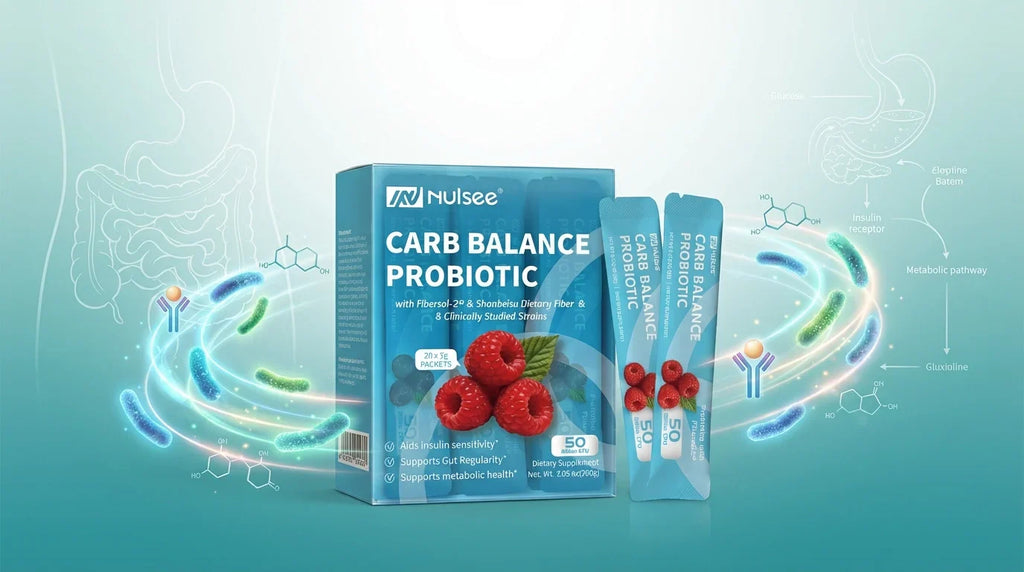
The rigorous evaluation frameworks established by the FDA, EFSA, and other regulatory authorities ensure that dietary fiber claims are supported by credible scientific evidence of genuine health benefits. These systems protect consumers from misleading claims while fostering innovation in functional food development. Products like Nulsee Carb Balance Probiotic that incorporate approved fibers such as Fibersol-2® benefit from the confidence that regulatory oversight provides to both consumers and healthcare professionals.
As research continues to reveal new mechanisms by which non-digestible carbohydrates influence health—from microbiome modulation to metabolic regulation—regulatory approaches will evolve to incorporate this expanding knowledge. The future of NDC evaluation will likely embrace more sophisticated understanding of individual variation, mechanistic pathways, and long-term health outcomes, while maintaining the fundamental commitment to evidence-based standards that protect public health and promote transparency in nutrition labeling and health communications.
Understanding how authorities evaluate these important dietary components empowers consumers to make informed choices and enables manufacturers to develop fiber-enriched products supported by solid scientific foundations. The regulatory frameworks described in this article represent decades of scientific advancement and policy development, creating systems that balance innovation, consumer protection, and public health promotion.
Related Resources:
- FDA Review of Scientific Evidence on Non-Digestible Carbohydrates
- FDA Authorized Health Claims
- EFSA Health Claims Guidance
- Fibersol-2 Clinical Evidence
FDA Disclaimer: The statements in this article have not been evaluated by the Food and Drug Administration. Products containing soluble corn fiber are not intended to diagnose, treat, cure, or prevent any disease. Always consult with a healthcare professional before starting any new dietary supplement regimen.
Related post

RECENT POSTS