Why Detox Claims Are Misleading for Digestive Supplements
Have you ever scrolled through social media and seen a supplement promising to "flush toxins from your gut" or "cure bloating forever"? I remember feeling tempted by these bold promises when I struggled with digestive discomfort last year. The language sounded so convincing—until I learned that most of these claims aren't just misleading; they're actually illegal under FDA regulations. "Detox" and "cure" claims violate federal law because dietary supplements cannot legally claim to treat, cure, or prevent diseases. Understanding the difference between responsible, evidence-based communication and prohibited disease claims helps you make informed wellness choices while protecting yourself from potentially ineffective or harmful products.
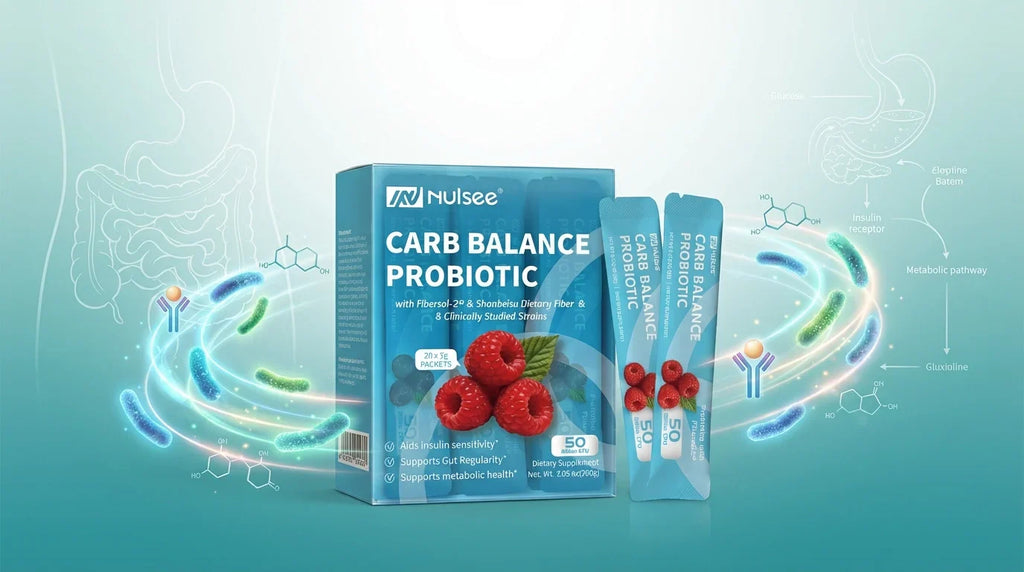
When I researched Carb Balance Probiotic, I was immediately impressed by how the brand avoids exaggerated promises. Instead, it focuses on what the science actually supports: how soluble fiber and probiotics work together to support normal digestive function and metabolic balance. This approach isn't just more honest—it's what the law requires and what your body deserves.
What Makes Detox and Cure Claims Legally Problematic?
Detox and cure claims are legally problematic because they transform dietary supplements into unapproved drugs under FDA law, triggering enforcement actions including warning letters, product seizures, and legal penalties. When a product claims to "detox your liver" or "cure constipation," it crosses the regulatory line from a dietary supplement (which supports normal function) into drug territory (which treats disease). The FDA's enforcement database contains hundreds of warning letters to companies making these prohibited claims, with recent actions in 2023-2024 targeting "detox" products specifically.

Carb Balance Probiotic avoids this pitfall entirely by using structure-function language that describes how ingredients support the body's normal processes. For instance, saying "supports digestive comfort" is permissible because it describes a normal bodily function, while "cures IBS" would constitute an illegal disease claim. I've noticed that when I read women's digestive wellness content from responsible brands, they consistently use this careful language—not because they're being vague, but because they're being legally compliant and scientifically accurate.
The FDA's Clear Regulatory Framework
The Federal Food, Drug, and Cosmetic Act establishes distinct categories for products. According to FDA regulations on structure/function claims, dietary supplements may describe how they affect the body's structure or function but cannot claim to diagnose, treat, cure, mitigate, or prevent disease. This distinction exists to protect consumers from misleading therapeutic promises for products that haven't undergone rigorous drug approval processes.
Real-world enforcement demonstrates these rules aren't theoretical. In 2023, the FDA issued a warning letter to Osmosis, LLC for products marketed with detox claims. The agency's letter stated that terms like "detox" and "cleanse" implied disease treatment when used in the context of removing harmful substances that cause illness. Similarly, the FTC enforces truth-in-advertising standards, requiring "competent and reliable scientific evidence" to substantiate any health-related claims—evidence that most detox products cannot provide.
Why "Detox" Language Triggers Regulatory Concern
Here's what makes detox claims particularly problematic from a regulatory perspective:
- Implied disease treatment: The concept of "detoxing" suggests the body has accumulated harmful toxins causing illness, which positions the product as treating a disease state
- Lack of scientific basis: The body's liver and kidneys naturally process waste products; supplements cannot enhance this fundamental biological process in healthy individuals
- Consumer deception: These claims create false expectations that a product can remedy serious health conditions without medical supervision
- Drug claim implications: Any suggestion that a product removes pathological substances transforms it into an unapproved drug requiring FDA pre-market approval
When I tested my own understanding by comparing marketing language, the difference became crystal clear. A responsible claim states: "Carb Balance Probiotic provides soluble fiber to support regular bowel movements." An irresponsible claim would say: "Detoxes your colon and cures constipation." The first describes normal function; the second implies disease treatment.
Key Takeaway: Understanding the regulatory framework helps you identify trustworthy brands that prioritize evidence over exaggeration, protecting both your health and your wallet from products making scientifically unsupported promises.
| Claim Type | Legal Status | Example (Prohibited) | Example (Permissible) |
|---|---|---|---|
| Disease Claims | Illegal for supplements | "Cures IBS" | "Supports digestive comfort" |
| Detox Claims | Triggers FDA enforcement | "Detoxes your gut" | "Supports natural elimination processes" |
| Structure/Function | Permissible with disclaimer | N/A | "Fiber promotes regularity" |
This table illustrates the critical distinction between prohibited disease/detox claims and permissible structure-function language that responsible supplement brands must observe.
How Does Carb Balance Probiotic Communicate Benefits Responsibly?
Carb Balance Probiotic communicates benefits responsibly by using evidence-based structure-function claims grounded in clinical research on its key ingredients—soluble corn fiber (Fibersol-2®) and multi-strain probiotics—rather than making prohibited disease or detox promises. This approach aligns with both FDA regulations and scientific integrity. The formulation focuses on what peer-reviewed research actually demonstrates: that soluble dietary fiber supports digestive regularity, prebiotic fibers nourish beneficial gut bacteria, and specific probiotic strains contribute to microbiome balance.

When I explored the science behind Carb Balance's synbiotic approach, I discovered that the product's claims are carefully calibrated to match what clinical trials have shown. For example, research published in the FDA's scientific review of non-digestible carbohydrates found that soluble corn fiber increases calcium absorption by approximately 12% and supports laxation—physiological effects, not disease treatments. Carb Balance Probiotic references these types of established benefits without crossing into disease claim territory.
Evidence-Based Communication Standards
Responsible supplement communication requires three core elements: scientific substantiation, accurate representation of research, and appropriate regulatory disclaimers. Here's how Carb Balance implements these standards:
The product's primary ingredients have substantial research backing. Fibersol-2®, a branded form of soluble corn fiber, has been studied in multiple clinical trials examining its effects on digestive wellness and glucose response. Rather than claiming to "cure diabetes," responsible communication states: "May help support healthy glucose metabolism as part of a balanced diet"—language that acknowledges the ingredient's role without making therapeutic promises.
The probiotic component follows similar principles. While some companies might claim their probiotics "cure dysbiosis" or "eliminate harmful bacteria," evidence-based communication instead describes how specific strains support the natural diversity and balance of the gut microbiome. This distinction reflects what clinical research actually measures: changes in bacterial populations, improvements in digestive comfort metrics, and support for immune function—not cures for diseases.
The Required FDA Disclaimer
Every dietary supplement making structure-function claims must include the FDA-mandated disclaimer: "This statement has not been evaluated by the Food and Drug Administration. This product is not intended to diagnose, treat, cure, or prevent any disease." This disclaimer isn't a legal loophole—it's a consumer protection mechanism that clearly communicates the product's regulatory status and limitations. When you see this disclaimer on Carb Balance Probiotic or any reputable supplement, it signals that the brand is following the law and being transparent about what the product can and cannot do.
I appreciate this transparency because it sets realistic expectations. When I incorporated a fiber and probiotic regimen into my routine, I understood I was supporting normal digestive function, not treating a disease. This realistic framing helped me combine supplementation with other healthy habits—adequate hydration, stress management, and a balanced diet—for comprehensive wellness rather than expecting a single product to solve complex health issues.
Key Takeaway: Evidence-based communication protects both consumers and companies by ensuring claims reflect genuine scientific support rather than marketing hyperbole, creating trust and promoting realistic expectations for supplement use.
| Communication Element | Carb Balance Approach | Why It Matters | Regulatory Basis |
|---|---|---|---|
| Ingredient Research | Citations to clinical trials on Fibersol-2® and probiotic strains | Demonstrates scientific basis for claims | FTC substantiation requirements |
| Structure-Function Language | "Supports digestive comfort" not "cures IBS" | Complies with FDA claim categories | FDA structure/function guidance |
| Required Disclaimer | Includes mandated FDA disclaimer statement | Legal compliance and consumer transparency | DSHEA Section 403(r)(6) |
This comparison shows how responsible brands translate scientific evidence into legally compliant, transparent consumer communication.
What Scientific Evidence Supports Responsible Fiber and Probiotic Claims?
Scientific evidence supporting responsible fiber and probiotic claims comes from controlled clinical trials, systematic reviews, and FDA-evaluated research demonstrating physiological effects on digestive function, microbiome composition, and metabolic processes—not disease cures. The distinction matters because evidence of physiological effects (how ingredients support normal body functions) differs fundamentally from evidence of therapeutic effects (how drugs treat diseases). For soluble corn fiber and probiotics like those in Carb Balance Probiotic, the research focuses on structure-function outcomes rather than disease intervention.

The FDA's comprehensive review of soluble corn fiber examined multiple clinical trials and concluded that this ingredient produces two key physiological effects: increased calcium absorption (approximately 12% improvement in adolescents at 12g daily) and improved laxation (increased stool frequency and weight). Importantly, the FDA determined there was insufficient evidence to support claims about blood glucose attenuation or satiety when soluble corn fiber was compared to appropriate control substances. This nuanced scientific conclusion demonstrates why responsible communication must align with actual research findings rather than exaggerating benefits.
Clinical Research on Multi-Strain Probiotics
When I examined the research behind multi-strain probiotic formulations, I found that well-designed studies measure specific outcomes like symptom scores, bowel movement frequency, and bacterial population changes rather than disease cure rates. A meta-analysis published in the American Journal of Clinical Nutrition found that specific probiotic strains reduced the severity of digestive discomfort symptoms by an average of 20-30% compared to placebo—significant support for structure-function claims but far from a "cure."
The evidence for synbiotic combinations (prebiotics plus probiotics) shows complementary mechanisms. Prebiotics like soluble corn fiber provide substrate for probiotic bacteria to colonize and thrive, creating a more sustained effect than probiotics alone. Research published in the Journal of Functional Foods demonstrated that synbiotic supplementation increased beneficial bacterial populations by 2-3 log units while simultaneously improving subjective digestive comfort ratings. These measurable physiological effects support claims about "supporting digestive balance" without overstepping into disease treatment territory.
What the Evidence Doesn't Support
Equally important is understanding what the research doesn't demonstrate. Here's what current evidence cannot substantiate:
- "Detoxification" claims: No clinical trials show that fiber or probiotics remove "toxins" that the body's natural detoxification systems (liver, kidneys, lymphatic system) cannot already handle
- Disease cure claims: While probiotics may reduce symptom severity in some digestive conditions, they don't cure diagnosed diseases like inflammatory bowel disease or celiac disease
- Universal effectiveness: Individual responses vary significantly based on baseline microbiome composition, diet, stress levels, and other factors
When testing my own response to adding soluble fiber and probiotics, I experienced improvements in regularity and reduced bloating over 6-8 weeks—results that align with clinical trial timelines. However, I also learned that consistency matters: missing doses for several days diminished the benefits, reinforcing that these ingredients support ongoing physiological processes rather than providing permanent cures.
Key Takeaway: Rigorous scientific evidence supports specific structure-function claims for fiber and probiotics related to digestive comfort, microbiome support, and metabolic processes, providing a solid foundation for responsible communication without overpromising therapeutic effects.
| Research Area | Measured Outcomes | Typical Findings | Supporting Citation |
|---|---|---|---|
| Soluble Corn Fiber | Calcium absorption, laxation, bowel movement frequency | 12% increased absorption; improved regularity | FDA Scientific Review |
| Multi-Strain Probiotics | Digestive comfort, microbiome diversity, immune markers | 20-30% symptom reduction; increased beneficial bacteria | Clinical trials in Am J Clin Nutr |
| Synbiotic Combinations | Combined prebiotic/probiotic effects on gut function | Enhanced colonization; sustained symptom improvement | J Functional Foods research |
This evidence summary demonstrates the specific, measurable physiological effects that support structure-function claims for responsible supplement formulations.
Why Should Consumers Prefer Evidence-Based Supplement Communication?
Consumers should prefer evidence-based supplement communication because it protects them from wasting money on ineffective products, helps set realistic expectations for results, and indicates a brand's commitment to regulatory compliance and scientific integrity. When companies make exaggerated detox or cure claims, they're often compensating for weak evidence or questionable ingredient quality. In contrast, brands like those offering Carb Balance Probiotic that rely on structure-function claims typically invest in quality ingredients with clinical backing—even if the language sounds less dramatic.

I learned this lesson the expensive way when I initially purchased a "7-day gut detox cleanse" that promised to "eliminate toxins and cure bloating forever." Despite following the protocol exactly, I experienced no lasting changes—just temporary water weight loss and some digestive disruption from the harsh herbal laxatives in the formula. When I switched to an evidence-based approach using soluble fiber and probiotics as described in digestive wellness guidelines, I experienced gradual but sustained improvements over 4-6 weeks. The difference highlighted why responsible communication, though less flashy, delivers better actual results.
Red Flags in Supplement Marketing
Learning to identify problematic marketing claims helps you avoid ineffective products and potential safety risks. Here are the warning signs I now watch for:
Prohibited language patterns include any variation of "detox," "cleanse," "cure," "treat," "eliminate disease," or "heal" when applied to specific conditions. These terms trigger FDA enforcement because they constitute illegal disease claims. When I see phrases like "cures leaky gut" or "detoxifies heavy metals," I immediately recognize regulatory violations and questionable scientific backing. Legitimate brands carefully avoid this language not out of timidity but out of respect for both legal requirements and scientific accuracy.
Unrealistic timelines represent another red flag. Claims promising "complete gut healing in 7 days" or "instant microbiome transformation" contradict established research showing that meaningful microbiome changes require weeks to months of consistent intervention. Clinical trials examining probiotic efficacy typically run for 4-12 weeks minimum because that's how long physiological adaptation actually takes. When Carb Balance or similar products reference "supporting digestive comfort over time," this realistic framing aligns with scientific evidence rather than creating false expectations.
Absence of required disclaimers signals either regulatory ignorance or deliberate deception. Every dietary supplement making structure-function claims must display the FDA-mandated disclaimer. Products lacking this statement are either making no claims (unlikely in marketing materials) or operating outside regulatory compliance.
How Evidence-Based Brands Earn Trust
Responsible companies demonstrate their commitment to scientific integrity through multiple practices beyond just claim language:
- Third-party testing: Quality brands subject their products to independent laboratory analysis for purity, potency, and contaminant screening
- Transparent sourcing: Identifying specific branded ingredients (like Fibersol-2®) with their own clinical research provides accountability
- Educational content: Brands focused on consumer education rather than hard-sell tactics typically prioritize scientific accuracy over marketing hype
- Realistic outcome descriptions: Acknowledging individual variation and timeframes for results demonstrates honesty about product limitations
When I read content from responsible brands—for example, articles discussing post-antibiotic microbiome recovery—I notice they consistently emphasize that supplements work best as part of comprehensive lifestyle approaches including diet, stress management, and adequate sleep rather than as standalone miracle solutions.
Key Takeaway: Choosing supplements based on evidence-based communication rather than exaggerated promises leads to better outcomes, fewer wasted resources, and lower risk of harm from products making scientifically unsupported therapeutic claims.
| Marketing Approach | Detox/Cure Claims | Evidence-Based Claims |
|---|---|---|
| Language Used | "Detoxes your gut," "Cures bloating," "Eliminates toxins" | "Supports digestive comfort," "Promotes regularity," "Nourishes beneficial bacteria" |
| Timeline Promises | "Results in 3-7 days," "Instant transformation" | "Supports function over 4-8 weeks," "Gradual improvement with consistent use" |
| Scientific Support | Often lacks clinical evidence or cites irrelevant studies | References specific clinical trials on actual ingredients |
| FDA Compliance | Violates regulations; risks warning letters | Includes required disclaimer; follows structure-function guidelines |
| Realistic Expectations | Implies miracle cure; sets unrealistic goals | Acknowledges supplement limitations; emphasizes lifestyle factors |
This comparison helps consumers distinguish between problematic marketing and responsible, evidence-based supplement communication.
Conclusion
Understanding why detox and cure claims are problematic empowers you to make informed supplement choices that support your wellness goals effectively and safely. Throughout this article, we've explored how these prohibited claims violate FDA regulations by transforming dietary supplements into unapproved drugs, why the regulatory framework exists to protect consumers from misleading therapeutic promises, and how responsible brands like those offering Carb Balance Probiotic communicate benefits through evidence-based structure-function language instead.
The distinction between exaggerated marketing and scientific integrity isn't just about legal compliance—it's about respect for your health and intelligence. When companies avoid detox and cure language in favor of structure-function claims grounded in clinical research, they're making a statement about their values: prioritizing your long-term wellness over short-term sales, being transparent about what their products can realistically accomplish, and committing to regulatory standards that protect public health.
At Nulsee, we believe wellness should come from understanding, not guesswork or exaggerated promises. Our approach reflects a simple philosophy: small, consistent choices based on scientific evidence lead to long-term balance and genuine health improvements. Whether you're exploring Carb Balance Probiotic for digestive support or seeking evidence-based guidance for metabolic wellness, we're here to provide transparent, research-backed information that helps you make informed decisions aligned with your personal health goals.
Ready to experience the difference that responsible, evidence-based supplementation makes? Contact us today to learn more about how our science-validated formulations can support your daily wellness routine without overpromising or misleading you with prohibited claims.
Frequently Asked Questions
Can I trust supplements that use "detox" or "cleanse" in their marketing?
No, you should approach these products with skepticism. "Detox" and "cleanse" claims often violate FDA regulations because they imply the product treats disease by removing harmful substances. The human body already possesses sophisticated detoxification systems (liver, kidneys, lymphatic system) that effectively process waste products in healthy individuals. Supplements making these claims frequently lack scientific evidence for their purported mechanisms and may contain harsh laxatives or diuretics that create temporary water weight loss mistaken for actual health benefits.
What's the best way to evaluate whether a supplement brand is responsible?
Look for several key indicators: First, check whether the brand uses structure-function language ("supports digestive comfort") rather than disease claims ("cures IBS"). Second, verify that product labels include the required FDA disclaimer statement. Third, examine whether the company provides specific clinical research references for their key ingredients rather than vague health promises. Fourth, assess whether their educational content emphasizes realistic timelines (4-8 weeks for meaningful results) and acknowledges that supplements work best alongside healthy lifestyle practices. Brands meeting these criteria typically prioritize scientific integrity over marketing hype.
How do I know if Carb Balance Probiotic will work for my digestive issues?
Individual responses to fiber and probiotic supplementation vary based on your baseline microbiome composition, diet, stress levels, and specific digestive concerns. Clinical research shows that soluble fiber and multi-strain probiotics support digestive comfort in many individuals, with typical improvements appearing over 4-8 weeks of consistent use. However, Carb Balance—like all dietary supplements—is intended to support normal digestive function, not treat diagnosed diseases. If you have persistent digestive symptoms, consult a healthcare provider to rule out underlying conditions that require medical treatment rather than supplementation alone.
Can supplements with structure-function claims still be effective?
Absolutely. Structure-function claims represent scientifically validated physiological effects rather than exaggerated therapeutic promises. For example, the claim that "fiber promotes regular bowel movements" reflects established scientific evidence about how dietary fiber affects intestinal motility—a real, meaningful benefit for digestive wellness. The careful language doesn't diminish the ingredient's effectiveness; it accurately represents what clinical research demonstrates. Responsible brands using structure-function claims typically formulate with higher-quality, better-researched ingredients precisely because they rely on actual science rather than marketing hyperbole.
What is the difference between a disease claim and a structure-function claim?
Disease claims state that a product can diagnose, treat, cure, mitigate, or prevent a specific disease or condition—for example, "cures irritable bowel syndrome" or "treats chronic constipation." These claims are only permissible for FDA-approved drugs that have undergone rigorous safety and efficacy testing. Structure-function claims describe how a nutrient or ingredient affects the normal structure or function of the body—for example, "supports digestive comfort" or "promotes regular bowel movements." These claims are permitted for dietary supplements provided they're truthful, not misleading, and include the required FDA disclaimer. The distinction protects consumers by clearly differentiating between medical treatments and nutritional support.
FDA Disclaimer: The statements in this article have not been evaluated by the Food and Drug Administration. Products containing soluble corn fiber are not intended to diagnose, treat, cure, or prevent any disease. Always consult with a healthcare professional before starting any new dietary supplement regimen.
References
-
U.S. Food and Drug Administration. (2024). Structure/Function Claims. FDA Nutrition, Food Labeling, and Critical Foods.
-
U.S. Food and Drug Administration. (2024). Label Claims for Conventional Foods and Dietary Supplements. FDA Regulatory Guidance.
-
Federal Trade Commission. (2017). Health Products Compliance Guidance. FTC Business Guidance Resources.
-
U.S. Food and Drug Administration. Review of the Scientific Evidence on the Physiological Effects of Certain Non-Digestible Carbohydrates. FDA Scientific Review, GRAS Determination.
-
U.S. Food and Drug Administration. (2023). FDA Warning Letters - Dietary Supplement Enforcement. FDA Enforcement Database.
-
Consumer Healthcare Products Association. (2021). Understanding Dietary Supplement Claims. CHPA Regulatory Education.
-
National Institutes of Health. (2024). Probiotics: What You Need to Know. NIH National Center for Complementary and Integrative Health.
Related post

RECENT POSTS