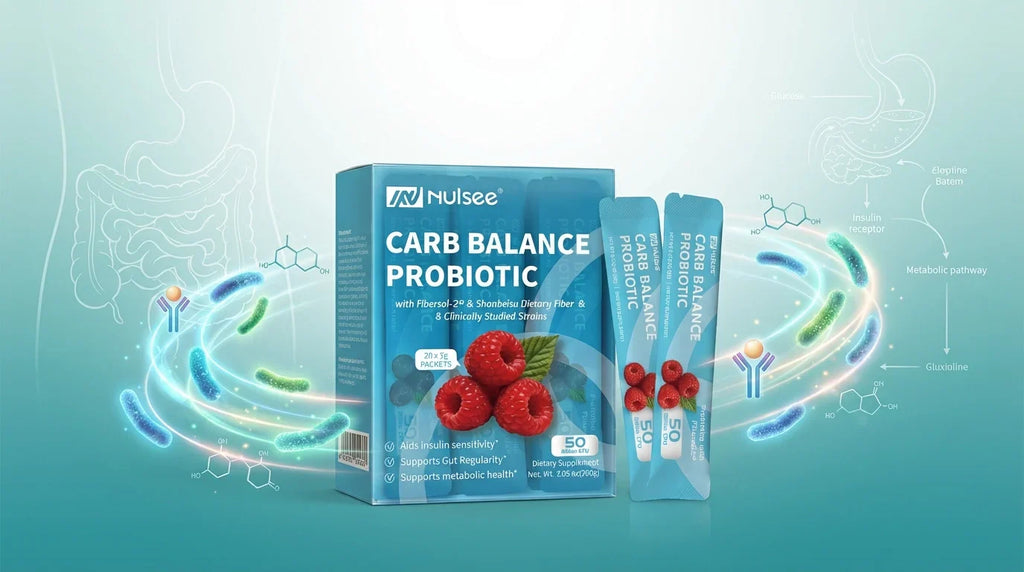
Probiotic Fiber Cuts Body Weight 12% in 90-Day Clinical Study
You've tried cutting calories. You've pushed through workout routines. Yet the scale barely moves, and worse—you feel constantly hungry, bloated, and exhausted. Sound familiar? Traditional weight management approaches often overlook a critical factor: your gut microbiome. Recent clinical research demonstrates that combining specific probiotic strains with prebiotic fibers addresses the root metabolic imbalances driving weight gain. This approach doesn't just suppress symptoms—it rebalances your internal ecosystem for lasting results.
Scientific evidence now shows probiotic fiber formulations can reduce body weight by over 12% within 90 days while improving digestive comfort and metabolic markers. Here's what makes this different: instead of fighting against your body's natural processes, you're working with your gut bacteria to restore balance.
Can Probiotic Fiber Really Support Weight Loss?
Yes—clinical trials demonstrate probiotic fiber effectively supports weight management through multiple biological mechanisms. A randomized, placebo-controlled study published in Cureus (2025) evaluated 104 obese adults receiving either a probiotic fiber blend or placebo for 90 days. Results showed the probiotic fiber group achieved 12.01% body weight reduction compared to just 3.52% in placebo participants.

But here's what really matters:
Weight loss wasn't the only benefit. Participants experienced significant improvements across multiple health markers including BMI reduction (12.14%), waist circumference decrease (9.64%), and notable drops in triglycerides (25.75%). The intervention group also reported 37.62% reduction in perceived stress levels—a factor closely linked to weight gain through cortisol elevation.
How Probiotic Fiber Changes Your Metabolism
Probiotic fiber works by modulating gut bacteria composition and function. When beneficial strains like Bifidobacterium and Lactobacillus ferment prebiotic fibers, they produce short-chain fatty acids (SCFAs), particularly butyrate. These compounds signal satiety hormones including glucagon-like peptide-1 (GLP-1), which regulates appetite and glucose metabolism.
The science breaks down like this: soluble fibers like Fibersol-2 serve as food for probiotic bacteria. As these microbes metabolize fiber, they create metabolic byproducts that influence energy extraction from food, fat storage signals, and inflammatory responses—all factors determining body weight.
What the Trial Data Actually Shows
The 2025 multicenter trial tracked anthropometric measurements at 30-day intervals. By day 30, probiotic fiber participants lost 4.15 kg (4.84%). This progressive pattern continued: 6.86 kg (7.99%) by day 60, reaching 10.31 kg (12.01%) by day 90. Placebo participants showed minimal change throughout (3.01 kg total over 90 days).
Beyond weight, body fat percentage declined 26.73% in the intervention group versus only 7.50% in placebo. This suggests preferential fat mass loss rather than lean tissue reduction—a critical distinction for healthy weight management.
Key Takeaway: Clinical evidence supports probiotic fiber for weight management through documented metabolic improvements, not just temporary water weight loss. These formulations address underlying gut dysbiosis contributing to obesity and metabolic syndrome.
| Measurement | Probiotic Fiber Group | Placebo Group | Statistical Significance |
|---|---|---|---|
| Body Weight Change | -12.01% (-10.31 kg) | -3.52% (-3.01 kg) | p < 0.001 |
| BMI Reduction | -12.14% | -3.53% | p < 0.001 |
| Waist Circumference | -9.64% (-10.16 cm) | -2.74% (-2.79 cm) | p < 0.001 |
| Body Fat Percentage | -26.73% | -7.50% | p < 0.001 |
How Does Probiotic Fiber Improve Metabolic Health Markers?
Probiotic fiber combinations improve metabolic health by targeting multiple pathways simultaneously: lipid metabolism, glucose regulation, and inflammatory signaling. The clinical trial revealed significant biochemical improvements beyond weight reduction alone.

What changes can you expect?
Lipid profile improvements appeared substantial and statistically significant. Total cholesterol dropped 15.26% in the probiotic fiber group versus 6.62% in placebo. More importantly, triglycerides—a key cardiovascular risk marker—decreased 25.75% compared to minimal placebo change (6.65%). HDL cholesterol, the "good" cholesterol, increased 16.55%, while LDL "bad" cholesterol fell 23.92%.
Understanding the Metabolic Syndrome Z-Score
Researchers used the MetS-Z score, a composite measure integrating waist circumference, triglycerides, HDL cholesterol, blood pressure, and fasting glucose. This metric quantifies overall metabolic syndrome severity with higher scores indicating worse metabolic health.
Here's where results get impressive: The probiotic fiber group achieved 54.02% MetS-Z score reduction by day 90, compared to 18.88% in placebo participants. This dramatic improvement suggests fundamental metabolic rebalancing, not just isolated parameter changes.
The Gut-Metabolism Connection
Gut dysbiosis—microbial imbalance—drives metabolic dysfunction through several mechanisms. Certain bacterial populations increase energy harvest from food, promoting fat storage. Others trigger low-grade inflammation that impairs insulin signaling. Dysbiosis also weakens intestinal barrier integrity, allowing inflammatory compounds into circulation.
Probiotic fiber interventions counter these processes. Beneficial strains restore microbial diversity while fibers provide substrate for SCFA production. Butyrate specifically strengthens gut barrier function and modulates inflammatory responses. This multi-pronged approach explains why probiotic fiber affects multiple metabolic markers simultaneously.
Key Takeaway: Metabolic improvements from probiotic fiber extend beyond weight alone, addressing cardiovascular risk factors and systemic inflammation through gut microbiome modulation. These changes suggest long-term health benefits beyond cosmetic weight loss.
| Biochemical Marker | Probiotic Fiber Change | Placebo Change | Clinical Significance |
|---|---|---|---|
| Total Cholesterol | -15.26% | -6.62% | Reduced cardiovascular risk |
| Triglycerides | -25.75% | -6.65% | Major improvement in lipid profile |
| HDL Cholesterol | +16.55% | +2.86% | Enhanced cardiovascular protection |
| LDL Cholesterol | -23.92% | -8.92% | Decreased atherosclerosis risk |
| MetS-Z Score | -54.02% | -18.88% | Metabolic syndrome reversal |
Source: Probiotic-Fiber Blend Clinical Trial - PMC12092963
What Specific Probiotic Strains Work Best for Weight Management?
The most effective probiotic fiber combinations for weight management include Bifidobacterium animalis subsp. lactis, Lactobacillus gasseri, Bifidobacterium longum, Bifidobacterium bifidum, Bifidobacterium breve, and Lactobacillus reuteri. The clinical trial formulation delivered 16 billion colony-forming units (CFUs) daily alongside 8 grams of soluble fiber.

Not all probiotics affect weight equally.
Research shows strain-specific effects on metabolism. Lactobacillus gasseri demonstrates particular promise for visceral fat reduction. Studies indicate this strain may reduce abdominal adiposity through mechanisms involving bile acid metabolism and fat absorption regulation. Meanwhile, Bifidobacterium species primarily influence glucose homeostasis and gut barrier integrity.
The Importance of Fiber Synergy
Probiotics alone produce limited effects without adequate prebiotic substrate. The trial formulation included multiple fiber types: fructooligosaccharides (FOS), inulin, glucomannan, and wheat dextrin. This diversity ensures different bacterial populations receive appropriate nutrition.
Here's why fiber diversity matters: Different bacterial species preferentially ferment specific fiber types. FOS supports Bifidobacterium growth, while inulin feeds various butyrate-producing species. Glucomannan adds viscosity, slowing gastric emptying and enhancing satiety. This multi-fiber approach creates comprehensive microbiome support.
Beyond Probiotics: Metabolic Enhancers
The studied formulation included L-carnitine and chromium picolinate alongside probiotic fiber. L-carnitine facilitates fatty acid transport into mitochondria for energy production, potentially enhancing fat metabolism. Chromium supports insulin function, improving glucose uptake and reducing blood sugar fluctuations that trigger hunger.
Key Takeaway: Effective weight management formulations combine multiple probiotic strains with diverse fiber sources and metabolic cofactors. This comprehensive approach addresses various aspects of metabolic dysfunction more effectively than single-ingredient interventions.
How Do Digestive Symptoms Change with Probiotic Fiber?
Probiotic fiber interventions produce rapid and sustained improvements in digestive comfort alongside weight management benefits. Trial participants reported dramatic symptom reductions across multiple measures including acidity, bloating, bowel regularity, hunger, and satiety.

The improvements start quickly.
Acidity severity decreased 91.67% in the probiotic fiber group versus only 24.07% in placebo by day 90. Nearly 2.5 times more intervention participants achieved complete symptom resolution (49 versus 20). Bloating reduction proved even more substantial: 92.19% improvement compared to 39.39% in placebo, with consistent relief rather than fluctuating symptoms.
Understanding the Gut-Appetite Axis
Perhaps most relevant for weight management, hunger and satiety scores changed dramatically. Hunger ratings dropped 95.57% in the probiotic fiber group while placebo participants showed negligible change (0.79%). Satiety improved 386.60% with intervention versus no significant placebo change.
This creates a virtuous cycle: Reduced hunger naturally decreases caloric intake without conscious restriction. Improved satiety means you feel satisfied with appropriate portions. These changes make sustainable eating patterns easier to maintain long-term compared to willpower-dependent restriction diets.
Cravings and Food Control
Food cravings declined 91.96% in the probiotic fiber group compared to only 8.80% in placebo. This suggests microbiome-mediated changes in neurotransmitter production and gut-brain signaling. Certain beneficial bacteria produce compounds influencing dopamine and serotonin pathways involved in food reward and craving intensity.
Bowel movement normalization reached 90% in the intervention group versus 37.84% in placebo. Regular elimination prevents toxin reabsorption and reduces inflammatory signals that can impair metabolic function. Consistent bowel function also improves overall comfort and quality of life.
Key Takeaway: Digestive improvements from probiotic fiber extend beyond discomfort relief, fundamentally altering appetite regulation and eating behavior patterns that determine long-term weight management success. For additional digestive health insights, explore our guide on medical guidelines for probiotics.
| Digestive Measure | Probiotic Fiber Improvement | Placebo Improvement | Outcome |
|---|---|---|---|
| Acidity Severity | -91.67% | -24.07% | Near-complete resolution |
| Bloating | -92.19% | -39.39% | Sustained relief |
| Bowel Regularity | 90% normalized | 37.84% normalized | Consistent function |
| Food Cravings | -91.96% | -8.80% | Enhanced control |
| Hunger Score | -95.57% | -0.79% | Natural intake reduction |
| Satiety Score | +386.60% | No change | Lasting fullness |
What About Quality of Life and Stress Reduction?
Quality of life improvements proved equally impressive as physical measurements. The Impact of Weight on Quality of Life-Lite (IWQOL-Lite) assessment tracked five domains: physical function, self-esteem, sexual life, public distress, and work-related quality of life. Probiotic fiber participants showed significant improvements across all categories.

The changes affect daily living.
Physical function scores improved 79.97% in the intervention group versus only 16.16% in placebo. This reflects enhanced mobility, reduced physical limitations, and improved energy for daily activities. Self-esteem increased 81.59% compared to 12.81% in placebo, addressing psychological aspects often overlooked in weight management.
The Stress-Weight Connection
The Perceived Stress Scale-10 (PSS-10) revealed 37.62% stress reduction with probiotic fiber versus 17.80% in placebo. This connection matters significantly for weight management because chronic stress activates the hypothalamic-pituitary-adrenal (HPA) axis, elevating cortisol levels that promote abdominal fat storage and increase appetite.
Here's the gut-brain mechanism: Gut bacteria produce neurotransmitter precursors and signaling molecules affecting mood and stress responses. The gut-brain axis allows bidirectional communication where microbiome composition influences central nervous system function. Improving gut microbial balance may reduce stress perception and cortisol-driven weight gain.
Social and Professional Impacts
Public distress decreased 44.33% in the probiotic fiber group versus 11.14% in placebo, indicating reduced weight-related social anxiety. Work quality of life improved 68.42% compared to just 0.89% in placebo, suggesting enhanced professional functioning and productivity.
These psychological and social improvements create positive feedback loops. Reduced stress decreases stress-eating behaviors. Improved self-esteem increases motivation for healthy choices. Better physical function makes activity more enjoyable and sustainable.
Key Takeaway: Probiotic fiber benefits extend beyond physical health metrics into psychological well-being and social functioning. This holistic improvement pattern suggests comprehensive lifestyle enhancement rather than narrow weight-focused outcomes.
Conclusion
The clinical evidence demonstrates probiotic fiber formulations deliver meaningful, measurable improvements in weight management through multi-system metabolic rebalancing. Trial results showed 12% body weight reduction, 54% metabolic syndrome score improvement, and dramatic enhancements in digestive comfort and quality of life—all within 90 days.
What does this mean for you? These findings validate an approach addressing root causes of metabolic dysfunction rather than symptom suppression. By restoring gut microbiome balance through targeted probiotic strains and prebiotic fibers, you support your body's natural regulatory systems for weight, appetite, and metabolic health.
The combination of specific bacterial strains (Bifidobacterium and Lactobacillus species), diverse soluble fibers, and metabolic cofactors creates synergistic effects impossible with single interventions. This comprehensive strategy explains why participants achieved results across multiple health domains simultaneously—weight loss, improved lipids, reduced inflammation, better digestion, and enhanced psychological well-being.
We believe sustainable weight management requires working with your biology, not against it. Gut microbiome optimization represents a science-based pathway toward lasting metabolic health and comfortable body weight. Ready to experience these benefits yourself? Contact us to learn how probiotic fiber formulations can support your wellness goals.
FAQ
Q1: Can I use probiotic fiber if I have diabetes or blood sugar concerns?
Yes, you may benefit significantly. Clinical trials show probiotic fiber improves glucose metabolism and insulin sensitivity. However, always consult your healthcare provider before starting any supplement regimen, especially if you take diabetes medications that may require dosage adjustment as your blood sugar improves.
Q2: How long before I see weight management results from probiotic fiber?
Most people notice digestive improvements within 1-2 weeks. Measurable weight changes typically appear by 30 days, with progressive results continuing through 90 days as your gut microbiome rebalances. The trial showed 4.84% weight loss by day 30, reaching 12.01% by day 90.
Q3: What's the best time of day to take probiotic fiber supplements?
Take probiotic fiber consistently at the same time daily for optimal results. Many prefer morning intake with water before breakfast, allowing fibers to promote satiety throughout the day. The trial protocol used once-daily dosing dissolved in 200 mL water.
Q4: Will I regain weight after stopping probiotic fiber supplements?
Sustainable results require ongoing microbiome support. While stopping won't cause immediate weight rebound like stimulant-based products, maintaining beneficial bacterial populations through continued probiotic fiber intake or high-fiber diet helps preserve metabolic improvements long-term.
Q5: Can probiotic fiber replace diet and exercise for weight management?
No supplement replaces healthy lifestyle foundations. Trial participants received lifestyle counseling alongside probiotic fiber supplementation. The combination of microbiome support, balanced nutrition, and regular physical activity produces superior results than any single approach alone.
References
-
Impact of a Probiotic-Fiber Blend on Body Weight, Metabolic Regulation, and Digestive Function in Obese Adults: A Randomized, Placebo-Controlled, Multicentric Trial. Cureus. 2025 Apr 20;17(4):e82613. https://pubmed.ncbi.nlm.nih.gov/40400804/
-
Full text: Impact of a Probiotic-Fiber Blend on Body Weight, Metabolic Regulation, and Digestive Function in Obese Adults. PMC. 2025. https://pmc.ncbi.nlm.nih.gov/articles/PMC12092963/
-
Metabolic Syndrome Severity Z-Score Calculator. University of Florida Health Outcomes & Policy. http://mets.health-outcomes-policy.ufl.edu/calculator/
FDA Disclaimer: The statements in this article have not been evaluated by the Food and Drug Administration. Products containing soluble corn fiber are not intended to diagnose, treat, cure, or prevent any disease. Always consult with a healthcare professional before starting any new dietary supplement regimen.
Related post

RECENT POSTS