How Inulin and Probiotics Work Together for Gut Health
You feel bloated after meals, sluggish by midday, and constantly battling digestive discomfort. Traditional probiotics didn't work, and increasing fiber alone made things worse. Here's what's missing: your beneficial bacteria need specific fuel to thrive. The inulin-probiotic combination solves this problem by providing both the living organisms and their preferred food source simultaneously. This probiotic fiber approach represents a clinically validated strategy for supporting digestive wellness.
Modern formulas increasingly combine inulin with specific probiotic strains rather than using either component alone. Research demonstrates that this synbiotic pairing creates measurable changes in gut microbiota composition within 2-3 weeks of consistent use. According to a 2017 study published in Gut Microbes, dietary fibers like inulin selectively ferment to support beneficial bacterial populations. Your gut contains trillions of microorganisms requiring specific nutrients for optimal function. The key insight? Matching fiber type with bacterial strain matters more than simply consuming "more probiotics" or "more fiber" without strategic pairing.
How Does Probiotic Fiber Support Your Gut Microbiome?
Probiotic fiber works through selective bacterial fermentation in your lower digestive tract. Inulin passes through your stomach and small intestine undigested because human enzymes cannot break down its β-2,1 glycosidic bonds. Once reaching your colon, specific bacterial strains—particularly Bifidobacterium and Lactobacillus species—possess the enzymatic machinery needed to metabolize this complex carbohydrate. This selective feeding mechanism differentiates prebiotics like inulin from generic dietary fibers that bacteria ferment indiscriminately.

But here's what makes this relationship powerful: the fermentation process produces short-chain fatty acids (SCFAs) as metabolic byproducts. Research from the National Institutes of Health demonstrates that inulin fermentation generates acetate, propionate, and butyrate—three SCFAs with distinct physiological functions. Butyrate serves as the primary energy source for colonocytes (your colon cells). Propionate enters your liver through portal circulation and influences glucose production. Acetate reaches systemic circulation and may affect appetite regulation through central nervous system signaling.
The probiotic component amplifies these effects through population dynamics. When you introduce live Bifidobacterium lactis or Lactobacillus plantarum alongside inulin, you're essentially seeding your gut with organisms already adapted to metabolize this specific substrate. Clinical data shows this combination increases beneficial bacteria more effectively than either component alone. A 2022 randomized controlled trial in Applied and Environmental Microbiology found that synbiotic interventions combining lactobacilli, bifidobacteria, and inulin significantly altered microbiota composition compared to placebo groups.
What happens next?
Your microbiome diversity improves gradually. Higher diversity generally correlates with better metabolic function and immune responses. The pH environment in your colon becomes more acidic due to SCFA production, which inhibits pathogenic bacteria growth while supporting beneficial species. This creates a self-reinforcing cycle where improved conditions support more robust probiotic populations. Research indicates that individuals with detectable baseline Bifidobacterium levels respond more consistently to inulin supplementation, suggesting that existing microbial ecology influences prebiotic effectiveness.
Key Takeaway: Probiotic fiber creates targeted nourishment for beneficial bacteria rather than feeding gut microbes indiscriminately. This selectivity matters because different bacterial species produce different metabolites with varying health implications. When you combine the right fiber with appropriate probiotic strains, you're implementing a precision approach to microbiome support rather than hoping generic supplementation produces beneficial results.
| Mechanism | Probiotic Fiber Action | Timeframe |
|---|---|---|
| Selective Fermentation | Inulin feeds Bifidobacterium and Lactobacillus preferentially | 4-8 hours post-consumption |
| SCFA Production | Acetate, propionate, butyrate generation from fiber breakdown | 6-12 hours in colon |
| pH Modification | Acidic environment inhibits pathogenic bacterial growth | 1-2 weeks of consistent use |
| Population Shift | Beneficial bacteria increase relative to other species | 2-4 weeks of daily supplementation |
What Makes Inulin Different From Other Prebiotic Fibers?
Inulin stands apart from other prebiotic fibers through its molecular structure and fermentation characteristics. This fructan polysaccharide consists of fructose units linked by β-2,1 glycosidic bonds, with chain lengths ranging from 2 to 60 units depending on botanical source. Chicory root inulin typically contains longer chains (10-60 units), while agave inulin features shorter, branched structures (5-35 units). This structural variation directly influences where and how fermentation occurs in your digestive tract.

Solubility distinguishes inulin from fibers like cellulose or wheat bran. Highly soluble fibers dissolve completely in water and undergo fermentation in your proximal colon (ascending colon). According to research on dietary fiber mechanisms, this proximal fermentation produces different metabolite profiles compared to resistant starches that ferment more distally. Your gut bacteria encounter inulin earlier in the fermentation process, leading to faster SCFA production. The practical difference? You might notice effects from inulin supplementation within hours rather than days.
Here's where fermentation selectivity matters most: not all gut bacteria possess the enzymatic toolkit to break down inulin's specific glycosidic bonds. Bifidobacterium species express β-fructosidase enzymes that efficiently cleave these bonds. This selectivity means inulin preferentially feeds beneficial organisms rather than providing universal nutrition for your entire microbiome. Contrast this with non-selective fibers that many bacterial species can ferment, potentially feeding less desirable organisms alongside beneficial ones. Research comparing inulin to other prebiotics consistently shows more pronounced Bifidobacterium enrichment with inulin versus alternatives like galactooligosaccharides or resistant maltodextrins.
Dosage tolerance represents another practical distinction. Many people tolerate inulin at 5-10 grams daily without significant gastrointestinal side effects. Higher doses (15-20 grams) may cause gas, bloating, or loose stools due to rapid fermentation. Compare this to soluble corn fiber formulations like Fibersol-2, which clinical studies show remain well-tolerated at 50+ grams daily. According to Fibersol-2 research from the NIH, this resistant maltodextrin produces less gas because its fermentation occurs more gradually throughout your colon.
The botanical source influences inulin's prebiotic potency. Chicory root contains approximately 15-20% inulin by weight and has been studied most extensively in clinical trials. Jerusalem artichoke provides similar inulin content with slightly different chain length distribution. Agave-derived inulin contains branching at the β-2,6 position, creating structural complexity that affects fermentation kinetics. A 2018 clinical trial comparing different inulin sources found that agave inulin at 7.5 grams daily increased Bifidobacterium populations in 67% of participants, while some individuals showed no response—highlighting the importance of baseline microbiome composition.
Key Takeaway: Inulin's molecular structure creates selective fermentation favoring Bifidobacterium species rather than broadly feeding all gut bacteria. This precision makes inulin particularly valuable in synbiotic formulations where matching fiber to probiotic strain improves outcomes. Different chain lengths and botanical sources produce varying effects, so formula composition matters when selecting supplements.
| Fiber Type | Fermentation Location | Primary Bacteria Fed | Typical Tolerance Dose |
|---|---|---|---|
| Inulin (chicory) | Proximal colon | Bifidobacterium spp. | 5-15 g/day |
| Soluble Corn Fiber | Throughout colon | Diverse species | 20-50 g/day |
| Resistant Starch Type 2 | Distal colon | Ruminococcus bromii | 10-30 g/day |
| Psyllium Husk | Minimal fermentation | Limited bacterial impact | 5-15 g/day |
Why Do Modern Formulas Combine Multiple Probiotic Strains?
Modern probiotic fiber formulations use multi-strain approaches because different bacterial species perform specialized functions in your gut ecosystem. Single-strain products cannot replicate the functional diversity that multi-species combinations provide. Lactobacillus plantarum excels at producing antimicrobial compounds that inhibit pathogenic bacteria. Bifidobacterium lactis efficiently metabolizes inulin while supporting immune function through cell wall polysaccharide interactions. Lactobacillus rhamnosus demonstrates adhesion capabilities that help maintain intestinal barrier integrity.

This is where the science gets interesting: bacterial cross-feeding creates synergistic effects impossible with single strains. When Bifidobacterium species ferment inulin, they produce lactate and acetate as primary metabolites. Other bacteria—particularly butyrate-producing Faecalibacterium prausnitzii and Roseburia species—then consume these metabolites to generate butyrate. A 2019 systematic review on probiotics and insulin sensitivity found that synbiotic interventions combining multiple strains with prebiotic fibers produced more consistent metabolic improvements than single-strain probiotics alone.
The concept of "keystone species" explains why strain selection matters tremendously. Certain bacteria disproportionately influence overall community structure despite representing small population percentages. Research shows that individuals lacking Ruminococcus bromii exhibit poor resistant starch fermentation regardless of intake amount. Similarly, Akkermansia muciniphila supports mucus layer maintenance affecting overall barrier function. Multi-strain formulas attempt to address these variations by including organisms that fill different ecological niches in your gut.
Colonization resistance represents another advantage of multi-strain approaches. When diverse beneficial bacteria occupy intestinal attachment sites and consume available nutrients, pathogenic organisms find fewer opportunities to establish themselves. Studies demonstrate that multi-strain probiotics reduce Clostridioides difficile infection rates more effectively than single strains. According to clinical guidelines on digestive health probiotics, medical organizations increasingly recognize strain-specific benefits while acknowledging that combinations may provide broader protection.
But here's the challenge: not all strain combinations work synergistically. Some bacterial species compete rather than cooperate. Formulation science requires careful selection based on compatibility testing and clinical validation. The most researched combinations typically include 2-3 Lactobacillus strains, 1-2 Bifidobacterium species, and occasionally Streptococcus thermophilus or Saccharomyces boulardii for specific functional benefits. Each strain should demonstrate stability during manufacturing and survival through gastric acid exposure.
Key Takeaway: Multi-strain probiotic fiber formulas mirror the natural diversity of healthy gut microbiomes better than single-organism products. Different strains perform specialized roles ranging from pathogen inhibition to metabolite production to immune signaling. When paired with inulin that preferentially feeds these organisms, you create an ecosystem support system rather than introducing isolated bacteria without appropriate nourishment. This explains why comprehensive formulas combining strain diversity with matched fiber sources show more consistent results across diverse populations.
| Probiotic Strain | Primary Function | Optimal Prebiotic Pairing |
|---|---|---|
| Lactobacillus plantarum | Antimicrobial production, barrier support | Inulin, FOS |
| Bifidobacterium lactis | Immune modulation, inulin fermentation | Inulin, GOS |
| Lactobacillus rhamnosus | Adhesion, anti-inflammatory effects | Inulin, resistant starch |
| Bifidobacterium longum | SCFA production, infant microbiome support | Inulin, GOS |
What Does Clinical Research Show About Synbiotic Benefits?
Clinical evidence demonstrates that inulin-probiotic combinations produce measurable physiological changes beyond simple bacterial population shifts. A landmark 2018 randomized controlled trial published in Acta Diabetologica examined 60 adults with prediabetes over 8 weeks. Participants receiving synbiotics (multi-strain probiotics plus 800mg inulin) showed significant improvements in fasting glucose and insulin resistance markers compared to placebo groups. Here's what makes these findings significant: the synbiotic group demonstrated better outcomes than probiotic-only supplementation, suggesting that the fiber component played an enabling role beyond simply delivering bacterial strains.

Metabolic syndrome represents another well-studied application for probiotic fiber combinations. Research involving individuals with elevated waist circumference, blood pressure, and triglycerides shows that synbiotics address multiple risk factors simultaneously. A 2014 British Journal of Nutrition study found that 6-week synbiotic supplementation reduced insulin resistance by 18% while decreasing inflammatory markers like high-sensitivity C-reactive protein. These changes occurred without significant dietary modifications, indicating that microbiome modulation alone contributed to metabolic improvements.
The mechanism becomes clearer when examining SCFA production. Multiple clinical trials measuring fecal SCFA concentrations show that synbiotics increase butyrate levels more consistently than prebiotics or probiotics alone. Butyrate performs several beneficial functions: it provides energy for colonocytes, strengthens tight junction proteins in intestinal barriers, and exhibits anti-inflammatory properties through histone deacetylase inhibition. According to research on gut microbiota dietary fiber relationships, individuals with higher fecal butyrate concentrations typically exhibit better glucose homeostasis and lower systemic inflammation markers.
Digestive comfort outcomes show variable but generally positive results across clinical populations. Studies consistently report that synbiotic supplementation reduces bloating severity in 60-70% of participants with functional gastrointestinal complaints. Transit time improvements appear within 2-3 weeks of consistent use. However, approximately 20-30% of study participants experience increased gas during the first 1-2 weeks as their microbiome adapts to increased fermentation activity. These initial symptoms typically resolve as bacterial populations stabilize.
Immune function markers demonstrate subtle but measurable changes with synbiotic interventions. Research shows increased secretory IgA production in intestinal mucosa after 4-8 weeks of use. Natural killer cell activity improves in some populations, particularly older adults with age-related immune decline. A 2024 systematic review of probiotics and prebiotics in various populations found that synbiotics reduced respiratory infection rates by approximately 25% compared to placebo groups, though more research needs replication in larger populations.
What about long-term sustainability?
Most clinical trials run 8-12 weeks, leaving questions about extended use benefits. The available data suggests that beneficial effects require ongoing supplementation—microbiome changes revert toward baseline within 2-4 weeks of discontinuation. This doesn't mean permanent dependence but rather indicates that dietary fiber intake (from supplements or whole foods) needs consistency for sustained microbiome support.
Key Takeaway: Clinical research supports synbiotic use for metabolic health, digestive comfort, and immune function with effect sizes typically ranging from small to moderate. The evidence base remains strongest for glucose metabolism and inflammatory marker reduction in metabolic syndrome populations. Individual responses vary based on baseline microbiome composition, making personalized approaches valuable. When choosing synbiotic formulations, look for products using clinically studied strain combinations at doses matching successful trial protocols (typically 5-10 billion CFU with 5-10g prebiotic fiber daily).
| Clinical Outcome | Synbiotic Effect | Typical Timeframe | Study Population |
|---|---|---|---|
| Fasting Glucose Reduction | 5-10% decrease | 8-12 weeks | Prediabetes, T2D |
| Insulin Resistance (HOMA-IR) | 15-20% improvement | 8-12 weeks | Metabolic syndrome |
| Inflammatory Markers (CRP) | 20-30% reduction | 6-8 weeks | Obesity, metabolic syndrome |
| Digestive Comfort Score | 30-40% improvement | 2-4 weeks | Functional GI complaints |
How Should You Incorporate Probiotic Fiber Into Daily Routines?
Successful synbiotic supplementation requires consistency rather than perfect timing. Most clinical trials showing benefits used daily dosing schedules rather than intermittent use. Your gut microbiome responds to regular substrate availability—sporadic fiber intake produces less predictable effects than steady supplementation. Start with lower doses (5g inulin with probiotics) for the first 1-2 weeks while your microbiome adapts to increased fermentation activity.

Here's the timing question people always ask: should you take probiotic fiber with meals or separately? The answer depends on formulation specifics. Probiotics generally survive gastric acid exposure better when consumed with food because meals raise stomach pH temporarily. However, inulin doesn't require protection from stomach acid since it passes through undigested regardless. Practically speaking, taking synbiotics with your morning meal or evening dinner works well for most people. What matters more than precise timing? Establishing a consistent daily habit.
Hydration becomes increasingly important when increasing fiber intake. Soluble fibers like inulin attract water in your digestive tract—this water-holding capacity contributes to their prebiotic effects but requires adequate fluid consumption. Clinical guidelines suggest consuming at least 8-10 ounces of water with fiber supplements. Inadequate hydration combined with high fiber intake may paradoxically worsen constipation rather than improve regularity.
Gradual dose escalation prevents uncomfortable side effects in most individuals. If you're new to prebiotic supplementation, start with 5g inulin daily for week one. Assess your tolerance—mild gas represents normal fermentation activity, but severe bloating or diarrhea suggests you've exceeded your current tolerance threshold. Increase to 8-10g during week two if initial tolerance proved good. Most clinical studies showing metabolic benefits used 8-15g daily doses, so reaching this range within 2-3 weeks provides optimal results while minimizing discomfort.
What about food-based approaches versus supplements?
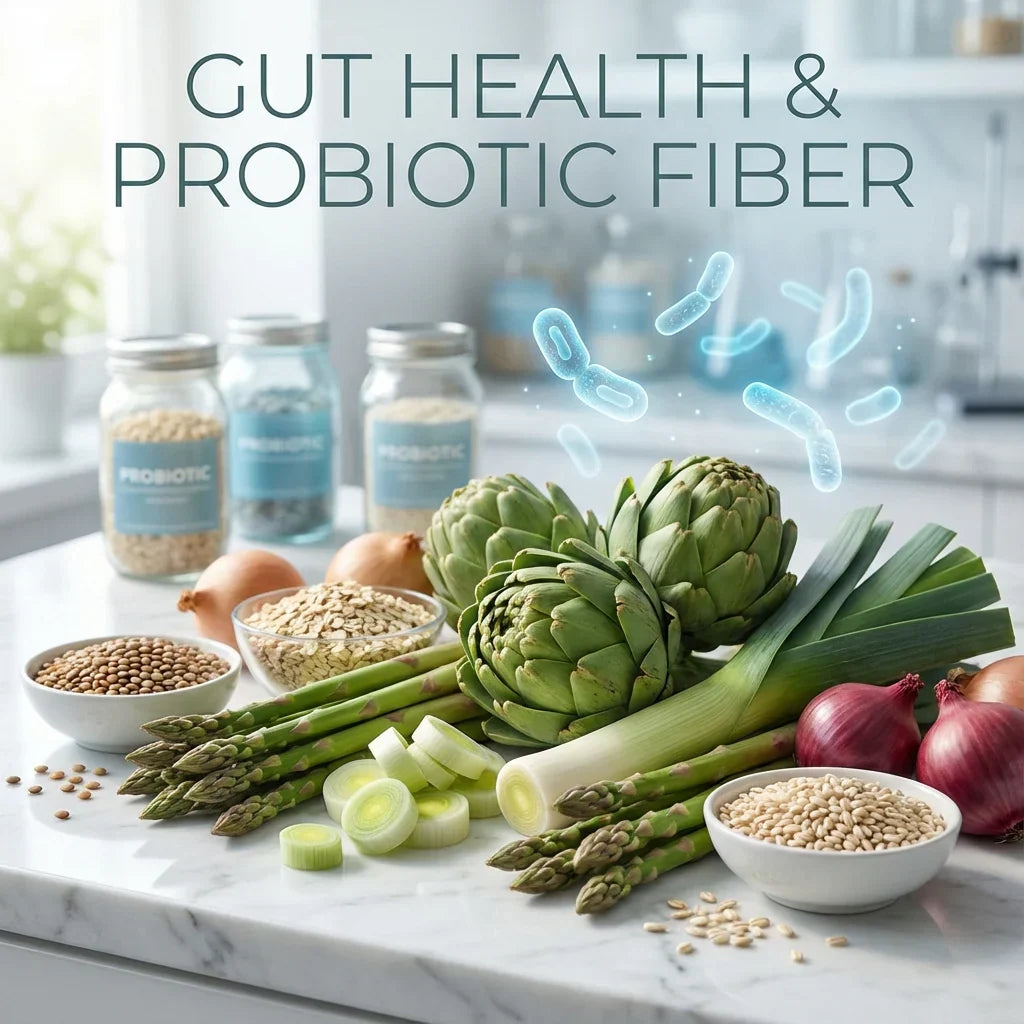
Whole foods containing inulin—chicory root, Jerusalem artichoke, garlic, onions, asparagus—provide additional nutrients beyond pure fiber. However, achieving clinically effective inulin doses (8-15g daily) through food alone requires intentional meal planning. One serving of Jerusalem artichoke provides approximately 2-3g inulin. Combining food-based fiber sources with concentrated supplements offers a balanced approach capturing benefits from both strategies.
Combining synbiotics with existing medications requires consideration of potential interactions. Probiotics may affect medication absorption when taken simultaneously. General guidance suggests spacing probiotic fiber supplements 2-3 hours apart from antibiotics, thyroid medications, or immunosuppressants. However, specific interaction potential varies by drug class—consult healthcare providers before starting any supplementation regimen if you take prescription medications regularly.
Monitoring your response provides valuable feedback for adjusting your approach. Keep brief notes tracking digestive symptoms, energy levels, and any changes in bowel patterns during the first 4 weeks. Positive signs include reduced bloating, more regular bowel movements, and improved post-meal energy stability. If symptoms worsen or show no improvement after 4-6 weeks of consistent use, consider trying different strain combinations or fiber sources—individual microbiome variations mean that not everyone responds identically to the same formulation.
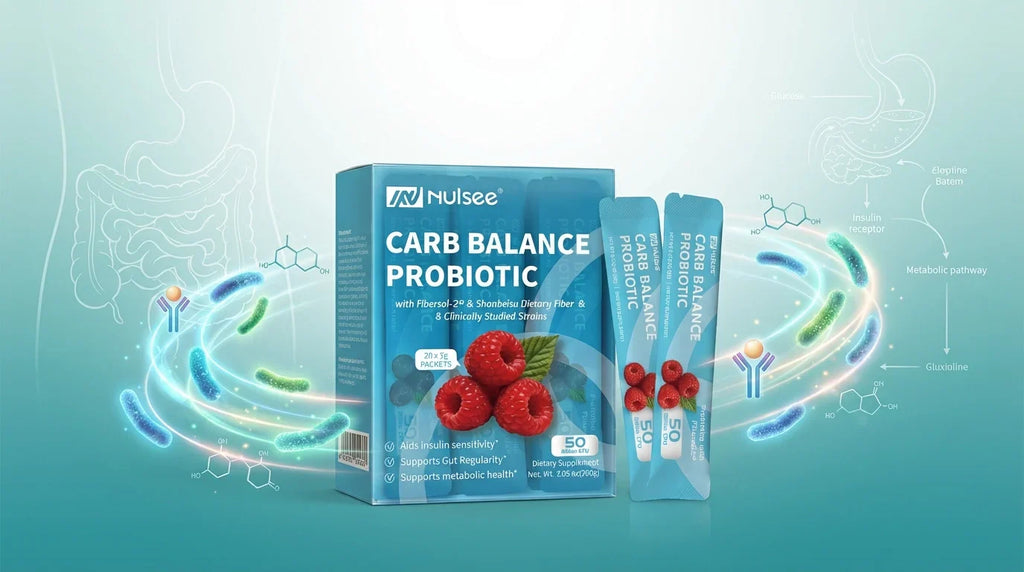
Key Takeaway: Successful probiotic fiber incorporation requires consistent daily use at appropriate doses (5-15g inulin with multi-strain probiotics), adequate hydration (8-10oz water per dose), and gradual introduction to minimize side effects. Timing flexibility allows integration into existing meal routines rather than demanding rigid schedules. Start with lower doses, monitor your individual response over 4-6 weeks, and adjust based on tolerance and outcomes. This practical approach mirrors successful clinical trial protocols while accommodating real-world lifestyle factors. For comprehensive daily support, metabolic formulas combining fiber and probiotics offer convenient delivery formats.
| Implementation Factor | Recommended Approach | Common Mistake to Avoid |
|---|---|---|
| Starting Dose | 5g inulin + probiotics daily | Starting with maximum doses causing discomfort |
| Timing | With meals for consistency | Skipping days or irregular use |
| Hydration | 8-10oz water per dose | Taking fiber without adequate fluids |
| Dose Escalation | Increase by 2-5g weekly | Rapid increases causing gas/bloating |
| Assessment Period | 4-6 weeks consistent use | Judging effectiveness after only 1 week |
Conclusion
The combination of inulin and probiotics addresses a fundamental challenge in gut health support: providing both beneficial organisms and their preferred fuel source simultaneously. Clinical research demonstrates that this synbiotic approach produces more consistent microbiome changes than either component alone, particularly for metabolic function and digestive comfort. You've learned how selective fermentation works, why multi-strain formulas offer functional advantages, and how to implement supplementation effectively in daily routines.
Your gut microbiome represents a complex ecosystem requiring thoughtful nourishment rather than random supplementation. The probiotic fiber strategy mirrors evidence-based nutritional science—matching specific bacterial strains with prebiotic substrates they metabolize efficiently. While individual responses vary based on baseline microbiome composition, the available evidence supports this approach for adults seeking digestive wellness and metabolic support.
We believe that informed supplementation choices empower better health outcomes. Understanding the mechanisms behind inulin-probiotic combinations helps you evaluate products critically rather than relying solely on marketing claims. As microbiome research advances, the relationship between dietary fibers and bacterial populations will likely reveal even more sophisticated applications for personalized nutrition approaches.
Ready to experience the benefits of strategic microbiome support? Whether you're addressing specific digestive concerns or optimizing metabolic health, combining inulin with researched probiotic strains offers a science-based starting point. For questions about implementing synbiotics into your wellness routine or to learn more about evidence-based gut health strategies, contact us today.
FAQ
Q1: Can I take inulin with probiotics if I have digestive sensitivity?
Yes, but start with lower doses (2-5g inulin daily) and increase gradually over 2-3 weeks. Most people with sensitive digestion tolerate synbiotics well when introduced slowly. Temporary gas during the first week represents normal microbiome adaptation rather than intolerance. If symptoms persist beyond 2 weeks, try shorter-chain prebiotics like FOS before abandoning the approach entirely.
Q2: What's the best time of day to take probiotic fiber supplements?
Morning with breakfast or evening with dinner both work effectively because consistency matters more than precise timing. Taking synbiotics with meals improves probiotic survival through gastric acid exposure. Choose whichever time you'll remember most reliably—establishing daily habits produces better results than perfect timing with inconsistent adherence.
Q3: How do I know if the inulin-probiotic combination is working?
Positive indicators include reduced bloating, more regular bowel movements (within 2-3 weeks), improved post-meal energy stability, and less digestive discomfort (within 3-4 weeks). Some people notice changes quickly while others require 4-6 weeks of consistent use. If you experience worsening symptoms or no improvement after 6 weeks, consider trying different bacterial strains or fiber sources suited to your individual microbiome.
Q4: Can inulin and probiotics help with weight management?
The evidence shows indirect metabolic support rather than direct weight loss effects. Synbiotics may improve glucose metabolism and reduce inflammation—factors that support overall metabolic health. However, they don't replace balanced nutrition and physical activity for weight management. Clinical studies show modest improvements in metabolic markers but typically don't demonstrate significant weight reduction as a primary outcome.
Q5: Should I cycle off probiotic fiber supplements periodically?
Current research doesn't support mandatory cycling for healthy individuals. Microbiome benefits require ongoing fiber intake from either supplements or whole food sources. However, some practitioners recommend occasional 1-2 week breaks every 3-6 months to assess whether improvements persist or symptoms return. This approach helps determine if continued supplementation remains necessary or if dietary changes have created sufficient microbiome support independently.
FDA Disclaimer: The statements in this article have not been evaluated by the Food and Drug Administration. Products containing soluble corn fiber are not intended to diagnose, treat, cure, or prevent any disease. Always consult with a healthcare professional before starting any new dietary supplement regimen.
References:
-
Holscher HD. Dietary fiber and prebiotics and the gastrointestinal microbiota. Gut Microbes. 2017;8(2):172-184. https://www.tandfonline.com/doi/full/10.1080/19490976.2017.1290756
-
Kassaian N, Feizi A, Aminorroaya A, Jafari P. The effects of probiotics and synbiotic supplementation on glucose and insulin metabolism in adults with prediabetes: a double-blind randomized clinical trial. Acta Diabetol. 2018;55(10):1019-1028. https://link.springer.com/article/10.1007/s00592-018-1175-2
-
Eslamparast T, Zamani F, Hekmatdoost A, et al. Effects of synbiotic supplementation on insulin resistance in subjects with the metabolic syndrome: a randomised, double-blind, placebo-controlled pilot study. Br J Nutr. 2014;112(3):438-445. https://www.cambridge.org/core/journals/british-journal-of-nutrition/article/effects-of-synbiotic-supplementation-on-insulin-resistance-in-subjects-with-the-metabolic-syndrome-a-randomised-doubleblind-placebocontrolled-pilot-study/A22D390EE747B91148544A3958698B00
-
Bindels LB, Delzenne NM, Cani PD, Walter J. Towards a more comprehensive concept for prebiotics. Nat Rev Gastroenterol Hepatol. 2015;12(5):303-310.
-
National Institutes of Health. Immunomodulatory effects of inulin and its intestinal metabolites. https://pmc.ncbi.nlm.nih.gov/articles/PMC10449545/
-
Kim YA, Keogh JB, Clifton PM. Probiotics, prebiotics, synbiotics and insulin sensitivity. Nutr Res Rev. 2018;31(1):35-51. https://www.cambridge.org/core/journals/nutrition-research-reviews/article/probiotics-prebiotics-synbiotics-and-insulin-sensitivity/0D03BC13BDA52A8A52F04CCBCCFD86DB
-
Stewart ML, Timm DA, Slavin JL. Fructooligosaccharides exhibit more rapid fermentation than long-chain inulin in an in vitro fermentation system. Nutr Res. 2008;28(5):329-334.
-
Holscher HD, Bauer LL, Gourineni V, et al. Agave inulin supplementation affects the fecal microbiota of healthy adults participating in a randomized, double-blind, placebo-controlled, crossover trial. J Nutr. 2015;145(9):2025-2032.
Related post

RECENT POSTS