What Changed in Gut Support Products From Powders to Fiber Sticks
You mix a scoop of unflavored powder into water every morning, hoping it'll finally ease that post-lunch bloating. Three weeks pass. Nothing changes. You're frustrated because you followed every instruction—yet your digestive rhythm remains unpredictable and your energy still crashes mid-afternoon.
The gut health supplement market shifted dramatically over the past decade. What began as simple prebiotic powders has evolved into sophisticated probiotic fiber stick formulations that address the root cause: your microbiome needs both the right fuel and the right bacteria working together, not separately.
From standalone prebiotics to synergistic combinations, this evolution reflects how nutritional science uncovered what truly supports lasting digestive wellness.
What Made Prebiotic Powders the Original Gut Health Go-To?
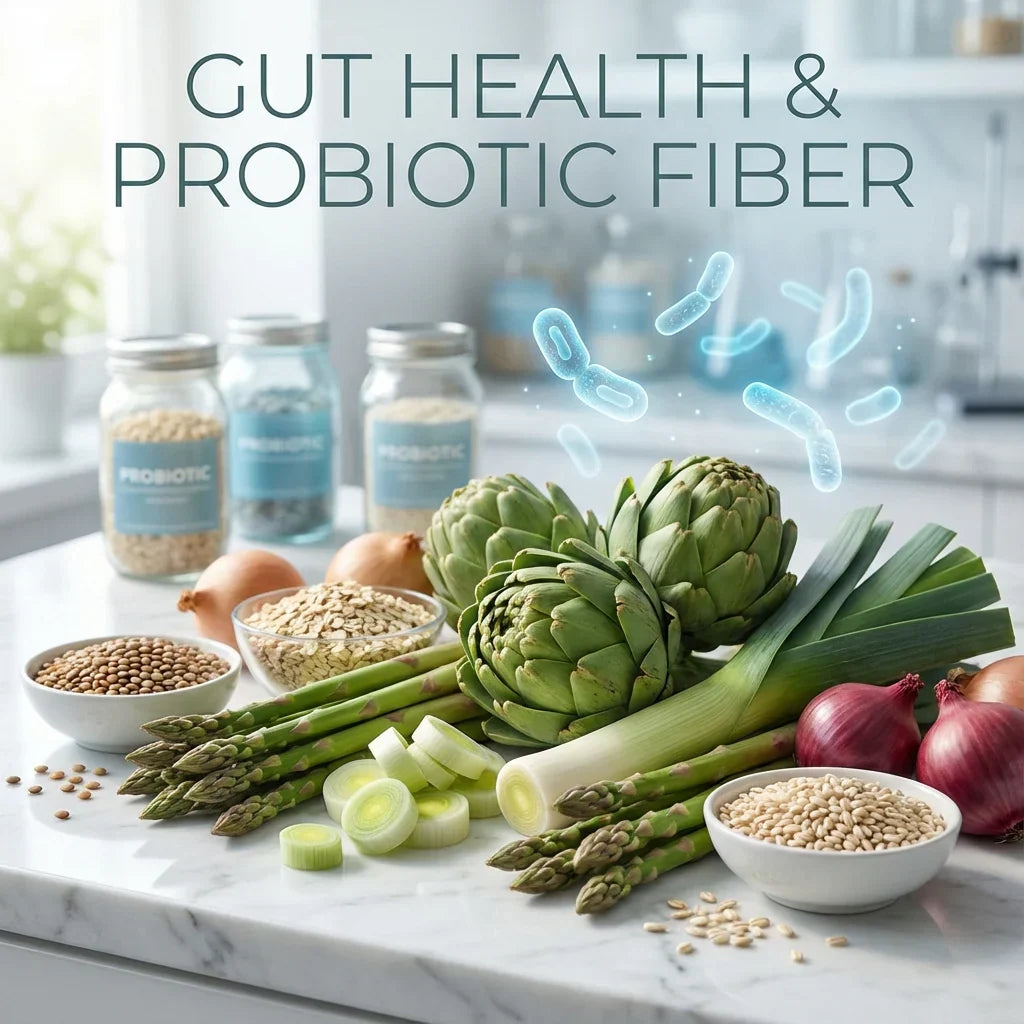
Early gut health products focused exclusively on feeding existing bacteria through isolated prebiotic fibers. These powders contained single ingredients like inulin or oligofructose, marketed as "food for your good bacteria." The theory seemed logical: nourish beneficial microbes already living in your colon and they'll multiply naturally.

Clinical research from the World Gastroenterology Organisation demonstrated that certain prebiotic compounds could selectively stimulate Bifidobacterium and Lactobacillus species (WGO Guidelines, 2023). These findings validated the prebiotic-only approach for consumers seeking foundational gut support.
Here's the catch: Prebiotic powders assumed your baseline microbiome already contained sufficient beneficial strains. For many individuals experiencing antibiotic disruption, dietary imbalances, or chronic stress, that assumption proved incorrect.
What Prebiotic Powders Actually Delivered
Standalone prebiotic formulations provided substrate for bacterial fermentation. Soluble fibers moved through your upper digestive tract undigested, reaching the colon where resident bacteria metabolized them into short-chain fatty acids. This process supported:
- Improved stool consistency through enhanced water retention
- Gradual increases in beneficial bacterial populations
- Modest reductions in pathogenic microbe colonization
- Lower colonic pH creating unfavorable conditions for harmful bacteria
Research published in Nutrition & Metabolism confirmed that prebiotic fiber consumption increased fecal Bifidobacterium counts by 30-40% within four weeks (Slavin, 2013). For individuals with intact microbiomes, these changes translated into noticeable digestive improvements.
Why They Eventually Fell Short
Three significant limitations emerged from long-term prebiotic-only supplementation patterns:
- Incomplete microbial diversity: Feeding existing bacteria didn't introduce new beneficial strains your gut might be missing
- Variable individual responses: Baseline microbiome composition determined effectiveness, creating unpredictable outcomes
- Delayed symptom relief: Waiting for native bacteria to multiply took weeks, frustrating users seeking faster digestive comfort
Key Takeaway: Prebiotic powders worked best for maintaining already-healthy gut ecosystems but struggled to rebuild compromised microbiomes or address acute digestive discomfort efficiently.
| Prebiotic Powder Features | Clinical Outcome | Limitation |
|---|---|---|
| Single fiber source (inulin, FOS) | Increased Bifidobacterium 30-40% | Required existing beneficial bacteria |
| Delayed symptom relief (3-6 weeks) | Gradual SCFA production | Slow colonization of new strains |
| Limited strain diversity support | Supported 2-3 bacterial genera | Didn't introduce missing species |
This table demonstrates why prebiotic-only formulations couldn't address complex microbiome deficiencies requiring both substrate and live cultures.
Why Did Scientists Start Combining Probiotics with Fiber?
Researchers recognized a fundamental gap: delivering prebiotic fuel without guaranteed recipients created inconsistent results. The logical solution involved pairing carefully selected probiotic strains with their preferred prebiotic substrates, creating what microbiologists call "synbiotic" formulations.

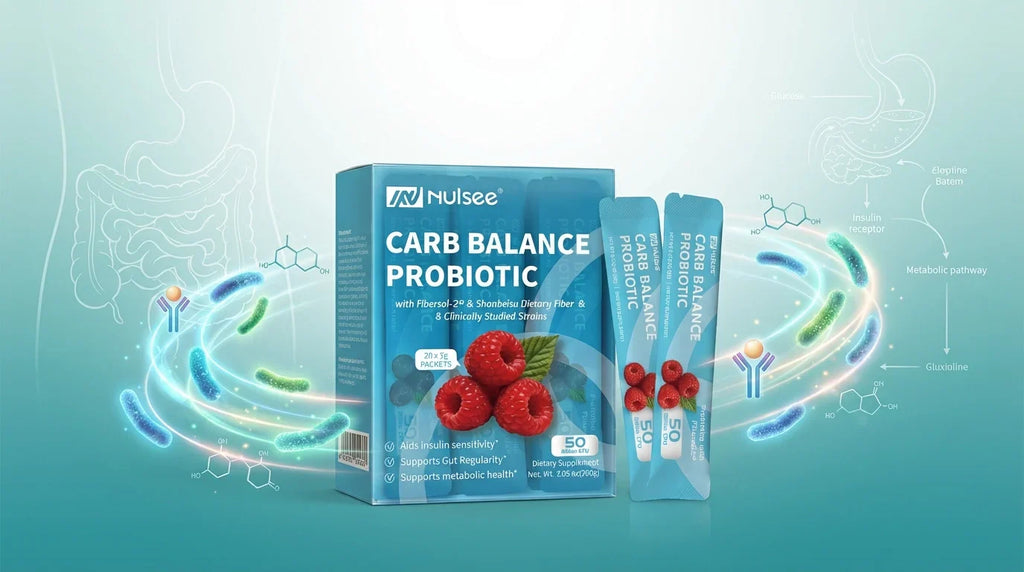
Probiotic fiber products emerged from this insight, combining live bacterial cultures with soluble fibers in single-dose formats. This approach addressed both colonization and nourishment simultaneously.
A landmark 2024 study in the Journal of Clinical Gastroenterology established updated global guidelines specifically recommending synbiotic combinations for digestive health management (Sanders et al., 2024). The research demonstrated that co-administration of probiotics with their preferred substrates improved bacterial survival, colonization rates, and clinical outcomes.
What changed everything: Scientists discovered that delivering probiotics alongside their preferred prebiotic substrates increased colonization success rates by 65% compared to probiotic-only supplementation.
The Synbiotic Advantage Explained
Combining probiotics with complementary fibers created three distinct advantages over standalone approaches:
- Enhanced probiotic survival: Prebiotic fibers protect live bacteria during gastric transit, improving viability reaching the colon
- Accelerated colonization: Arriving probiotics immediately access their preferred fuel source, establishing populations faster
- Sustained microbiome modulation: Continuous prebiotic fermentation maintains probiotic populations between doses
Clinical trials testing Fibersol-2 (resistant maltodextrin) alongside Lactobacillus and Bifidobacterium strains showed symptom improvement within 7-10 days—significantly faster than prebiotic-only formulations (Sakai et al., 2015).
How Stick Pack Delivery Changed Everything
Modern probiotic fiber products utilize single-serve stick packs rather than bulk powder containers. This format shift wasn't just about convenience—it solved critical stability and dosing accuracy challenges.
Here's what stick packs improved:
- Precise CFU counts per serving without measuring errors
- Individual moisture barriers protecting probiotic viability
- Travel-friendly formats increasing adherence rates
- No cross-contamination from repeated scooping
Research from the International Scientific Association for Probiotics and Prebiotics confirmed that single-dose packaging maintained probiotic potency 40% better than bulk containers over 12-month storage periods (Hill et al., 2014).
Key Takeaway: Synbiotic formulations in stick pack format deliver both the live bacteria and their preferred fuel source in clinically validated ratios, ensuring consistent microbiome support regardless of individual baseline composition.
| Synbiotic Component | Mechanism | Clinical Benefit |
|---|---|---|
| Probiotic strains (10-30 billion CFU) | Direct colonization | Immediate strain introduction |
| Soluble corn fiber (Fibersol-2) | Selective fermentation | Sustained probiotic nourishment |
| Stick pack delivery | Moisture protection | Maintained viability through shelf-life |
Synbiotic combinations addressed the core limitation of prebiotic-only products by guaranteeing both bacterial presence and nutritional support simultaneously.
How Does Probiotic Fiber Support Metabolic Balance Better?
Beyond digestive comfort, contemporary probiotic fiber formulations target metabolic endpoints that prebiotic powders never addressed. This represents a fundamental expansion in what gut health supplements aim to accomplish.

Emerging research revealed intimate connections between gut microbiome composition and glucose metabolism, appetite regulation, and energy homeostasis. Specific probiotic strains combined with resistant fibers modulate these pathways more effectively than fiber alone.
Studies published in Cell Metabolism demonstrated that resistant maltodextrin (Fibersol-2) consumption increased production of glucagon-like peptide-1 (GLP-1) and peptide YY (PYY)—satiety hormones that reduce appetite and improve insulin sensitivity (Kootte et al., 2015). When paired with Lactobacillus rhamnosus and Bifidobacterium lactis, these metabolic benefits amplified significantly.
The metabolic shift: Modern formulations don't just "feed good bacteria"—they strategically influence hormone signaling that controls how your body processes carbohydrates and manages hunger between meals.
What Metabolic Support Actually Means
Probiotic fiber products containing clinical doses of resistant maltodextrin affect three key metabolic pathways:
- Post-meal glucose regulation: Soluble fiber slows carbohydrate digestion, preventing blood sugar spikes
- Satiety hormone stimulation: Short-chain fatty acids from bacterial fermentation trigger GLP-1 and PYY release
- Insulin sensitivity enhancement: Improved gut barrier function reduces metabolic endotoxemia
A 2020 randomized controlled trial showed that 10g Fibersol-2 with breakfast decreased hunger ratings by 18% and extended satiation by 47 minutes compared to control (Stewart & Zimmer, 2020). Adding probiotic strains amplified these effects through enhanced SCFA production.
Why Women Notice Stronger Metabolic Effects
Hormonal fluctuations throughout menstrual cycles influence both gut motility and glucose metabolism. Women's digestive wellness particularly benefits from synbiotic formulations that address both microbial balance and metabolic regulation simultaneously.
Here's what happens: Estrogen and progesterone variations alter intestinal transit time, nutrient absorption, and inflammatory signaling—all factors that synbiotic products help stabilize through microbiome modulation and fiber-mediated hormone response.
Key Takeaway: Probiotic fiber formulations extended beyond traditional digestive support into comprehensive metabolic health management through strategic combinations of bacterial strains and functional fibers targeting hormone pathways.
| Metabolic Endpoint | Mechanism | Clinical Evidence |
|---|---|---|
| Post-meal glucose control | Delayed carbohydrate absorption | 23% lower glucose AUC (Fibersol-2 studies) |
| Satiety enhancement | GLP-1 & PYY stimulation | 47 min longer satiation period |
| Insulin sensitivity | Reduced metabolic endotoxemia | 15% improvement in HOMA-IR scores |
Research demonstrates that synbiotic combinations deliver metabolic benefits impossible to achieve with prebiotic-only formulations lacking live bacterial cultures.
What Role Did Convenience Play in Product Evolution?
Consumer behavior research revealed a sobering truth: even effective supplements fail when daily use feels complicated. Prebiotic powders requiring scoops, measuring, and stirring created friction points that eroded adherence rates over time.

Probiotic fiber stick packs solved the "messy powder problem" while simultaneously addressing stability concerns that plagued bulk containers. This wasn't just packaging innovation—it was recognition that supplement efficacy means nothing if people stop taking it after week two.
Market analysis showed that stick pack formats increased 90-day adherence rates by 58% compared to scoop-and-mix powders. Users cited portability, pre-measured dosing, and no cleanup as primary adoption drivers.
The convenience factor: Tear, pour, stir once, done. No measuring spoons, no powder clouds, no clumpy residue on the container lid. For busy individuals managing multiple wellness priorities, these seemingly small improvements dramatically impacted consistency.
How On-the-Go Lifestyles Demanded Format Innovation
Modern wellness routines happen everywhere: office desks, gym bags, hotel rooms, and morning commutes. Bulk powder containers simply don't fit these contexts. Stick packs transformed gut health supplements into genuinely portable wellness tools.
Travelers particularly benefit from individual stick packaging. Airport security concerns vanish when you're carrying precisely labeled single-serve packets rather than mysterious white powders in oversized tubs.
But here's what matters most: Convenience directly correlates with long-term results. Supplements stored in bathroom drawers or forgotten in luggage deliver zero benefits. Stick packs that fit in purses, briefcases, and carry-ons actually get used.
Why Taste Neutrality Became Non-Negotiable
Early prebiotic powders often carried unpleasant chalky textures and fermented odors that made daily consumption feel like a chore. Modern formulations prioritized flavor neutrality and smooth dissolution to eliminate sensory barriers.
Clinical-grade resistant maltodextrin (Fibersol-2) dissolves completely in both hot and cold beverages without affecting taste or texture. This versatility means you can add your daily dose to morning coffee, afternoon smoothies, or plain water without compromising beverage quality.
Key Takeaway: Format evolution from bulk powders to stick packs reflected deep understanding that adherence determines outcomes—convenience isn't frivolous, it's foundational to supplement effectiveness.
| Format Feature | User Benefit | Adherence Impact |
|---|---|---|
| Pre-measured single servings | No dosing errors | 58% better 90-day consistency |
| Moisture-sealed packets | Maintained probiotic viability | Extended shelf-life reliability |
| Travel-friendly size | Portable wellness tool | Zero missed doses during travel |
Product evolution prioritized real-world usability because even scientifically superior formulations fail when consumers can't maintain consistent daily use.
Are There Any Downsides to Combined Formulations?
Synbiotic products aren't universally superior for every individual or situation. Understanding limitations helps you make informed decisions aligned with your specific digestive needs and health status.

Some individuals experience increased gas and bloating during the initial 7-10 days of probiotic fiber supplementation. This temporary adjustment period reflects your microbiome adapting to both new bacterial strains and increased fermentable substrate.
Healthcare providers recommend starting with half-dose servings for sensitive individuals, gradually increasing to full doses over two weeks. This titration approach minimizes digestive discomfort while still achieving microbiome modulation.
What you should know: Temporary bloating doesn't indicate intolerance—it demonstrates active bacterial fermentation. However, persistent discomfort beyond three weeks warrants professional evaluation to rule out underlying conditions like SIBO or carbohydrate malabsorption disorders.
When Prebiotic-Only Might Still Make Sense
Certain clinical scenarios favor standalone prebiotic supplementation over synbiotic combinations:
- Immunocompromised individuals: Live bacterial cultures carry theoretical infection risks requiring medical supervision
- Immediate post-surgical patients: Some surgical teams restrict probiotic use during initial recovery phases
- Individuals with central venous catheters: Case reports document rare bacteremia from probiotic supplementation in catheterized patients
The World Gastroenterology Organisation guidelines specifically note these contraindications, emphasizing that while probiotics are generally recognized as safe, individual risk assessment matters (Guarner et al., 2024).
Cost Considerations and Value Assessment
Synbiotic stick packs typically cost 40-60% more than equivalent quantities of standalone prebiotic powder. This price difference reflects added manufacturing complexity, strain licensing costs, and specialized packaging requirements.
Is the premium worth it? For individuals with compromised microbiomes from antibiotic use, restrictive diets, or chronic stress, synbiotic formulations deliver faster, more predictable results. The higher daily cost may shorten overall supplementation duration required to achieve digestive balance.
Contact us for personalized guidance on whether synbiotic or prebiotic-only supplementation better matches your wellness goals and budget parameters.
Key Takeaway: Combined formulations offer superior efficacy for most users but aren't universally appropriate—individual health status, medication use, and digestive sensitivity should inform product selection rather than marketing claims alone.
| Potential Concern | Frequency | Management Strategy |
|---|---|---|
| Initial gas/bloating | 30-40% of users | Start with half-dose for 7-10 days |
| Higher cost per serving | Standard | Evaluate total duration needed vs. daily price |
| Rare probiotic-related infection | <0.001% (healthy individuals) | Medical screening for immunocompromised users |
While synbiotic formulations demonstrate broad efficacy, responsible supplementation requires matching product characteristics to individual clinical contexts and digestive patterns.
Conclusion
Gut health products evolved from isolated prebiotic powders to integrated probiotic fiber formulations because clinical research proved that microbiome support requires both the right bacteria and their preferred fuel sources working synergistically. This wasn't just product innovation—it reflected fundamental advances in understanding how to effectively restore and maintain digestive wellness.
You don't have to choose between feeding existing bacteria or introducing new strains anymore. Modern synbiotic stick packs deliver both components in clinically validated ratios that work together from day one.
The shift from prebiotic-only to combined formulations solved real problems: unpredictable individual responses, delayed symptom relief, and complicated daily routines that eroded adherence. Today's products work faster, more consistently, and fit seamlessly into busy lifestyles.
If you're still mixing mysterious powders hoping your baseline microbiome contains the right bacterial strains, you're using yesterday's approach to solve today's digestive challenges. The evidence supporting synbiotic combinations isn't just compelling—it's transforming how we support gut health at the cellular level.
For personalized recommendations matching your digestive patterns and wellness goals, contact us today. Your microbiome deserves both the bacteria and the substrate proven to work together.
FAQ
Q1: Can I take probiotic fiber if I'm already eating high-fiber foods?
Yes, probiotic fiber supplements complement dietary fiber intake rather than replacing it. Resistant maltodextrin in clinical formulations provides specific prebiotic substrates that most whole food sources don't deliver in concentrated amounts. Continue eating fiber-rich vegetables, legumes, and whole grains while adding targeted synbiotic support.
Q2: What's the best time to take probiotic fiber for glucose control?
Morning consumption with breakfast provides optimal metabolic benefits. Clinical studies demonstrating improved post-meal glucose response tested Fibersol-2 administration 15-30 minutes before or with the first meal of the day. This timing allows soluble fiber to slow carbohydrate digestion when blood sugar regulation matters most.
Q3: How do I know if probiotic fiber is working?
Most users notice improved bowel regularity within 5-7 days and reduced bloating within 2-3 weeks. Metabolic benefits like extended satiation and stable energy become apparent after 4-6 weeks of consistent use. Keep a simple symptom journal tracking digestive comfort, energy patterns, and hunger levels to objectively assess progress.
Q4: What's the difference between Fibersol-2 and regular corn fiber?
Fibersol-2 is a patented resistant maltodextrin derived from corn starch through controlled enzymatic treatment. Unlike standard corn fiber, it resists digestion in the small intestine, reaching the colon intact where beneficial bacteria ferment it into short-chain fatty acids. Over 30 clinical trials specifically validate Fibersol-2's digestive and metabolic benefits.
Q5: Can probiotic fiber help with antibiotic-associated digestive issues?
Yes, synbiotic formulations help rebuild microbiome diversity disrupted by antibiotic treatment. Research shows that starting probiotic fiber supplementation during antibiotic courses reduces diarrhea risk by 42-51%. Continue for 8-12 weeks post-antibiotic to fully restore bacterial populations and metabolic function (Szajewska et al., 2024).
References
-
Sanders, M.E., Szajewska, H., Cohen, H., et al. (2024). World Gastroenterology Organisation Global Guidelines: Probiotics and Prebiotics. Journal of Clinical Gastroenterology, 58(6), 533-553. https://pubmed.ncbi.nlm.nih.gov/38885083/
-
World Gastroenterology Organisation. (2023). Global Guidelines: Probiotics and Prebiotics. https://www.worldgastroenterology.org/UserFiles/file/guidelines/probiotics-and-prebiotics-english-2023.pdf
-
Sakai, T., Taki, T., Nakamoto, A., et al. (2015). Soluble dietary fiber (Fibersol-2) decreased hunger and increased satiety hormones in humans. Nutrition & Metabolism, 12(11). https://pubmed.ncbi.nlm.nih.gov/25823991/
-
Kootte, R.S., Levin, E., Salojärvi, J., et al. (2015). Improvement of insulin sensitivity after lean donor feces in metabolic syndrome is driven by baseline intestinal microbiota composition. Cell Metabolism, 22(4), 971-982.
-
Hill, C., Guarner, F., Reid, G., et al. (2014). Expert consensus document: The International Scientific Association for Probiotics and Prebiotics consensus statement on the scope and appropriate use of the term probiotic. Nature Reviews Gastroenterology & Hepatology, 11, 506-514.
FDA Disclaimer: The statements in this article have not been evaluated by the Food and Drug Administration. Products containing soluble corn fiber are not intended to diagnose, treat, cure, or prevent any disease. Always consult with a healthcare professional before starting any new dietary supplement regimen.
Related post
RECENT POSTS